
WHO Chief Alarmed as Ebola Deaths Surge in DRC

WHO Director-General Tedros Adhanom Ghebreyesus expresses deep concern over rapidly spreading Ebola outbreak in Democratic Republic of Congo with 130 deaths.
The director general of the World Health Organization has issued a stark warning about the escalating Ebola outbreak in the Democratic Republic of the Congo, expressing profound concern over both the scale and rapid progression of the crisis. Dr Tedros Adhanom Ghebreyesus, speaking ahead of an emergency meeting to address the growing health emergency, highlighted the alarming statistics that underscore the severity of the situation affecting millions of people across the region.
According to the WHO chief, the Ebola epidemic has reached catastrophic proportions with at least 500 suspected cases documented since the outbreak's initial emergence. Most disturbingly, the organization has recorded approximately 130 suspected deaths linked to the virus, marking one of the most serious disease emergencies facing the African continent in recent years. These figures represent a significant threat not only to the Democratic Republic of the Congo but to the broader international community, prompting urgent calls for coordinated global response efforts.
The outbreak's geographic footprint has expanded beyond initial containment areas, with thirty confirmed cases identified in DRC's north-eastern province of Ituri, a region already grappling with significant humanitarian challenges and security concerns. The virus's ability to spread across provincial boundaries underscores the difficulty in managing disease transmission in regions with limited healthcare infrastructure and ongoing conflict. Authorities have intensified monitoring and contact tracing operations to prevent further dissemination.
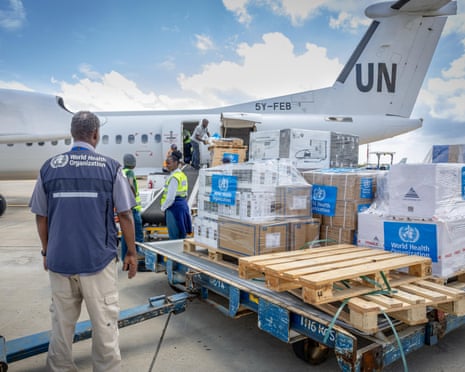
The international dimensions of the crisis became evident when health officials confirmed cases beyond DRC's borders. One confirmed death and one laboratory-confirmed case were reported in Kampala, Uganda, signaling the virus's capacity to cross international boundaries and establish itself in neighboring populations. This transnational spread has prompted heightened vigilance across the East African region, with health ministries implementing enhanced screening protocols at border crossings and airports.
Perhaps most concerning for Western nations, the WHO reported that one US citizen has tested positive for the virus and has been transferred to Germany for specialized medical treatment. This case represents the first confirmed instance of the virus reaching American soil during this particular outbreak, elevating the profile of the crisis in developed nations and intensifying international attention on containment measures and epidemiological responses.
The DRC Ebola crisis represents a complex public health challenge compounded by multiple overlapping challenges. The country's fragile healthcare system, limited laboratory capacity, and the presence of active armed conflict in affected regions have significantly hampered response efforts. Additionally, vaccine supply chains, treatment availability, and the ability to conduct effective disease surveillance have all been constrained by logistical and financial limitations that plague the nation's health infrastructure.
The Ituri province, where the majority of confirmed cases are concentrated, presents particularly acute challenges for outbreak management and epidemic control. The region's volatile security situation has created an environment where healthcare workers face threats, communities harbor skepticism toward medical interventions, and population movement continues despite public health advisories. These factors have historically complicated efforts to contain viral outbreaks and have contributed to prolonged disease transmission chains.
Dr Ghebreyesus's characterization of the situation as deeply concerning reflects the WHO's assessment that this outbreak possesses the potential to evolve into a major regional health catastrophe without sustained international support and rapid intervention. The organization has been instrumental in coordinating response efforts, including epidemiological investigation, contact tracing, isolation of confirmed cases, and vaccination campaigns targeting at-risk populations in affected and neighboring areas.
The emergency meeting convened by WHO leadership was designed to mobilize resources, align response strategies, and secure commitments from member states and international partners. Such high-level engagement signals the recognized gravity of the situation and the need for coordinated action spanning multiple nations, international health bodies, and humanitarian organizations working toward common objectives of disease containment and prevention of further spread.
The Ebola virus remains one of the most deadly pathogens known to science, with fatality rates historically ranging from 25 to 90 percent depending on the strain and quality of medical care available. The virus spreads through direct contact with blood or body fluids of infected individuals, as well as through contact with surfaces or materials contaminated by these fluids. Healthcare workers and family members caring for patients without proper protective equipment face disproportionately high infection risks.
Previous Ebola outbreaks in the DRC have demonstrated both the virus's capacity for devastation and the possibility of controlling spread through comprehensive public health interventions. The 2018-2020 outbreak in eastern DRC, which claimed over 2,200 lives, illustrated the critical importance of community engagement, transparent communication, healthcare worker protection, and sustained international support in managing such crises effectively and preventing progression to pandemic-level threats.
The current outbreak adds significant urgency to long-standing calls for strengthened health systems across Central Africa, including investments in diagnostic capacity, healthcare infrastructure, and trained epidemiological personnel. International health experts emphasize that building resilient disease surveillance networks and pandemic preparedness systems in vulnerable regions represents essential investments for global health security and the prevention of future outbreaks from reaching catastrophic scales.
Source: The Guardian


