
RFK Jr. Withdraws CDC Vaccine Panel Charter Amid Administrative Error

Health Department withdraws revised CDC vaccine advisory committee charter following administrative issues. The controversial changes would have allowed anti-vaccine appointees.
The Health Department has officially withdrawn a revised charter document for the Centers for Disease Control and Prevention's highly influential vaccine advisory committee, citing administrative errors as the reason for the withdrawal. This decision came following the publication of a formal notice in the Federal Register on Tuesday, marking a significant development in ongoing disputes over the governance and composition of one of the nation's most critical public health advisory bodies. The withdrawal represents a setback for those who sought to fundamentally reshape how vaccine policy recommendations are developed at the federal level.
The controversial charter revisions had been introduced under the direction of anti-vaccine Health Secretary Robert F. Kennedy Jr., who has made significant changes to CDC leadership and policy since taking office. These proposed modifications would have substantially altered the composition and mandate of the Advisory Committee on Immunization Practices, commonly known as ACIP, by allowing Kennedy to appoint individuals with questionable credentials and well-documented anti-vaccine positions to serve on the committee. The changes would have fundamentally shifted the committee's focus away from evidence-based vaccine safety monitoring toward investigating alleged vaccine injuries and potential risks, many of which lack scientific support.
Beyond merely changing the committee's composition, the revised charter would have formally welcomed fringe groups and established anti-vaccine organizations to participate in the process of developing federal vaccine policy. This radical departure from the committee's traditional evidence-based approach raised serious concerns among medical professionals, public health experts, and scientific organizations who worried about the integrity of vaccine recommendations that reach millions of Americans. The charter modifications represented an unprecedented attempt to institutionalize anti-vaccine ideology within a government agency responsible for protecting public health.
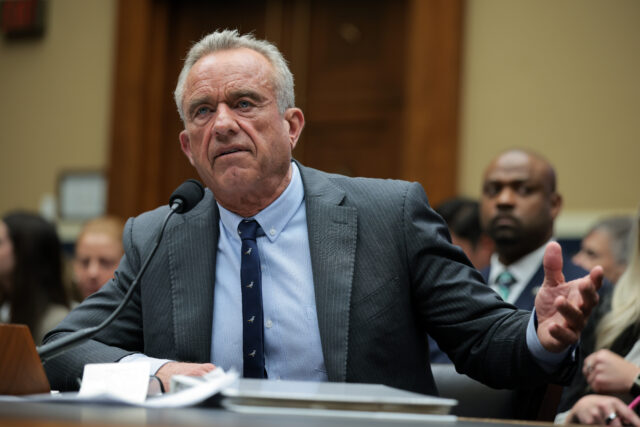
Kennedy's efforts to reshape the CDC panel formed part of a broader pattern of attempts to undermine and restructure the organization, according to public health officials and expert observers. Since his appointment, Kennedy has made numerous controversial decisions affecting CDC operations, personnel, and policy direction, drawing criticism from within the agency and from the broader medical community. These actions have not occurred in a vacuum but rather represent a systematic effort to redirect the agency's priorities and influence the scientific consensus on vaccination.
The withdrawal of the charter came amid legal pressure, as a court order had previously been issued requiring the Health Department to undo previous meddling with the committee's operations and governance structures. This judicial intervention underscored the legal vulnerabilities of Kennedy's approach and the concerns of various stakeholders about the constitutionality and appropriateness of the proposed changes. The court's involvement indicated that judicial authorities had serious questions about whether the revisions complied with federal administrative law and public health regulations.
The ACIP committee serves as the primary advisory body that provides recommendations to the CDC and the broader healthcare system regarding vaccination schedules, new vaccines, and vaccine safety protocols. These recommendations carry enormous weight in American medicine, influencing vaccination policies at state and local health departments, informing healthcare provider practices, and ultimately affecting the health decisions of millions of Americans. The integrity and scientific credibility of this committee are therefore essential to maintaining public trust in vaccine programs and ensuring optimal population health outcomes.
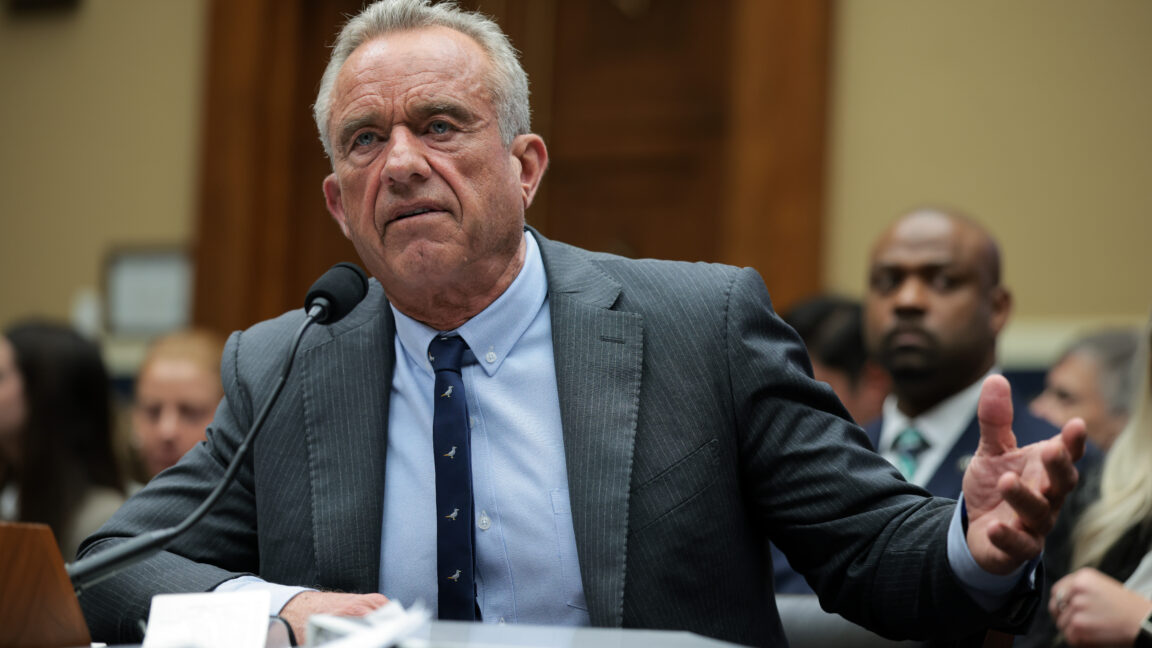
Throughout his tenure, Kennedy has been vocal in promoting vaccine skepticism and has questioned the safety profile of the current vaccine schedule, positions that stand in stark contrast to the overwhelming scientific consensus supporting vaccine safety and efficacy. His appointment as Health Secretary raised immediate concerns among medical organizations, including the American Medical Association and numerous infectious disease specialists who questioned whether someone with his documented views could effectively oversee vaccine policy. The proposed charter changes appeared to validate these concerns by formally incorporating anti-vaccine perspectives into federal vaccine policy development.
The administrative error cited in the withdrawal notice has not been publicly detailed in full, though sources suggest the error may have involved procedural violations in how the charter revision was processed through federal administrative channels. Such errors, while sometimes presented as merely technical matters, can have significant legal implications when they affect the validity of government actions. The withdrawal, rather than simply correcting the error and resubmitting the charter, suggests that the Health Department may have determined the proposed changes faced substantial legal and political obstacles to approval.
Public health advocates and medical professionals have expressed cautious optimism about the withdrawal, viewing it as a temporary victory for evidence-based vaccine policy. However, many remain concerned that this may represent only a temporary setback rather than a permanent abandonment of efforts to reshape vaccine policy in ways that prioritize anti-vaccine ideology over scientific evidence. The broader struggle over the direction of federal vaccine safety initiatives and immunization recommendations appears likely to continue in various forms and through different mechanisms.

The incident highlights the ongoing tensions between the Trump administration's skepticism toward established public health institutions and the scientific community's commitment to evidence-based policy. These tensions have manifested repeatedly since Kennedy's appointment, as various health agencies have had to navigate between political directives and professional responsibility to base recommendations on scientific evidence. The clash between ideology and science in this case has implications extending far beyond vaccine policy, potentially affecting how federal health agencies approach other scientific and medical questions.
Moving forward, the status of vaccine advisory committee governance remains uncertain, with questions about whether additional attempts will be made to revise the charter through different procedural mechanisms or legal arguments. The withdrawal of this particular charter may not prevent future efforts to reshape committee composition or mandate, and observers anticipate that the broader battle over vaccine policy direction will likely continue in some form. The outcome of these ongoing disputes will likely have significant consequences for how public health recommendations are developed and communicated to the American public in the years ahead.
Source: Ars Technica


