
Wes Streeting Steps Down as Health Secretary

UK Health Secretary Wes Streeting resigns from government role. Read his full resignation letter and analysis of this significant political development.
Wes Streeting, the UK's Health Secretary, has formally announced his resignation from his government position, marking a significant shift in the nation's healthcare leadership. In a carefully crafted resignation letter, Streeting articulated his reasoning for stepping away from one of the country's most demanding cabinet roles, citing the substantial challenges facing the nation and his assessment of the current political landscape.
The departure of such a high-profile health minister comes at a critical juncture for the National Health Service, which continues to grapple with unprecedented pressures including extended waiting lists, staffing shortages, and mounting financial constraints. Streeting's resignation letter emphasizes his intimate understanding of governmental responsibility, noting that "governing is hard. It should be, because it matters." This acknowledgment underscores the gravity with which he approaches his decision to relinquish his position.
Throughout his tenure as Health Secretary, Streeting has been tasked with navigating some of the most pressing healthcare issues confronting modern Britain. The NHS crisis has dominated headlines for months, with patient safety concerns, industrial disputes with medical staff, and questions about the sustainability of current healthcare delivery models creating an increasingly complex environment for policy-making.
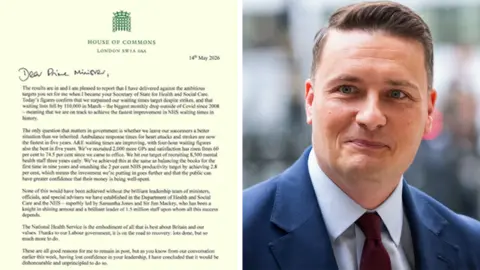
In his resignation correspondence, Streeting addresses the numerous challenges that characterize contemporary British governance. The health secretary acknowledges that the country faces "enormous challenges," a statement that reflects the multifaceted nature of modern policy-making spanning economic uncertainty, social fragmentation, and institutional strain. His decision to step down suggests a personal assessment that continued involvement may not be the most effective path forward for either himself or the government.
The resignation letter provides significant insight into Streeting's perspective on his role and responsibilities. Rather than launching into criticism of government policy or his colleagues, the letter maintains a dignified tone while making clear that his departure is a deliberate choice made after careful consideration. This approach stands in contrast to some high-profile ministerial resignations that have occurred in recent years.
The timing of this resignation carries particular weight within the broader context of the current government's agenda. Healthcare reform and NHS restructuring have been central to recent policy discussions, with proposals for significant changes to healthcare delivery facing both public and professional scrutiny. The departure of the Health Secretary at this moment raises questions about the future direction of these initiatives and who will shepherd them through implementation.
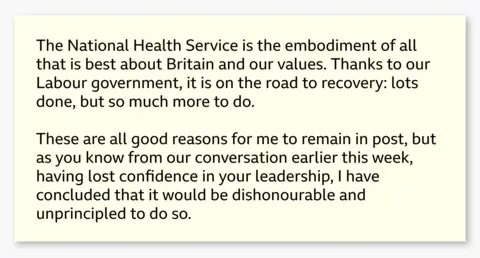
Streeting's background as a Labour politician and his previous roles within the party machinery equipped him with extensive experience in health policy discussions. His ascension to the Health Secretary position represented a significant responsibility, placing him at the forefront of efforts to address the systemic challenges afflicting the NHS. The minister has been involved in numerous policy announcements and strategic decisions aimed at improving healthcare outcomes across the nation.
The government leadership will now need to determine how to proceed with the health portfolio during what remains a transitional period. Identifying a successor with comparable experience and political standing will be crucial for maintaining continuity in health policy and sustaining public confidence in the government's commitment to healthcare improvement. This succession also raises broader questions about the administration's stability and strategic direction.
Industry observers and political analysts have begun assessing what Streeting's departure might signal about the current state of UK government dynamics. The resignation comes as the administration continues to manage various policy initiatives and respond to constituent demands across multiple sectors. Healthcare, however, remains one of the most visible and politically sensitive portfolios within any British government.
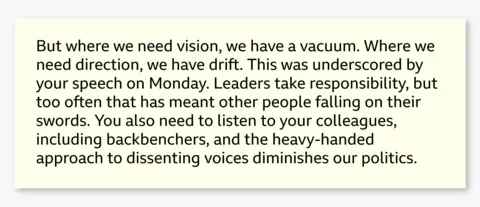
The NHS and healthcare workers themselves are likely to regard this development with mixed emotions. While some may view the resignation as creating space for a different approach to healthcare governance, others may be concerned about the potential for disruption during critical periods of reform and restructuring. Staff across the health service have been vocal about their concerns regarding working conditions, pay, and resource allocation.
Streeting's tenure as Health Secretary has been marked by attempts to address several interconnected challenges: reducing patient waiting times, improving mental health services, addressing healthcare worker burnout, and developing sustainable funding models for the future. These complex issues require sustained attention and political will, making the transition in leadership a significant development that could impact the trajectory of these initiatives.
The broader implications of this political resignation extend beyond health policy alone. Governmental stability and ministerial retention have been topics of considerable discussion in recent years, with questions about whether current roles and responsibilities are sustainable given modern pressures. Streeting's decision to step down invites reflection on these systemic questions within British politics and governance structures.
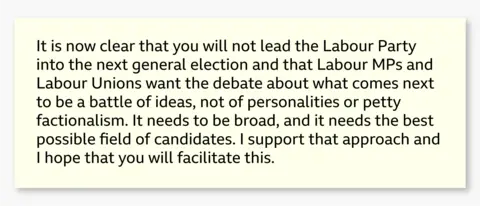
Looking ahead, the process of identifying and appointing a new Health Secretary will unfold according to established governmental procedures. The incoming minister will inherit not only Streeting's portfolio but also his pending initiatives, policy commitments, and relationships with NHS leadership, medical unions, and healthcare advocacy organizations. The seamlessness of this transition may significantly influence the government's ability to maintain momentum on healthcare reform.
This resignation represents another chapter in the ongoing narrative of contemporary British politics, where managing competing demands and maintaining governmental cohesion present constant challenges. Whether additional resignations or leadership changes follow remains to be seen, but Streeting's departure has certainly captured attention and sparked important conversations about governance, healthcare, and the demands placed upon those in senior political positions.
Source: BBC News


