
Burnham Clears First Hurdle on Westminster Path

Andy Burnham overcomes major obstacle in parliamentary ambitions. Explore his journey toward No. 10 and the challenges that remain ahead.
After weeks of mounting pressure and speculation, Andy Burnham has finally navigated past a significant hurdle that threatened to derail his long-standing ambitions for the highest office. The northern mayor, whose political trajectory has been marked by both triumph and disappointment, has managed to secure his footing on what many observers acknowledge is merely the first step in an arduous journey toward Westminster leadership and potential residence at No. 10.
For an extended period, Team Burnham maintained a carefully orchestrated message to members of parliament across the country, urging them to "hold the line" and remain steadfast in their support. His strategists repeatedly assured key political figures that the Manchester-based politician had his sights firmly set on securing a parliamentary seat and would emerge as a credible contender should any leadership contest materialize within his party. However, this narrative proved to be only a partial rendering of the broader reality facing Burnham and his political operation.
The reality of his situation presents a considerably more complex picture than the optimistic messaging from his inner circle suggested. Burnham's historical record reveals a politician who has confronted repeated setbacks and obstacles throughout his career. His pursuit of the nation's top job has proven frustratingly elusive, marked by multiple failed attempts and missed opportunities that have accumulated over several years of political maneuvering.

Among the most significant barriers in Burnham's path stands his troubled history with parliamentary representation. In previous attempts to return to parliament, particularly through the constituencies of Gorton and Denton, he encountered formidable obstacles that effectively blocked his reentry into the House of Commons. These setbacks represented not merely personal disappointments but genuine threats to his broader political viability and his capacity to mount a credible national campaign.
The situation has been further complicated by growing frustration among a considerable number of MPs in the north west, several of whom have spent considerable time managing speculation about their parliamentary futures. These members of parliament found themselves repeatedly fielding inquiries, suggestions, and outright pressure regarding whether they might be persuaded to vacate their seats in order to facilitate Burnham's return to parliament. Such persistent speculation created palpable tension within regional political circles and tested party solidarity in the region.
Throughout this protracted period of uncertainty, Burnham's political operation had to work assiduously to maintain the fiction that his pathway to Westminster was both assured and imminent. The carefully crafted public messaging that emanated from his supporters suggested a level of inevitability about his return to parliament that belied the genuine difficulties his camp was experiencing behind closed doors. This gap between public assertion and private reality highlighted the precarious nature of his political position.
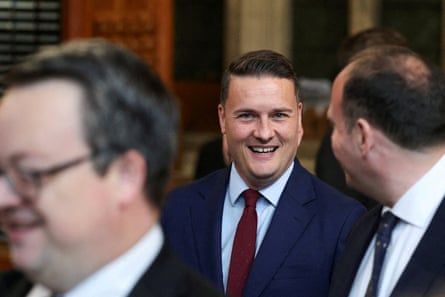
The successful navigation of this first hurdle represents something of a vindication for those who had maintained faith in Burnham's ability to overcome the obstacles arrayed before him. Yet political observers and analysts were quick to emphasize that clearing this initial barrier should not be mistaken for a comprehensive resolution of his difficulties. Rather, they stressed that this development constitutes merely the opening chapter in what promises to be an extended and challenging journey toward the corridors of national power.
The broader context of Labour party politics and internal dynamics has shifted considerably since Burnham first harbored serious ambitions for the party leadership. The competitive landscape within Labour has evolved, with other figures rising to prominence and establishing their own claims on various party positions and future opportunities. This shifting environment means that even with successful navigation of current obstacles, Burnham will need to navigate an increasingly complex political terrain.
His experience as a northern mayor has provided him with a distinctive platform and narrative within party politics, but it remains unclear whether this regional credential will prove sufficient to overcome the resistance of other senior party figures and competing factions. The devolved nature of his current position, while prestigious and substantive, also creates a certain distance from the daily machinations of Westminster and the relationships that might prove crucial in any future leadership contest.

The question that animated much of the recent speculation surrounding Burnham's prospects concerns whether the political capital he has built through his mayoral work and his efforts to champion regional interests can be effectively translated into national political leverage. His supporters argue that his track record demonstrates both substantial achievement and a commitment to representing areas beyond the traditional southern powerbrokers. Critics, however, suggest that his checkered history in pursuit of higher office suggests fundamental limitations in his broader political appeal.
Looking forward, Burnham and his team face the considerable challenge of consolidating this initial victory while simultaneously working to address the underlying skepticism and resistance that has characterized much of the response to his ambitions. The weeks and months ahead will likely prove revealing regarding the true depth of support he can muster among his parliamentary colleagues and within the broader party membership. What remains certain is that despite clearing one significant hurdle, his journey toward No. 10 remains strewn with additional obstacles and challenges that will test both his political acumen and his determination to reach the highest office in the land.
Source: The Guardian


