
UK Secures £3.7bn Gulf Trade Deal After 4 Years

Keir Starmer announces major trade agreement with six Gulf states worth double initial estimates, marking significant win for British exporters and businesses.
Prime Minister Keir Starmer has successfully negotiated a landmark trade deal with six Gulf states that represents a substantial breakthrough for the British economy. The agreement, which concludes an intensive four-year negotiation process involving four different prime ministers, demonstrates the UK's commitment to strengthening economic ties in one of the world's most dynamic regions. Starmer has publicly celebrated the achievement as a transformative outcome for British businesses seeking to expand their international footprint.
The comprehensive trade agreement delivers £3.7 billion in commercial opportunities for UK exporters—a figure that remarkably doubles the initial estimates that were projected when negotiations first began. This expansion reflects the depth and breadth of the final agreement, which goes far beyond what government officials and business leaders initially anticipated when talks commenced in the early 2020s. The doubling of projected value underscores the negotiating team's success in securing favorable terms across multiple sectors.
British companies operating in the food and beverage sector stand to benefit significantly from the new market access provisions included in the agreement. The Gulf region, characterized by high purchasing power and growing demand for premium imported products, presents substantial opportunities for UK agricultural exporters and food manufacturers. Additionally, the luxury automobile industry will gain preferential access to these wealthy markets, where demand for high-end vehicles continues to remain robust and consistent.
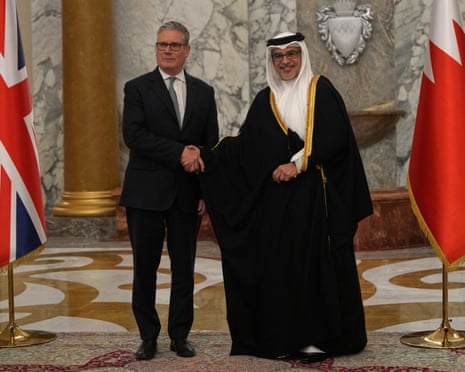
Beyond traditional goods, the agreement encompasses substantial provisions for defence and aerospace sectors, which have historically represented important pillars of British industrial strength and technological expertise. These industries will benefit from enhanced cooperation frameworks that facilitate technology transfer, joint ventures, and procurement opportunities across the Gulf region. The inclusion of defence and aerospace demonstrates that the agreement reflects strategic national interests alongside purely commercial considerations.
The hospitality and services sectors also feature prominently in the negotiated framework, opening pathways for British tourism operators, hotel groups, and professional service providers to establish and expand operations throughout the six Gulf states. Financial services, management consulting, and architectural firms will find improved conditions for market entry and operation. This diversification across service industries ensures that the benefits of the agreement extend beyond manufacturing and primary industries.
The four-year negotiation timeline reflects the complexity of coordinating trade agreements involving multiple sovereign nations with differing regulatory frameworks and commercial priorities. The fact that four successive prime ministers oversaw portions of this negotiation demonstrates the long-term commitment required for such substantial international agreements. Continuity of purpose across different administrations proved crucial to achieving a successful outcome.
The Gulf trade agreement arrives at a particularly significant moment for British trade policy following the country's departure from the European Union. The government has prioritized establishing new bilateral and regional trade relationships to diversify export markets and reduce economic dependence on any single trading partner. This agreement with Gulf states represents a concrete manifestation of that strategic pivot toward new market opportunities.
Government officials emphasize that the agreement includes provisions designed to facilitate regulatory alignment and reduce tariff barriers that previously hindered bilateral commerce. Certification processes for British products have been streamlined, reducing compliance costs and accelerating market entry timelines for exporters. These technical improvements create practical benefits that complement the headline figures regarding commercial opportunities.
The timing of this agreement also reflects broader geopolitical considerations regarding UK engagement with the Middle East region. As global economic patterns continue to shift, with increasing wealth concentration in Gulf states, establishing robust commercial frameworks positions Britain to capture a growing share of regional purchasing power. The agreement signals British commitment to sustained engagement in this strategically important part of the world.
Business leaders across various sectors have responded positively to the announcement, recognizing that enhanced market access to six wealthy Gulf nations creates tangible opportunities for growth and expansion. Trade associations representing automotive, agricultural, and aerospace interests have publicly endorsed the agreement terms. Industry representatives note that the doubled value projection reflects genuine additional commercial potential rather than inflated projections.
The £3.7bn opportunity value encompasses potential trade flows across multiple years, representing the cumulative benefit of enhanced market access, reduced barriers, and improved commercial frameworks. This projection takes into account anticipated increases in bilateral trade volumes as companies adjust supply chains and establish distribution networks optimized for Gulf market conditions. Conservative estimates suggest these projections represent achievable growth targets based on comparable trade relationships.
Looking forward, the agreement may serve as a template for additional trade negotiations with other regional groupings and individual nations. The successful conclusion of such a complex multi-party negotiation demonstrates capabilities and provides experience that can inform future commercial diplomacy efforts. Trade officials indicate that negotiations with other major trading partners and regional blocs continue with renewed momentum.
The conclusion of this agreement represents a tangible achievement for the UK government's trade agenda and validates the emphasis placed on securing new commercial relationships outside traditional European frameworks. For British exporters in target sectors—particularly food producers, automotive manufacturers, and defence contractors—the agreement opens doors previously closed or severely restricted. The economic impact should become increasingly visible through trade data over coming quarters and years as companies fully exploit the new opportunities presented.
Source: The Guardian


