
Teen Entrepreneurs Transform Prom Shopping

Young innovators at Huntington School revolutionize prom dress shopping with affordable alternatives. Discover how teenage entrepreneurs are changing formal wear accessibility.
In an era where formal events often come with eye-watering price tags, a group of enterprising teenagers at Huntington School is challenging the traditional prom dress industry. These teenage entrepreneurs have identified a significant problem facing their peers: the astronomical costs associated with purchasing formal wear for prom night. Rather than accepting this expensive status quo, they've decided to take matters into their own hands and create a more economical solution for students who want to look stunning without draining their wallets or their parents' bank accounts.
The initiative represents a fascinating intersection of youthful innovation and practical problem-solving. Students at Huntington School recognized that many of their classmates were struggling with the financial burden of prom dress shopping, which can easily exceed several hundred dollars for a single garment worn for just one evening. This realization sparked the creation of an alternative business model that prioritizes accessibility and affordability while maintaining the excitement and elegance that prom deserves. The young entrepreneurs understood that their generation values both social responsibility and smart financial decisions, making this venture particularly well-suited to their peers' values.
The concept behind their initiative is refreshingly straightforward yet highly effective. Rather than pushing students toward expensive boutiques and designer labels, the young business owners have created a platform that facilitates the buying, selling, and trading of pre-owned formal wear. This circular economy approach allows students who have already worn their prom dresses to pass them along to others, while simultaneously providing incoming prom attendees with quality options at dramatically reduced prices. The environmental benefits of this model are equally compelling, as it reduces waste and encourages a more sustainable approach to fashion consumption among young people.
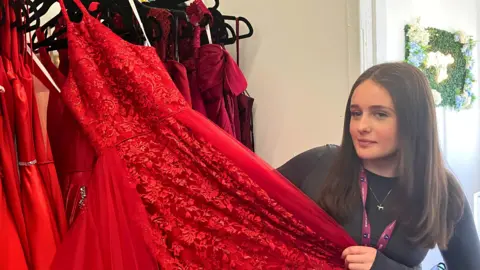
What makes this business particularly noteworthy is the entrepreneurial spirit and dedication these teenagers have demonstrated. The team invested considerable time researching the market, understanding their target demographic's needs, and developing a sustainable prom business model that could actually work at scale. They've implemented quality control measures to ensure that every dress offered through their platform meets certain standards, building trust with their customer base. Additionally, they've created a seamless user experience through their online platform, making it easy for students to browse, purchase, and arrange deliveries for their formal wear.
The financial impact of this initiative is significant for students across multiple socioeconomic backgrounds. A typical prom dress purchased new can cost anywhere from $200 to $500 or more, representing a substantial expense for teenage students and their families. Through the Huntington School entrepreneurs' platform, the same quality dresses are available for 50-70% less than retail prices. This dramatic reduction in cost means that more students can afford to attend prom without financial stress, and families can allocate resources to other important needs. For price-conscious shoppers, this represents a genuine game-changer in how formal events are approached within the school community.
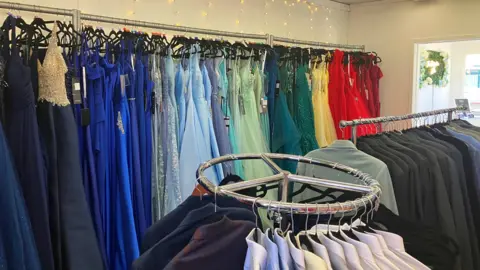
Beyond the obvious financial benefits, this venture also addresses broader questions about consumption, waste, and values in contemporary society. The teenage entrepreneurs are inadvertently teaching their peers about the circular economy, environmental sustainability, and mindful consumption habits. By choosing to shop secondhand, students are making a statement about what they prioritize—they value the experience of prom and looking beautiful far more than they value the prestige of owning a brand-new, tag-still-attached dress. This shift in consumer behavior among young people has profound implications for how the fashion industry might need to adapt in the coming years.
The response from the Huntington School community has been overwhelmingly positive, with students, parents, and administrators all recognizing the value proposition. Parents appreciate having a more affordable option that doesn't compromise on quality or style. Students love the environmental angle and the savings, while also enjoying the novelty of shopping through a platform created by their own peers. Teachers and school leadership have praised the initiative as an exemplary demonstration of entrepreneurial thinking and community problem-solving. The success of this program has even attracted attention from other schools in the area, with several inquiring about replicating the model within their own communities.
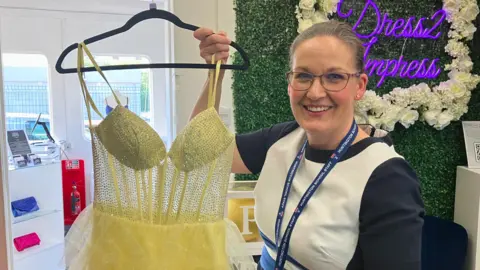
From a business perspective, the entrepreneurship education aspect of this project cannot be overstated. These students are gaining real-world experience in inventory management, customer service, marketing, and financial management. They're learning about profit margins, operational costs, and the importance of customer satisfaction. They're discovering firsthand how to identify a market gap and develop a solution that creates value for others while also generating revenue. This hands-on education is far more impactful than anything they could learn in a traditional classroom setting, and it's directly preparing them for potential future careers in business, retail, or entrepreneurship.
The technological component of their venture is also worth highlighting. The team developed an online platform that handles transactions securely, manages inventory effectively, and provides customers with detailed information about each dress available. Building this digital infrastructure required learning web development skills, understanding e-commerce principles, and implementing payment processing systems. For a group of high school students to accomplish this independently is genuinely impressive and speaks to the quality of their preparation and determination. The platform they've created is not just functional—it's user-friendly and aesthetically appealing, making the shopping experience enjoyable rather than frustrating.
Looking forward, the youth-led business model has significant expansion potential both within Huntington School and beyond. The entrepreneurs have expressed interest in potentially expanding their inventory and services to include other formal wear needs, such as dresses for homecoming, graduation, or other special occasions. They're also exploring partnerships with local dry cleaning services to ensure dresses are professionally cleaned before resale, further enhancing the quality and reliability of their offering. Some have even discussed the possibility of developing similar platforms in neighboring school districts, essentially franchising their business model to other young entrepreneurs.
The story of Huntington School's teenage entrepreneurs ultimately represents something larger than just an innovative approach to prom shopping. It demonstrates the creativity, business acumen, and social consciousness of today's young people. These teenagers didn't simply accept the status quo of expensive formal wear; they questioned it, analyzed it, and created a better alternative. They've shown that young innovators can identify real problems in their communities and develop practical, profitable solutions that benefit everyone involved. As more young people engage in this kind of entrepreneurial thinking, the future of commerce and consumer culture will likely look quite different from what we see today—more sustainable, more equitable, and more thoughtfully designed for the people it serves.
Source: BBC News


