
UK Energy Giant Drax Rakes in Nearly £1B in Tree-Burning Subsidies

Drax power plant in North Yorkshire received record £999M in subsidies for generating 4.5% of UK electricity from biomass in 2025, costing households £13 per year.
The owner of the Drax power plant in North Yorkshire, UK has received a staggering record subsidies of nearly £1 billion for burning trees to generate electricity in 2025, according to calculations by a climate thinktank.
Drax, one of the largest renewable energy producers in the UK, was paid a massive £999 million last year for generating around 4.5% of Great Britain's total electricity from its biomass plant. This cost each UK household approximately £13 annually, the analysts at Ember revealed.
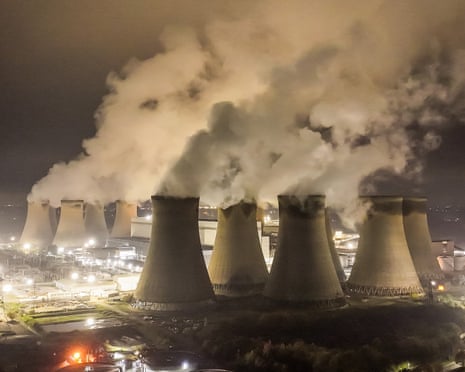
The company has raked in a total of about £8.7 billion in renewable energy subsidies since 2012, despite ongoing controversies around the sustainability of its wood pellet fuel sourcing. Critics argue that Drax's claim that its biomass is a carbon-neutral energy source is not accurate, as the harvesting and processing of wood pellets can actually result in higher emissions than burning coal.
Ember's findings highlight the financial incentives that have driven the rapid growth of biomass power in the UK, even as the true environmental impact of this industry remains hotly debated. As the country strives to meet its ambitious net-zero emissions targets, the role of biomass generation will likely continue to be a contentious issue.
Drax has defended its practices, stating that the company sources its wood pellets from responsibly managed forests and that biomass power is an essential part of the UK's transition to a low-carbon economy. However, environmental groups have long argued that burning trees for electricity generation should not be classified as a renewable energy source, as it can take decades for new tree growth to offset the carbon released during combustion.
As the debate over the sustainability of biomass energy rages on, the staggering subsidies received by Drax in 2025 are sure to fuel further scrutiny and calls for greater transparency and accountability in the renewable energy sector.
Source: The Guardian


