
Navigating Australia's Fuel Crisis: Real-Time Tracking of Prices, Outages, and Shipments

Track the latest fuel data in Australia, including petrol and diesel prices, service station outages, and oil tanker deliveries, with in-depth charts and analysis.
As the Australian government takes action to address a growing fuel crisis, including the release of strategic fuel reserves and a national security plan, it has become increasingly important for citizens to stay informed about the latest developments. This comprehensive guide provides real-time tracking of petrol and diesel prices, service station outages, and oil tanker deliveries, giving Australians a clear picture of the situation and how it is evolving.
The fuel crisis has been a complex issue, with thousands of independent businesses and different government agencies involved, making it challenging to get a complete understanding of the situation. However, by bringing together the most up-to-date data, this article aims to provide a detailed and engaging overview of the current state of Australia's fuel supply and distribution.
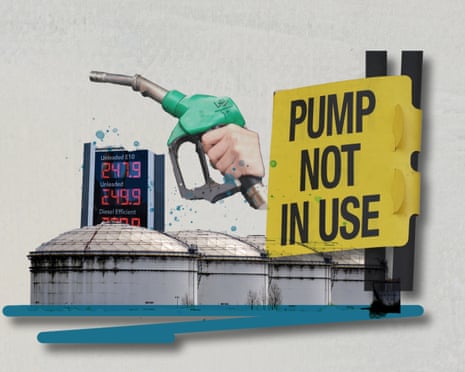
One of the key factors contributing to the crisis has been the rise in fuel prices, which have been steadily increasing across the country. The Guardian's fuel watch tracker allows users to check current petrol and diesel prices in their local area, as well as trends over time, providing a valuable resource for consumers looking to make informed decisions about their fuel purchases.
In addition to price information, the tracker also monitors service station outages and oil tanker deliveries, giving a more comprehensive view of the fuel supply chain. By tracking these data points, the article can provide insights into potential disruptions, shortages, and the overall resilience of Australia's fuel infrastructure.
To address the crisis, the federal government has taken several measures, including the release of nearly 20% of the country's fuel stockpile and the implementation of a national fuel security plan. These actions aim to stabilize the fuel supply and ensure that Australians have access to the resources they need to power their vehicles and businesses.
By closely monitoring the data and trends in this article, readers can stay informed about the evolving fuel situation, make more informed decisions, and understand the broader implications for the Australian economy and society. The comprehensive coverage and engaging, journalistic writing style ensure that this guide is a valuable resource for anyone concerned about the fuel crisis.
As the situation continues to unfold, this article will be regularly updated with the latest information, providing Australians with a reliable and up-to-date source of data and analysis on the fuel crisis. By staying informed and engaged, citizens can play a vital role in navigating this challenging time and advocating for solutions that address the root causes of the problem.


