
Trump Delays AI Oversight Order Amid Industry Pressure

Trump postpones AI executive order following last-minute lobbying from tech industry leaders. Explore what's driving the delay and its implications.
Artificial intelligence regulation took an unexpected turn as President Trump announced a postponement of his highly anticipated AI oversight executive order. The decision came after intense last-minute pressure from influential technology industry leaders who expressed concerns about the proposed regulatory framework.
According to reports from multiple sources within the administration, the delay represents a significant shift in the timeline for implementing comprehensive AI governance measures. Industry insiders had been actively engaging with Trump's team to voice their perspectives on how artificial intelligence regulation should be structured, arguing that premature oversight could stifle innovation and technological advancement.
The postponement highlights the ongoing tension between those advocating for swift AI policy implementation and technology companies seeking to maintain flexibility in their operations. This political maneuvering underscores the complexity of balancing regulatory oversight with business interests in the rapidly evolving AI industry landscape.
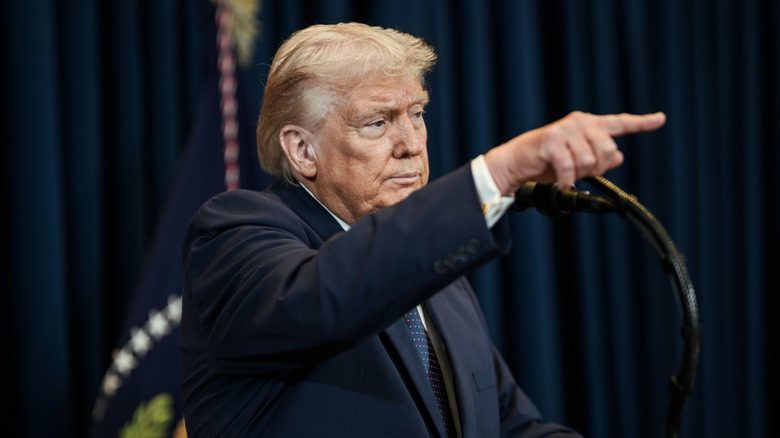
Several prominent technology executives and venture capital leaders reportedly met with Trump administration officials in the days preceding the announcement. These discussions centered on the potential economic impacts of hastily implemented AI oversight regulations. The industry representatives argued that overly restrictive measures could disadvantage American companies competing globally against international competitors, particularly those from China and the European Union.
The delay in the AI executive order signals that the administration is taking a more consultative approach to shaping artificial intelligence policy. Rather than proceeding with predetermined guidelines, Trump's team appears to be reconsidering the scope and implementation methodology of the proposed regulations. This shift reflects the growing influence that major technology companies continue to wield over policy discussions at the highest levels of government.
Industry analysts have noted that this postponement may result in a more collaborative framework for AI governance that incorporates input from both private sector stakeholders and government agencies. The extended timeline could allow for more comprehensive deliberation on critical issues such as data privacy, algorithmic transparency, and safety standards in artificial intelligence systems.
The postponement decision comes as the AI regulation debate continues to intensify across multiple branches of government and international forums. Congress has been developing its own legislative proposals aimed at establishing frameworks for responsible artificial intelligence development and deployment. Meanwhile, federal agencies including the Department of Commerce and the Federal Trade Commission have been working on complementary regulatory approaches.
International considerations also played a role in the administration's decision to delay the executive order. European Union regulations on artificial intelligence, particularly the AI Act, have already established precedents for comprehensive oversight mechanisms. The Trump administration's decision to postpone its own order may reflect strategic thinking about how American AI policy should position itself within the global technological landscape.
Tech industry advocates have consistently argued that innovation in artificial intelligence requires a certain degree of regulatory flexibility and experimentation. They contend that overly prescriptive rules implemented too quickly could push research and development activities to other countries with less stringent requirements. This competitive dimension remains a central element of discussions surrounding appropriate AI oversight strategies.
The delay provides additional time for stakeholders to present their perspectives on how AI regulation should balance safety concerns with innovation incentives. Civil rights organizations, academic institutions, and consumer advocacy groups have also been making their voices heard in these deliberations. These groups emphasize the importance of protecting individuals from potential harms associated with artificial intelligence systems, including bias, discrimination, and privacy violations.
Trump's decision to postpone the order reflects broader policy considerations about the appropriate role of government in emerging technology sectors. The administration must weigh the desire to maintain American competitive advantage in artificial intelligence against the legitimate public interest in ensuring that these powerful technologies are developed and deployed responsibly. The extended timeline allows for more thoughtful consideration of these complex tradeoffs.
Industry observers anticipate that the revised AI executive order will likely reflect a more nuanced approach than initially proposed. Rather than implementing sweeping regulations, the revised framework may focus on specific high-risk applications of artificial intelligence while allowing greater flexibility in less sensitive areas. This graduated approach could satisfy both industry concerns about overregulation and public demands for adequate safeguards.
The postponement also provides an opportunity for international coordination on artificial intelligence governance standards. The U.S. government is collaborating with allies including the United Kingdom, Canada, and Australia on shared principles for responsible AI development. A more deliberative approach to the executive order could result in greater alignment with international partners on critical issues affecting the technology sector.
Moving forward, the revised timeline for the AI oversight executive order will likely become clearer as the administration completes its consultations with relevant stakeholders. The final version of the order will provide important signals about how the Trump administration intends to govern artificial intelligence development and deployment across the federal government and private sector. This decision will have far-reaching implications for the direction of AI policy in the United States for years to come.
Source: Engadget


