
Trump Delays AI Executive Order Amid China Competition Strategy

Trump postpones AI executive order to avoid hindering US tech competition with China. Explore latest developments in US politics and tech policy.
President Donald Trump has made the strategic decision to postpone a significant executive order on artificial intelligence, citing concerns about maintaining American technological competitiveness against China. In a statement addressing the delay, Trump emphasized that he does not "want to do anything to get in the way" of American technology firms as they engage in critical competition with their Chinese counterparts. This decision reflects a broader administration focus on ensuring that domestic regulatory frameworks do not inadvertently compromise the nation's technological leadership in the rapidly evolving field of artificial intelligence.
The postponement of the AI policy comes at a pivotal moment when the United States is intensifying efforts to maintain its edge in emerging technologies. Administration officials have suggested that the timing and specifics of any artificial intelligence regulation must be carefully calibrated to avoid creating unnecessary burdens on American companies that are racing to develop next-generation AI systems. The decision underscores the administration's belief that aggressive regulatory approaches could potentially slow innovation and allow international competitors to gain ground in this critical technological domain.
Tech industry leaders have been closely monitoring the administration's approach to AI regulation, with many expressing concerns about how government policies might impact their research and development timelines. The relationship between government oversight and private sector innovation has become increasingly contentious as artificial intelligence applications expand across multiple industries. Trump's decision to delay the order suggests a preference for a more measured approach that allows companies greater flexibility in their technological pursuits.
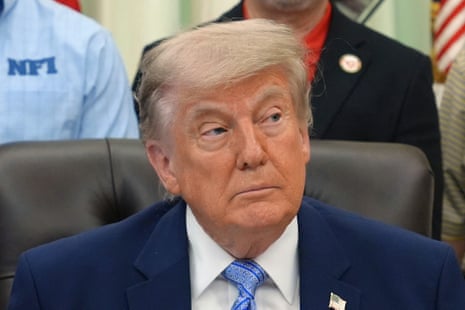
Meanwhile, the broader geopolitical landscape continues to dominate headlines, with House Republicans canceling a scheduled Thursday vote on a war powers resolution that aimed to end the United States military involvement in Iran. The measure would likely have advanced through the legislative process had the vote proceeded as planned, but the cancellation suggests shifting political dynamics within the Republican caucus. This tactical move reflects ongoing debates within Congress about the appropriate scope of executive authority in foreign military matters.
In a significant military announcement, President Trump revealed plans to deploy an additional 5,000 United States troops to Poland, a decision that comes just days after the Pentagon had controversially halted a previously scheduled troop deployment to the same nation. This reversal represents the largest NATO eastern flank reinforcement in recent years and signals a strengthened American commitment to Eastern European security. The deployment decision appears designed to reassure NATO allies about American resolve in the face of international security challenges.
The renewed commitment to Polish military presence has been characterized as a significant shift in defense priorities, with military strategists viewing the deployment as a crucial investment in regional stability. The approximately 5,000 additional service members will bolster existing American force posture in the country and enhance NATO's collective defense capabilities. This announcement comes amid broader discussions about the future role of the alliance and the balance of military responsibility among member nations.
NATO Secretary General Mark Rutte has struck a somewhat more cautious tone in recent remarks, noting that the alliance's strategic trajectory emphasizes building a stronger Europe that is "less reliant on the US." This statement reflects broader European conversations about increasing continental defense capabilities and reducing dependency on American military support. Rutte's comments highlight the ongoing tension within NATO between recognizing American security contributions and pursuing greater European strategic autonomy.
On the domestic front, President Trump disclosed on Thursday that he might be unable to attend his son Donald Trump Jr's wedding, reportedly scheduled to take place in the Bahamas over the upcoming Memorial Day weekend. The president cited pressing national security matters, specifically referencing "this thing called Iran," as the primary reason for his potential absence. The statement underscores the intensive demands placed on the executive office during periods of international crisis.
The wedding announcement sparked considerable media attention and public discussion about work-life balance within the presidential office. Trump's candid explanation about prioritizing national security matters over family obligations resonates with ongoing conversations about the responsibilities inherent in the highest office. The situation exemplifies the often-competing demands placed on modern American presidents navigating multiple complex policy challenges simultaneously.
In related international developments, US arms sales to Taiwan have been temporarily "paused," according to statements from the acting Navy chief, who attributed the delay to the ongoing Iran situation. This suspension of military support to Taiwan represents a significant shift in American defense policy toward the island nation and reflects the administration's efforts to concentrate resources and diplomatic attention on Middle Eastern challenges. The pause in arms sales carries important implications for Taiwan's defense capabilities and regional security dynamics in the Asia-Pacific region.
The decision to halt arms sales to Taiwan has generated considerable discussion among foreign policy analysts and regional observers regarding the strategic implications for America's commitment to the island's sovereignty. Taiwan defense policy has traditionally relied on American military support as a critical counterbalance to Chinese military modernization and capabilities. The temporary suspension of this support underscores how competing international priorities can reshape long-standing security relationships and commitments.
These interconnected policy developments illustrate the complex web of international relations, military strategy, and domestic politics that characterize contemporary American governance. The administration's decisions regarding artificial intelligence regulation, military deployments, NATO relations, and international arms sales all reflect broader strategic calculations about how to advance American interests in an increasingly multipolar world. As these situations continue to evolve, their implications will likely shape the political landscape and international relationships for months to come.
The convergence of these various policy announcements suggests that the Trump administration is actively recalibrating American strategic priorities across multiple domains. From technological competition with China to military commitments in Europe and arms policy toward Asia, each decision reflects careful consideration of how different policy tools can be leveraged to advance national interests. The coming weeks and months will reveal how these strategic choices play out in practice and what additional policy adjustments may be necessary as circumstances evolve.


