
Trump Brings Tech Giants to Xi Summit Amid Weakened Position

Trump assembles Apple, Nvidia, and Tesla leadership for Beijing talks with Xi Jinping, facing significant diplomatic challenges and diminished negotiating leverage.
As Donald Trump prepares for a critical two-day diplomatic summit with China's paramount leader Xi Jinping in Beijing this week, political analysts and foreign policy experts are painting a sobering picture of the American president's negotiating position. According to multiple sources close to international relations discussions, Trump enters these high-stakes talks with considerably limited leverage—a stark contrast to the confident posture his administration projected during its early months in office.
The strategic miscalculations that have undermined Trump's position stem from a cascading series of failed policy objectives, each one representing a missed opportunity to strengthen America's hand before engaging directly with Beijing. Trump's administration had initially outlined an ambitious agenda that included resolving the protracted conflict in Ukraine through diplomatic channels, stabilizing the volatile situation between Israel and Gaza, implementing his promised Liberation Day tariffs to reshape global trade dynamics, and rapidly diversifying critical US supply chains away from Chinese dependence. Had these initiatives succeeded, they would have collectively positioned Trump as a leader capable of delivering tangible results—precisely the kind of demonstrated competence that translates into negotiating power with formidable counterparts like Xi.
However, the reality on the ground tells a markedly different story. The Ukraine conflict remains largely unresolved, with military operations continuing to drain resources and international attention. The Middle East tensions have only intensified rather than de-escalated, leaving the Israeli-Palestinian situation as fractious as ever. The Liberation Day tariffs, while implemented, have not achieved the sweeping restructuring of supply chains that the administration envisioned. These mounting setbacks have collectively eroded Trump's ability to enter the Beijing summit with the kind of concrete achievements that typically strengthen a negotiator's position.
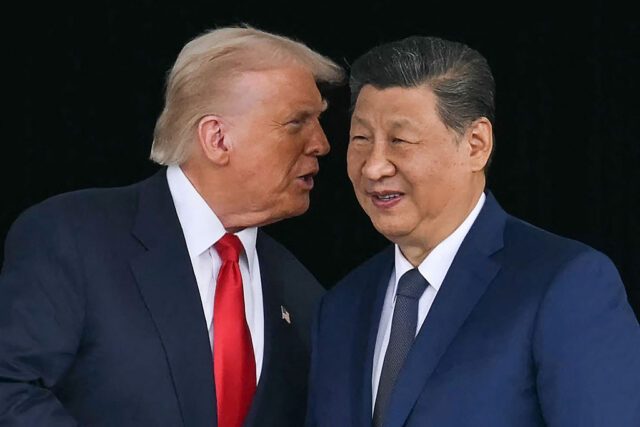
Complicating matters further, Trump's recent escalatory moves against Iran have inadvertently handed China unexpected diplomatic advantages heading into these crucial negotiations. By intensifying tensions in the Middle East, the administration has essentially complicated the geopolitical landscape in ways that benefit Beijing's strategic interests. China, as an energy importer heavily invested in Middle Eastern stability, can now position itself as a voice of restraint and reason—a role that enhances its standing in international forums and potentially with developing nations that rely on stable energy supplies. Xi Jinping and his negotiating team are acutely aware of these shifting dynamics, and they will undoubtedly leverage them during discussions with Trump.
In a somewhat unusual move that underscores the importance Trump places on these talks, the American delegation will include prominent leaders from the technology sector. Apple CEO Tim Cook (referred to colloquially as "Tim Apple" by Trump), Nvidia CEO Jensen Huang, and Tesla founder Elon Musk are among the notable figures expected to participate in the summit. This inclusion of tech industry leaders represents a deliberate strategy to emphasize America's technological prowess and economic capabilities, even as Trump's traditional diplomatic leverage has diminished.
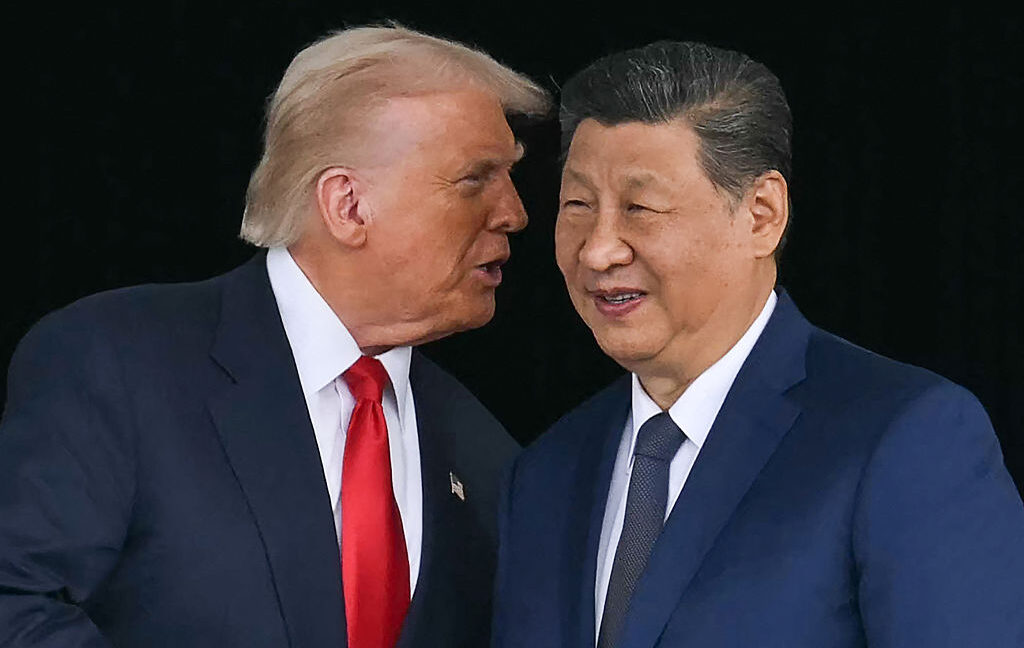
The decision to bring these technology executives to Beijing carries multiple strategic implications. First, it signals to Xi that despite political setbacks, American innovation and technological leadership remain world-class competitive advantages. Apple's dominance in consumer electronics, Nvidia's control over artificial intelligence chip manufacturing, and Tesla's leadership in electric vehicles represent sectors where the United States maintains genuine competitive advantages. By parading these leaders before the Chinese government, Trump hopes to subtly remind Xi that any escalation in tensions or restrictions on American business could have significant costs for Chinese consumers and industries reliant on American technology.
Second, the presence of these tech leaders serves a domestic political purpose, allowing Trump to demonstrate to American voters and business interests that he is actively engaged in protecting and advancing American economic interests on the world stage. Even as his traditional diplomatic tools have proven less effective, Trump can point to his willingness to bring influential business leaders into high-level negotiations as evidence of pragmatic deal-making.
Third, the inclusion of figures like Elon Musk—who has his own complex relationship with both the American and Chinese governments—adds an element of unpredictability to the American delegation. Musk's willingness to engage in direct communications with foreign leaders and his history of making unscripted comments could either enhance or complicate the negotiating process, depending on how his participation unfolds.

The Beijing summit itself represents a crucial test for Trump's foreign policy approach. The meetings will likely touch on trade relations, intellectual property disputes, technology transfer issues, and the broader question of American-Chinese competition in strategic sectors. With Trump's negotiating position weakened by unresolved crises elsewhere in the world, he will need to rely heavily on economic incentives, technological demonstrations, and whatever personal rapport he can establish with Xi to achieve favorable outcomes.
From Xi's perspective, the summit presents an opportunity to extract concessions from an American administration that appears increasingly beleaguered by circumstances beyond its control. The Chinese leader can leverage Trump's domestic political vulnerabilities, the mounting costs of maintaining American military commitments globally, and the administration's apparent lack of coherent strategy for simultaneously managing Ukraine, the Middle East, and great power competition with Beijing.
Experts observing these developments note that the very act of Trump bringing prominent American business leaders to the negotiating table may itself indicate a shift in diplomatic strategy. Rather than relying exclusively on traditional geopolitical leverage or military deterrence, the administration appears to be betting that direct engagement between American business interests and Chinese leadership can produce mutually beneficial outcomes. This approach reflects both pragmatism and a certain acknowledgment that Trump's earlier, more confrontational tactics have not yielded the results he anticipated.
As Trump prepares to board a plane to Beijing, the success or failure of his mission will likely hinge on his ability to create the perception of progress, regardless of concrete achievements. With his traditional sources of negotiating leverage significantly diminished, he will need to convince both the Chinese leadership and domestic American audiences that he has protected American interests and secured favorable terms. The presence of America's leading technology executives adds symbolic weight to the American delegation, suggesting that despite current difficulties, the United States remains a powerhouse of innovation and economic strength that China cannot afford to antagonize unnecessarily.
Source: Ars Technica


