
Top Gun Celebrates 40 Years of Iconic Aviation

The legendary 1986 action film Top Gun marks four decades of cultural impact, record-breaking box office success, and inspiring generations of Navy pilots.
The 1986 action film Top Gun remains one of cinema's most enduring cultural phenomena as it celebrates its 40th anniversary. While critics initially offered mixed reviews upon its theatrical release, audiences worldwide embraced the high-octane aviation thriller with overwhelming enthusiasm. The film's remarkable financial performance solidified its place in Hollywood history, earning an impressive $358 million globally and claiming the title of highest-grossing film of 1986. This commercial triumph would prove to be just the beginning of a legacy that extends far beyond the silver screen.
The cultural resonance of Top Gun has only deepened over four decades, spawning an entertainment ecosystem that includes video games, merchandise, and most significantly, a critically acclaimed 2022 sequel titled Top Gun: Maverick. The original film's most defining feature—its spectacular aerial combat sequences—remains the primary draw for audiences revisiting the movie today. These breathtaking flight scenes, accomplished with practical filming techniques and real military aircraft, continue to captivate viewers and have become the benchmark by which action sequences are measured. The authenticity and intensity of these sequences created an unexpected side effect that extended into real-world recruitment efforts.
The US Navy recruitment surge following the film's release represents one of cinema's most documented impacts on military enlistment. Recruiters reported significant increases in young adults expressing interest in becoming naval aviators, directly attributable to the film's glamorization of fighter pilot culture and the adrenaline-pumping dogfight sequences. This phenomenon would repeat itself decades later when Top Gun: Maverick was released, demonstrating the enduring power of these aerial sequences to inspire real-world career choices. The film essentially served as the most effective military recruitment tool of its era.
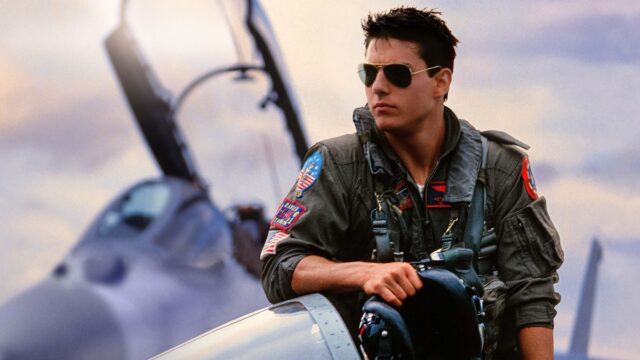
The origin story of Top Gun traces back to a 1983 article published in California magazine that profiled the lives and experiences of fighter pilots stationed at Naval Air Station Miramar in San Diego. This naval base, colloquially known as "Fightertown USA," became the geographical and cultural foundation for the film's narrative. The magazine piece featured compelling portrait photography alongside detailed interviews, capturing the intensity and brotherhood of the fighter pilot community. This journalistic foundation provided screenwriters with authentic material and a genuine perspective on military aviation culture.
The creative team behind Top Gun included powerhouse producers Jerry Bruckheimer and Don Simpson, who recognized the commercial and artistic potential of adapting the California magazine article into a feature film. They assembled a writing team consisting of Jim Cash and Jack Epps Jr., both accomplished screenwriters who would spend considerable time researching the subject matter. Epps, in particular, demonstrated exceptional dedication to authenticity by attending declassified training classes at the Naval Academy and experiencing firsthand what it meant to fly in an F-14 fighter jet. This immersive research process informed every aspect of the screenplay, ensuring that the technical details and cultural nuances of fighter pilot life were accurately portrayed.
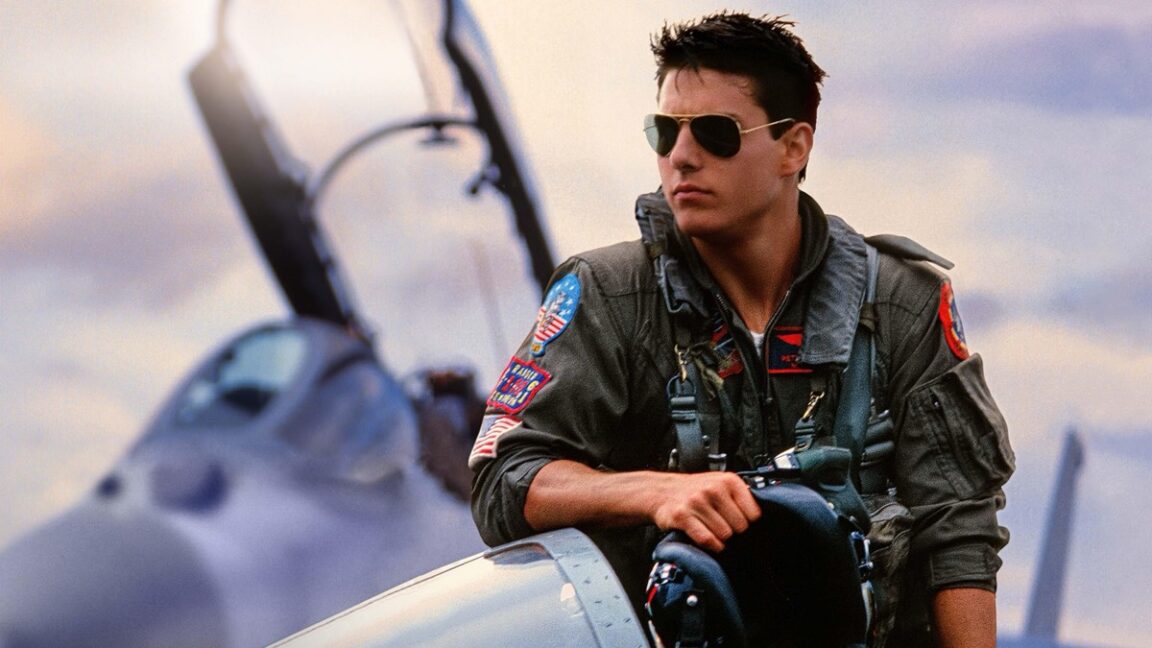
The commitment to aviation authenticity extended throughout the entire production process, with the filmmakers working closely with the military to access real aircraft and facilities. The decision to shoot actual aerial sequences rather than relying solely on special effects or miniature models set Top Gun apart from its contemporary action films. The practical approach required complex coordination between the film crew, military personnel, and highly skilled aviators who performed the demanding aerial maneuvers. This methodology resulted in footage that possessed a visceral quality that audiences found both thrilling and believable.
Forty years after its initial release, the legacy of Top Gun continues to shape popular culture and audience expectations for action cinema. The film's influence extends beyond entertainment, having tangibly impacted military recruitment, influenced subsequent aviation films, and established certain narrative and technical standards within the action genre. The 2022 sequel's critical acclaim and commercial success demonstrated that audiences still valued the franchise's commitment to authentic aerial sequences and character-driven storytelling. As Top Gun reaches this significant milestone, it stands as a testament to the power of compelling storytelling combined with groundbreaking technical achievement.
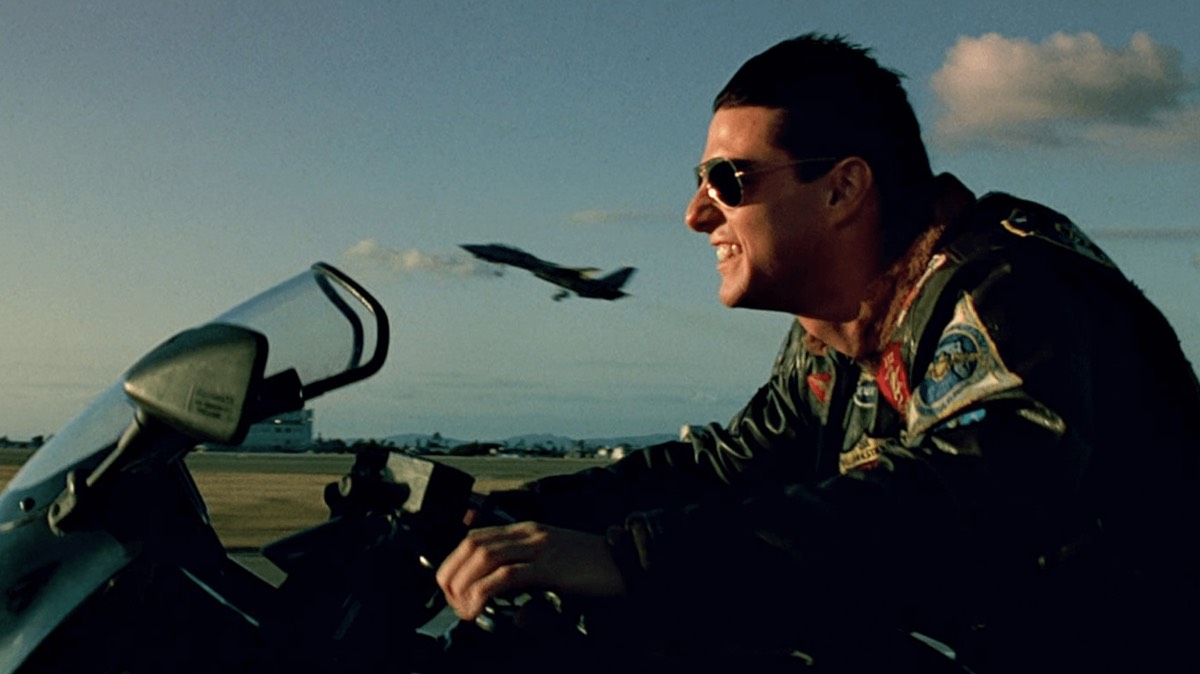
The film's four-decade journey reflects broader changes in filmmaking technology, military-civilian relations, and audience preferences. Yet the core appeal of Top Gun remains largely unchanged—audiences continue to be mesmerized by the combination of expertly choreographed aerial combat, compelling human drama, and the exploration of courage and camaraderie. The franchise's evolution from the original 1986 film through its modern sequel demonstrates how powerful concepts and authentic execution can transcend generational gaps. Looking forward, the influence of Top Gun on cinema and culture appears far from diminished, with audiences eager to experience both the original film and future installments that honor the legacy established four decades ago.
Source: Ars Technica


