
Destiny 2 Development Ends: What's Next?

Bungie announces the end of active development for Destiny 2 on June 9. Learn what this means for players and the game's future.
Destiny 2 is entering a new chapter as Bungie announced that active development for the long-running online multiplayer shooter will come to an end on June 9. This significant milestone marks a pivotal moment for one of the gaming industry's most ambitious and enduring franchises, which has captivated millions of players worldwide since its original launch in 2014.
The decision to conclude active development represents a major shift in how Bungie will manage and support the game moving forward. For nearly a decade, the studio has consistently released expansions, seasonal content, and meaningful updates that have kept the Destiny 2 community engaged through multiple story arcs and gameplay transformations. This transition will fundamentally alter the development cycle and resource allocation that players have grown accustomed to during the game's extended tenure in the competitive live-service market.
During its development lifecycle, Destiny 2 has undergone tremendous evolution, from its rocky launch in 2017 to becoming one of the most successful online games in history. The game's foundation was built on the original Destiny's promise of cooperative storytelling combined with competitive multiplayer elements. Over the years, expansions like "The Taken King," "Forsaken," and "The Final Shape" have shaped the narrative and gameplay experiences that define the franchise's legacy.
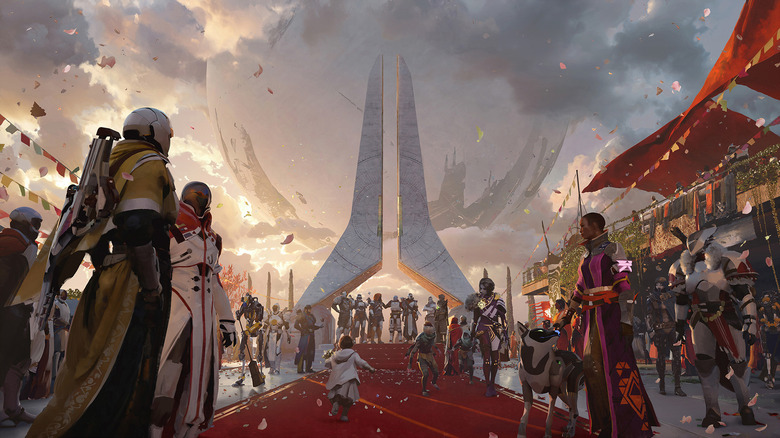
The timing of this announcement reflects broader industry trends in the live-service gaming sector, where maintaining large-scale online worlds requires sustained investment and player engagement. Bungie's decision to shift away from active development suggests the studio is evaluating its resources and future projects. The company has been increasingly focused on new ventures and has experienced significant organizational changes in recent years, including layoffs and restructuring that have impacted development timelines.
Players and fans of the Destiny franchise have expressed mixed reactions to this news. While some view it as an inevitable conclusion to an aging game, others are concerned about the long-term viability and support of their favorite online experience. The announcement raises important questions about what post-development support will look like, including whether seasonal content will continue, how bug fixes will be handled, and whether the game will receive any additional balance adjustments or quality-of-life improvements.
The end of active development does not necessarily mean Destiny 2 servers will shut down immediately or that the game will become unplayable. Many games transition to maintenance mode after their primary development cycle concludes, continuing to operate with minimal updates while preserving the existing community's ability to play. This is a crucial distinction that many players may not initially understand, as the game's online infrastructure could potentially remain operational for years to come.
Bungie's relationship with Destiny 2 has been complex and multifaceted throughout its existence. After leaving Activision in 2019, the studio reclaimed full creative control and publishing rights to the franchise, allowing for more autonomous decision-making. This independence has resulted in both celebrated successes and controversial decisions that have directly impacted player satisfaction and retention rates. The studio has had to balance player expectations with financial sustainability and creative vision.
Looking ahead, the gaming industry will be watching closely to see how Bungie transitions its resources and talent. The studio has several projects in development, including new intellectual properties that represent the company's ambitions beyond the Destiny universe. This pivot suggests that Bungie's leadership believes the studio can best serve its creative goals and financial objectives by exploring new gaming experiences while allowing Destiny 2 to enter a more stable, less demanding phase of its lifecycle.
For the dedicated Destiny 2 community, this announcement marks the beginning of an uncertain period. Players who have invested thousands of hours, accumulated rare gear, and formed lasting friendships through the game face questions about the long-term value of their continued engagement. The Destiny subreddits and forums have already begun discussions about what this means for seasonal pass purchases, cosmetic items, and overall game direction.
The announcement also has implications for the broader live-service gaming model that has become increasingly prominent in the industry. Destiny 2 was often cited as an example of how a live-service title could recover from a rocky start and build a thriving, dedicated player base. The end of its active development phase may serve as a case study for other studios attempting to sustain online games over extended periods.
Bungie has stated that it will provide more detailed information about what comes after June 9, including clarity on the future of seasonal content, event scheduling, and ongoing support structures. This communication will be critical in shaping player perception and determining whether the Destiny 2 community remains engaged during the transition period. Transparency about the studio's plans will help mitigate concerns and establish realistic expectations for long-term players.
In conclusion, the end of active development for Destiny 2 on June 9 represents a significant milestone in gaming history. While the announcement may bring sadness to dedicated fans, it also acknowledges the remarkable achievement of sustaining a complex, evolving online world for nearly a decade. How Bungie manages this transition and supports the game's future will determine whether Destiny 2 becomes a cautionary tale or a respected example of a successful live-service game's evolution.
Source: Engadget


