
Tech-Dense Farms: The Revolutionary Future of Agriculture

Discover how cutting-edge agricultural technology is transforming modern farming, promising higher yields and lower food prices for consumers worldwide.
The agricultural landscape is undergoing a dramatic transformation as tech-dense farms emerge as the potential solution to global food security challenges. Modern farmers are increasingly embracing sophisticated technologies that promise not only to revolutionize traditional farming methods but also to deliver substantially higher crop yields while simultaneously reducing food costs for consumers. This technological revolution in agriculture represents one of the most significant shifts in farming practices since the Green Revolution of the mid-20th century.
The spectrum of agricultural technology available to today's farmers is vast and constantly expanding. From precision agriculture systems that utilize GPS-guided tractors to advanced sensor networks that monitor soil conditions in real-time, these innovations are reshaping how crops are planted, monitored, and harvested. Drone technology has become particularly prevalent, offering farmers the ability to survey vast expanses of farmland with unprecedented accuracy and efficiency. These unmanned aerial vehicles equipped with high-resolution cameras and multispectral sensors can detect crop stress, identify pest infestations, and assess plant health across thousands of acres in a single flight.
Artificial intelligence and machine learning algorithms are playing an increasingly crucial role in modern farming operations. These smart farming systems can analyze vast amounts of data collected from various sources, including weather stations, soil sensors, and satellite imagery, to make precise recommendations about irrigation schedules, fertilizer application rates, and optimal harvest timing. The integration of Internet of Things (IoT) devices throughout farm operations creates a interconnected network of sensors and monitoring equipment that provides farmers with comprehensive insights into every aspect of their agricultural operations.
Vertical farming represents another groundbreaking approach to agricultural innovation, particularly in urban environments where traditional farming space is limited. These indoor farming facilities utilize LED lighting systems, hydroponic or aeroponic growing methods, and climate-controlled environments to produce crops year-round regardless of external weather conditions. While the initial investment costs for vertical farming operations can be substantial, proponents argue that the dramatic increase in crop yields per square foot, combined with reduced water usage and elimination of pesticide requirements, make these systems economically viable in the long term.
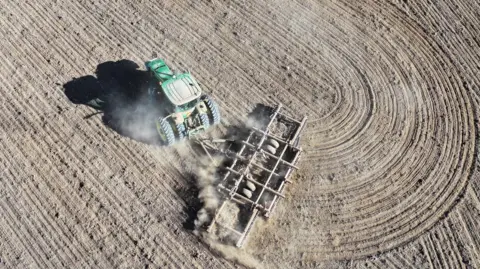
Robotic automation is increasingly becoming a cornerstone of tech-dense farming operations. Autonomous tractors equipped with advanced navigation systems can operate continuously without human intervention, performing tasks such as planting, cultivating, and harvesting with precision that often exceeds human capabilities. Robotic harvesting systems, particularly for delicate crops like strawberries and tomatoes, utilize computer vision and gentle handling mechanisms to identify ripe produce and harvest it without damage. These automated farming systems not only reduce labor costs but also enable farms to operate more efficiently during critical periods when timing is essential for crop quality.
The promise of significantly higher farming yields through technology adoption has captured the attention of agricultural experts worldwide. Studies have shown that farms implementing comprehensive technology packages can achieve yield increases of 20-30% compared to traditional farming methods. This improvement stems from multiple factors, including more precise application of fertilizers and pesticides, optimized irrigation scheduling, early detection and treatment of plant diseases, and improved timing of planting and harvesting operations. The cumulative effect of these technological enhancements creates a compounding benefit that substantially increases overall farm productivity.

The economic implications of widespread technology adoption in agriculture extend far beyond individual farm operations. As agricultural productivity increases through technological innovation, the potential for reducing food prices becomes increasingly realistic. Lower production costs achieved through reduced labor requirements, optimized resource utilization, and improved crop yields can translate directly into more affordable food products for consumers. This economic benefit is particularly significant given the growing global population and increasing demand for food security.
However, the transition to tech-dense farming is not without challenges. The substantial initial investment required for advanced agricultural technologies can be prohibitive for smaller farming operations, potentially creating a divide between large commercial farms and smaller family-owned operations. Access to reliable internet connectivity, which is essential for many modern farming technologies, remains limited in rural areas where most agricultural activities take place. Additionally, the complexity of these technological systems requires farmers to develop new skills and expertise, necessitating comprehensive training and ongoing technical support.
Environmental sustainability considerations are driving much of the innovation in precision agriculture technology. Smart irrigation systems can reduce water consumption by up to 50% while maintaining optimal growing conditions for crops. Precision fertilizer application reduces chemical runoff into waterways, while targeted pest management systems minimize the use of harmful pesticides. These environmental benefits align with growing consumer demand for sustainably produced food products and regulatory pressure to reduce agriculture's environmental impact.

The integration of blockchain technology into agricultural supply chains is another emerging trend that promises to enhance traceability and food safety. By creating immutable records of crop production, processing, and distribution, blockchain systems enable consumers to verify the origin and quality of their food products. This transparency can command premium prices for producers while building consumer confidence in food safety and quality standards.
Biotechnology and genetic engineering continue to play controversial yet significant roles in the future of farming. Gene-edited crops designed to resist specific diseases, tolerate herbicides, or thrive in challenging environmental conditions offer potential solutions to climate change challenges and food security concerns. While public acceptance of genetically modified crops varies significantly across different regions and cultures, the scientific evidence supporting their safety and efficacy continues to grow.
Looking toward the future, the concept of digital farming encompasses the complete integration of all technological systems into a unified platform that manages every aspect of agricultural production. These comprehensive farm management systems combine data from multiple sources to create detailed models that can predict optimal growing conditions, anticipate potential problems, and automatically adjust farming operations to maximize productivity. The potential for artificial intelligence to revolutionize agricultural decision-making processes represents perhaps the most significant opportunity for improving farming efficiency and sustainability.
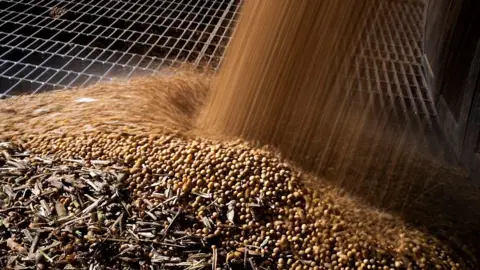
The global nature of food production and distribution means that technological advances in agriculture have far-reaching implications for international trade and food security. Countries that successfully implement advanced farming technologies may gain competitive advantages in agricultural exports, while regions that lag in technology adoption could face increased dependence on food imports. This technological divide in agriculture could reshape global food markets and influence international development policies.
As the agricultural industry continues to evolve, the successful implementation of tech-dense farming practices will likely depend on collaborative efforts between technology companies, agricultural researchers, government agencies, and farming communities. Investment in rural infrastructure, education and training programs, and supportive policies will be essential to ensure that the benefits of agricultural technology are accessible to farmers of all sizes and in all regions. The future of farming may indeed be tech-dense, but realizing this potential will require coordinated efforts to address the challenges and barriers that currently limit widespread technology adoption in agriculture.
Source: BBC News


