
Silent Hill: Townfall Takes Inspiration from Scottish Village

Discover how the atmospheric Scottish fishing village of St Monans in Fife inspired the eerie fictional setting of St Amelia in Silent Hill: Townfall.
The highly anticipated Silent Hill: Townfall has unveiled its unique inspiration source, drawing atmospheric elements from an unexpected location: the picturesque fishing village of St Monans nestled in the East Neuk of Fife, Scotland. This revelation has captivated both horror gaming enthusiasts and Scottish locals alike, as the serene coastal community transforms into the foundation for the game's haunting fictional setting of St Amelia. The developers' choice to look beyond traditional horror locations demonstrates a sophisticated approach to world-building that promises to deliver fresh psychological terror.
St Monans, with its population of fewer than 1,500 residents, represents one of Scotland's most charming historic fishing communities. The village's distinctive architecture, featuring traditional Scottish stone cottages and the iconic 14th-century St Monans Church perched dramatically on rocky cliffs overlooking the North Sea, provides an unexpectedly rich canvas for horror adaptation. The narrow winding streets, weathered harbor walls, and ancient cemetery create an atmosphere that developers recognized as perfect for psychological horror storytelling.
The transformation from the peaceful reality of St Monans to the fictional St Amelia showcases the creative team's ability to identify hidden darkness within seemingly innocent settings. While St Monans thrives as a tourist destination known for its stunning coastal walks and historic salt pans, St Amelia will embody the twisted mirror image where familiar architectural elements become sources of dread and uncertainty. This juxtaposition between reality and nightmare reflects the core philosophy of the Silent Hill franchise.
Game developers spent considerable time researching the village's maritime heritage, including its centuries-old connection to the North Sea fishing industry and the stories of generations who called this coastal settlement home. The ancient kirk, built in the 1360s and still standing today, serves as a particularly significant inspiration point, with its gothic stonework and clifftop position offering dramatic visual storytelling opportunities that translate perfectly into the horror gaming medium.
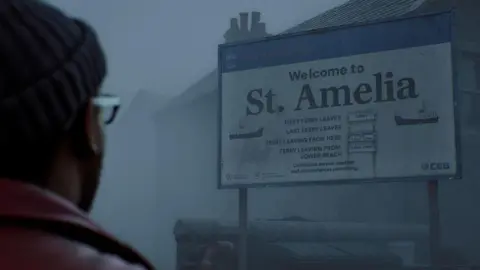
Silent Hill: Townfall represents a significant addition to the legendary horror franchise, marking a return to the series' roots while exploring new geographical and cultural territories. The decision to base the game's setting on a real Scottish location demonstrates the development team's commitment to authentic environmental storytelling, where every cobblestone street and weathered building facade carries potential narrative weight. This approach ensures that players will experience a world that feels lived-in and historically grounded, even as supernatural elements begin to manifest.
The East Neuk of Fife, where St Monans is situated, encompasses a collection of historic fishing villages that have maintained their traditional character despite modern pressures. This region's unique blend of medieval architecture, industrial maritime heritage, and rugged coastal geography provides an incredibly rich source material for horror adaptation. The area's history includes tales of shipwrecks, ancient folklore, and the harsh realities of life dependent on the unpredictable North Sea, all elements that can be woven into compelling horror narratives.
Local residents of St Monans have expressed mixed reactions to their village's transformation into horror gaming inspiration. While many appreciate the recognition of their community's atmospheric qualities and historic significance, others wonder how their peaceful home will be portrayed in the context of psychological horror gaming. The village's tourism board, however, sees potential opportunities for heritage tourism, as gaming enthusiasts may seek to experience the real-world inspiration behind their virtual horror adventures.
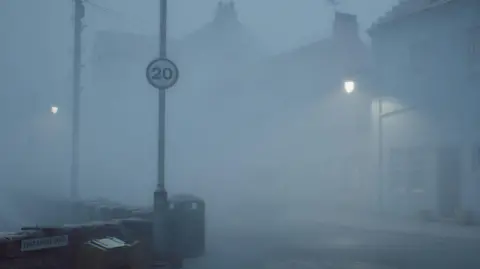
The development team's research process included extensive photography sessions capturing St Monans during different weather conditions and seasons, recognizing that Scottish coastal weather creates dramatically varying moods throughout the year. Fog rolling in from the North Sea, winter storms battering the harbor walls, and the long summer twilights all contribute to the atmospheric palette that will inform St Amelia's environmental design. These natural phenomena become powerful tools for building tension and creating memorable horror moments.
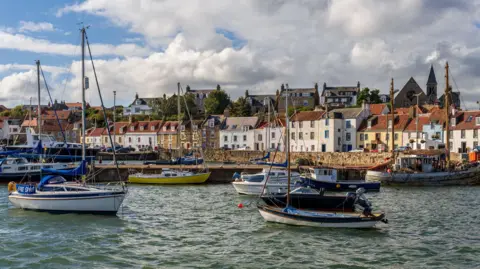
Architecture enthusiasts and gaming historians note that St Monans' medieval church represents one of Scotland's finest examples of seaside ecclesiastical architecture, with its unique position requiring careful engineering to withstand centuries of coastal weather. The church's graveyard, filled with weathered headstones bearing the names of fishing families spanning generations, provides particularly evocative inspiration for horror game designers seeking authentic historical atmosphere. These elements of mortality and maritime danger create natural narrative foundations for supernatural storytelling.
The village's industrial heritage includes the remains of salt pans that once provided crucial income alongside fishing, creating additional layers of historical complexity that enrich the fictional adaptation. These abandoned industrial sites, partially reclaimed by nature over decades, offer perfect examples of how human enterprise eventually succumbs to natural forces, a theme that resonates strongly with horror storytelling traditions where civilization's veneer proves fragile against darker forces.
Gaming industry analysts suggest that Silent Hill: Townfall's Scottish inspiration represents a broader trend toward more diverse geographical settings in horror games, moving beyond the typical American small-town environments that have dominated the genre. This cultural expansion allows for exploration of different folklore traditions, architectural styles, and social dynamics, potentially creating more universally resonant horror experiences that draw from humanity's shared fears while respecting local cultural contexts.
The choice of St Monans also reflects sophisticated understanding of how coastal environments create unique psychological atmospheres, where the constant presence of the sea serves as both barrier and pathway, isolation and connection. The village's position on Scotland's east coast means residents live with constant awareness of weather patterns, tide cycles, and seasonal changes that urban dwellers rarely experience so intimately. This relationship between human community and natural forces provides rich material for horror narratives exploring themes of vulnerability and dependence.
Historical records reveal that St Monans has weathered numerous challenges throughout its existence, from medieval plagues to economic hardships when fishing declined, creating a community with deep resilience and strong collective memory. These historical struggles, while overcome by real residents, provide authentic background for fictional horror scenarios where communities face supernatural threats requiring similar determination and cooperation. The game developers can draw upon genuine historical trauma while creating entirely fictional supernatural explanations.
The East Neuk fishing heritage includes traditional practices, superstitions, and cultural elements that have been passed down through generations, offering rich source material for incorporating authentic Scottish folklore elements into the horror narrative. Local legends about sea creatures, ghost ships, and ancient curses provide cultural authenticity that enhances the game's atmospheric credibility while respecting the region's storytelling traditions. This approach ensures that supernatural elements feel organically connected to the geographic and cultural setting.
Tourism officials in Fife recognize that Silent Hill: Townfall could significantly impact visitor interest in St Monans and surrounding East Neuk villages, potentially creating new categories of heritage tourism focused on gaming inspiration and film location visiting. This phenomenon, already observed with other successful media properties, demonstrates how fictional adaptations can increase appreciation for real-world historic sites and cultural heritage, even when the fictional version emphasizes horror elements rather than traditional tourist attractions.
The development team's commitment to authenticity extends beyond visual inspiration to include research into Scottish Gaelic language elements, traditional music, and regional dialects that could enhance the game's cultural immersion. This attention to linguistic and cultural detail helps create more believable fictional worlds while honoring the source inspiration's genuine cultural heritage. Such thorough research ensures that the horror elements emerge from authentic cultural foundations rather than generic supernatural tropes.
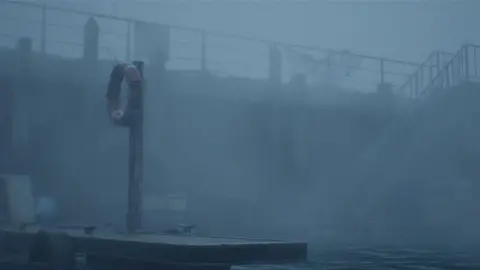
Environmental storytelling opportunities abound in St Monans' real-world setting, from the ancient harbor walls that have witnessed centuries of fishing activity to the narrow streets designed for pedestrian and horse traffic rather than modern vehicles. These physical constraints create natural gameplay elements where movement becomes strategic, sight lines are limited, and players must navigate carefully through genuinely historic spatial relationships. The village's compact size ensures that every location can be meaningful within the game's narrative structure while maintaining geographical authenticity.
Source: BBC News


