
Mandalorian & Grogu: Struggling to Escape TV Constraints

The Mandalorian and Grogu film fails to fully transition from television to cinema, struggling with format limitations and creative storytelling constraints.
The highly anticipated film adaptation of The Mandalorian and Grogu represents an intriguing attempt to transplant a beloved streaming television series into the theatrical cinema experience. However, the final product reveals significant challenges in making this transition successfully, as the movie struggles to fully shed its episodic television DNA and embrace the cinematic scope and scale that audiences expect from a feature film release.
One of the most apparent limitations of The Mandalorian and Grogu film is its inability to move beyond the structural and narrative patterns established during its successful run on Disney+. The story progression feels constrained by the same episodic formula that works so well on the small screen, where individual episodes can stand alone while contributing to a larger narrative arc. This approach, while effective for television, fails to capitalize on the immersive potential of a theatrical experience where audiences settle in for an extended cinematic journey rather than a condensed weekly viewing session.
The visual presentation, despite the increased budget typically associated with film productions, still carries the unmistakable aesthetic and framing choices of a prestige television series. Din Djarin's character development and his relationship with the child known as Grogu, which evolved beautifully across two seasons of television, feels largely static in the film format. Rather than deepening these character dynamics in ways that justify the theatrical release, the narrative merely extends familiar plot points without genuine innovation or transformative storytelling.
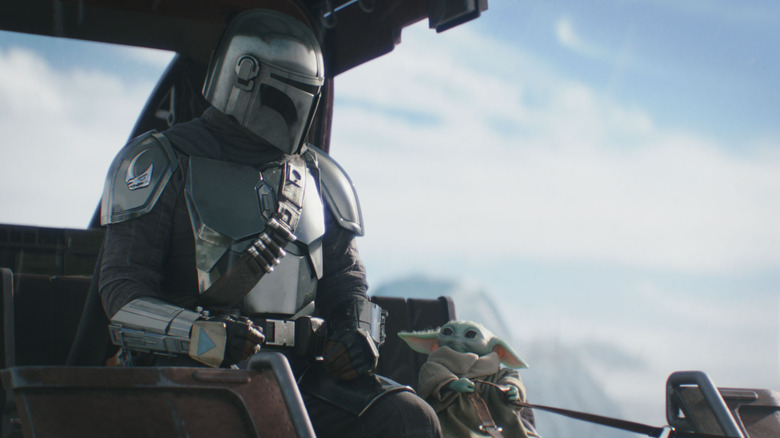
The production design, while undeniably impressive, reflects the scaled-up television aesthetic rather than fully committing to the grandeur expected of a Star Wars theatrical release. Locations feel distinctly like expanded sets rather than fully realized worlds that demand to be experienced on a large screen. The cinematography, competent though it may be, doesn't leverage the theatrical medium in ways that enhance the storytelling experience or provide viewers with visual moments that couldn't be effectively conveyed on television.
Pacing emerges as another critical issue where the film's television roots become immediately apparent. Rather than building momentum and tension toward meaningful climactic moments, the narrative meanders through plot points that would function effectively as individual episodes but lack cohesion within a two-hour feature film structure. Exposition is delivered in ways that feel overly familiar to viewers accustomed to recap sequences common in television productions, disrupting the flow that audiences anticipate in theatrical cinema.
The character interactions and dialogue, while charming in their previous television context, occasionally feel repetitive and insufficient for the expanded runtime of a feature film. Scenes that might have played perfectly as a fifteen-minute television segment expand awkwardly to fill cinematic time, resulting in sequences that test viewer patience rather than deepening emotional investment. The banter between characters, once refreshing and witty, now feels like it's recycling established patterns rather than evolving the relationships in meaningful ways.
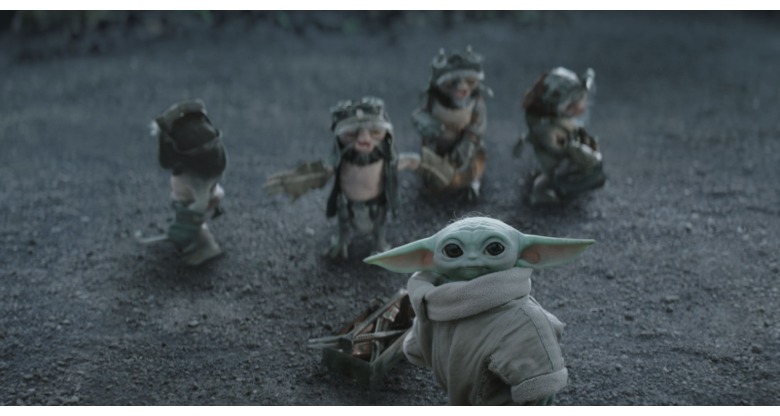
The Mandalorian franchise undoubtedly possesses remarkable world-building potential and beloved characters that audiences have grown to cherish. The decision to create a theatrical film rather than continuing the streaming series suggests confidence in the material's marketability and the filmmakers' belief that audiences wanted a different experience. However, the execution suggests that the filmmaking team remained too comfortable with the television formula that established the property's initial success.
The action sequences, while competently choreographed, lack the innovative scale and intensity that distinguishes exceptional theatrical action from premium television productions. Viewers accustomed to impressive action on streaming services find little that justifies the theatrical experience from a technical or creative standpoint. The combat feels designed for standard cinematography rather than utilizing widescreen formats and theatrical sound systems that modern cinema offers.
Furthermore, Grogu's character arc in the film remains largely unchanged from television expectations, representing a significant missed opportunity. A theatrical adaptation should provide closure or profound development for beloved characters, yet Grogu's journey feels more like an extended episode than a definitive statement about his future and evolution. This stagnation suggests the filmmakers were uncertain about committing to substantial character progression within the theatrical format.
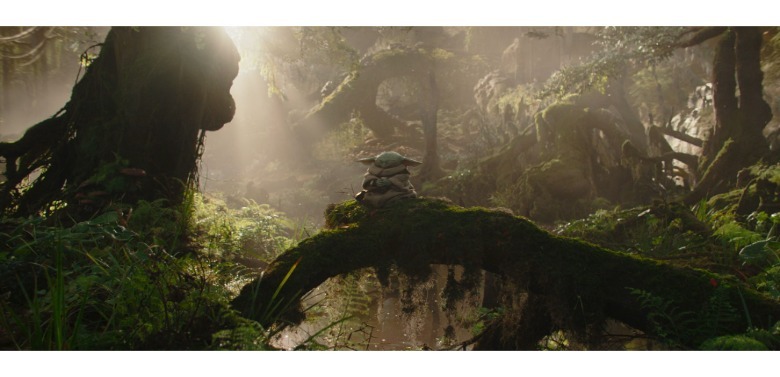
The tonal inconsistencies between dramatic moments and lighter comedic beats, while present throughout the television series, feel more pronounced and jarring in the feature film context. Television audiences embrace episodic tone variations week to week, but theatrical audiences expect more cohesive emotional trajectories within a single continuous experience. The film's inability to balance these tones smoothly highlights how differently audiences process narrative structure depending on the medium.
What makes this situation particularly frustrating is the evident quality of the source material and the clear affection that creators and performers bring to the Mandalorian and Grogu universe. The problem isn't a lack of talent or dedication but rather a creative reluctance to embrace the opportunities that theatrical filmmaking uniquely provides. The filmmakers appeared content to leverage existing television successes rather than reimagine the property for a different audience experience.
Industry observers note that television-to-film transitions require more than simply expanding episode lengths and increasing production budgets. They demand fundamental reimagining of narrative structure, pacing, visual language, and thematic focus. The Mandalorian and Grogu film demonstrates what happens when those crucial adaptations don't occur, resulting in a project that feels uncomfortably positioned between mediums, fully satisfying neither television fans seeking continued episodic storytelling nor theatrical audiences seeking a unique cinematic experience.
Ultimately, The Mandalorian and Grogu theatrical adaptation serves as a cautionary tale about the complexities of translating successful television properties to cinema. While the film contains moments of entertainment value and maintains the technical competence expected from a major studio production, it fundamentally fails to justify its own existence as a separate theatrical experience distinct from the streaming series that inspired it. For audiences seeking genuine innovation or meaningful evolution of beloved characters, the film disappoints by playing it far too safe, relying on established formulas rather than embracing the transformative potential of theatrical cinema.
Source: Engadget


