
Ebola Crisis Deepens in Eastern DR Congo

Health officials scramble as Ebola spreads rapidly in eastern Democratic Republic of Congo. Minister admits detection delays hampered early response efforts.
The Ebola outbreak spreading through eastern Democratic Republic of Congo has created mounting alarm among health authorities and residents alike, with officials now openly acknowledging that critical delays in identifying the virus allowed it to gain dangerous ground. The acknowledgment marks a significant moment in the ongoing public health crisis, as government representatives confront the reality that their initial response was inadequate to contain the highly contagious pathogen.
Health Minister Dr. Jean-Marie Kabongo delivered candid remarks during a press briefing, admitting that medical professionals across the region found themselves perpetually trailing behind the virus's rapid transmission patterns. The minister explained that the delayed detection of cases in the early stages of the outbreak prevented authorities from implementing swift isolation protocols and contact tracing measures that might have significantly limited the spread. This acknowledgment represents a departure from typical government statements and underscores the severity of the situation facing the nation's healthcare system.
The admission comes as confirmed cases continue to mount in the eastern provinces, with healthcare workers reporting overwhelming patient volumes that stretch existing medical infrastructure to its breaking point. The slow initial response created a cascading effect, allowing infected individuals to travel across provincial boundaries and exposing numerous communities to the deadly pathogen before authorities fully understood the extent of the outbreak.
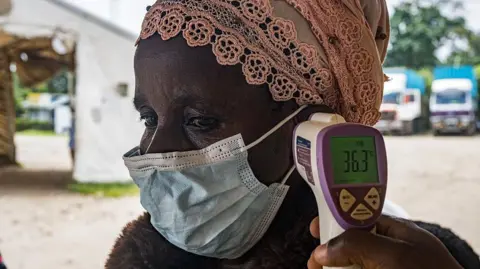
Fear has gripped populated areas throughout the region, with residents expressing deep anxiety about potential exposure and the adequacy of local medical responses. Community leaders report that many individuals are hesitant to seek medical care, worried about the conditions in overwhelmed health facilities and the risk of virus transmission in already crowded treatment centers. This reluctance to access healthcare paradoxically complicates containment efforts, as undiagnosed patients remain in communities where they can unknowingly spread the infection to family members and neighbors.
The Ebola virus has claimed numerous lives across the affected region, with mortality rates reflecting the severity of the outbreak and the challenges healthcare providers face in treating the disease. Each fatality represents not only a loss of life but also a potential epidemiological setback, as deceased patients may have had contact with dozens of other individuals before their diagnosis. The emotional toll on medical workers, who have witnessed the devastating impact of the virus and faced personal risk while treating patients, has become increasingly apparent.
International health organizations have stepped up their involvement in the crisis, sending teams of epidemiologists and disease specialists to bolster local response efforts. These external resources have proven essential in implementing enhanced surveillance protocols, establishing proper diagnostic facilities, and training local staff on infection prevention measures. However, the rapid pace of viral spread has continued to outpace the deployment of additional resources and expertise.
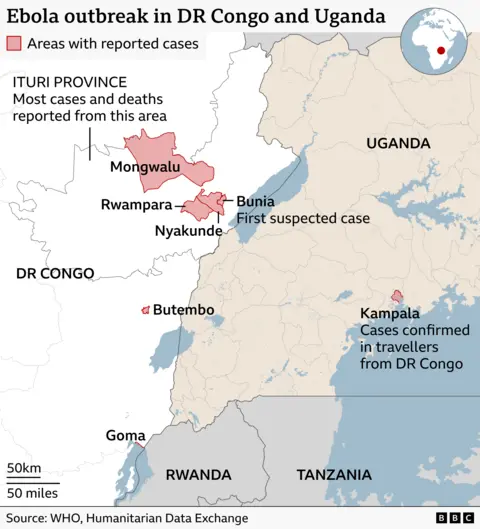
Complicating the public health response are the region's challenging geography and limited transportation infrastructure, which make it difficult for health officials to reach remote communities where cases may be occurring undetected. Some villages remain accessible only by foot or small boat during certain seasons, creating barriers to disease surveillance and preventing authorities from identifying cases before transmission can occur. These logistical challenges mean that the actual number of infections may exceed confirmed case counts, with undiagnosed patients potentially spreading the virus through rural areas with minimal contact with health authorities.
The outbreak has exacerbated existing tensions in a region already contending with armed conflict and displacement, as security concerns prevent health workers from accessing certain areas. Humanitarian organizations operating in the zone report that insecurity has created parallel crises, with displaced populations lacking access to adequate healthcare and living in conditions that facilitate rapid disease transmission. This intersection of medical emergency and security crisis has created an exceptionally complex operating environment for relief efforts.
Government authorities have implemented various public health measures aimed at slowing transmission, including public awareness campaigns emphasizing hygiene practices and the importance of reporting symptoms. However, the effectiveness of these campaigns varies considerably across the region, with messaging sometimes failing to reach individuals in remote areas or facing skepticism from communities with limited historical trust in government health institutions. Educational efforts must navigate cultural sensitivities while conveying critical safety information that could literally save lives.
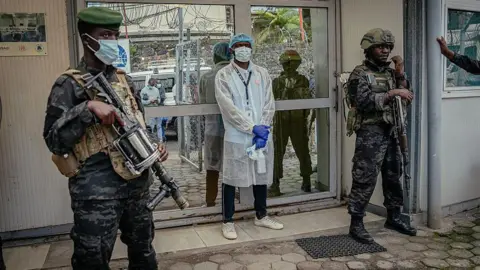
Healthcare facilities in affected areas have struggled to maintain adequate supplies of personal protective equipment, testing materials, and treatment medications necessary to provide safe care for Ebola patients. Supply chain disruptions have prevented the consistent availability of critical resources, forcing medical staff to reuse protective equipment and ration supplies in ways that compromise their own safety and care quality. The inadequacy of resources reflects broader challenges within the region's healthcare infrastructure, which was already overburdened before the outbreak.
The international community continues to monitor the situation closely, recognizing that any major outbreak in a densely populated region carries implications extending far beyond national borders. Health organizations have emphasized the importance of sustained commitment to response efforts, warning against premature reduction in resources or attention as the initial shock of the outbreak fades from public consciousness. Historical patterns suggest that outbreaks can resurge when vigilance decreases and prevention measures are relaxed.
Looking forward, authorities emphasize that controlling this outbreak will require sustained cooperation between governmental agencies, international health organizations, and local communities. The path forward demands not only immediate medical interventions but also longer-term investments in healthcare infrastructure, disease surveillance capabilities, and community trust that will determine the region's resilience to future health threats. The current crisis, devastating as it is, may ultimately drive necessary reforms in how the region prepares for and responds to infectious disease threats.

Source: BBC News


