
America Bids Farewell to Stephen Colbert's Late Show Era

Stephen Colbert's iconic Late Show comes to an end after decades on air. Celebrities and politicians pay tribute to the legendary host.
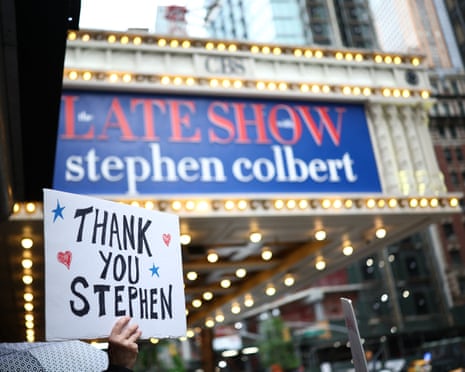
Stephen Colbert's Late Show has officially concluded its legendary run on Thursday evening, marking the end of an era in late-night television that began in 1993. The decision to cancel the iconic late-night program left many viewers emotional as they reflected on decades of memorable moments, incisive political commentary, and countless celebrity interviews that defined American pop culture.
The shutdown of the Late Show with Stephen Colbert came after CBS made what executives described as a financial decision, though industry observers have speculated about alternative reasons for the network's choice. Among the most prominent figures offering tributes to Colbert were entertainment legends like Jane Fonda and Bruce Springsteen, alongside political figures including President Joe Biden, each sharing heartfelt messages about the host's impact on television and American discourse.
Throughout its three-decade existence, the chatshow became a cultural touchstone, entertaining millions of viewers and establishing itself as a platform where serious political commentary seamlessly blended with comedic entertainment. The program's cancellation sparked considerable discussion about the state of late-night television and the changing landscape of network broadcasting in an era of streaming services and digital media consumption.
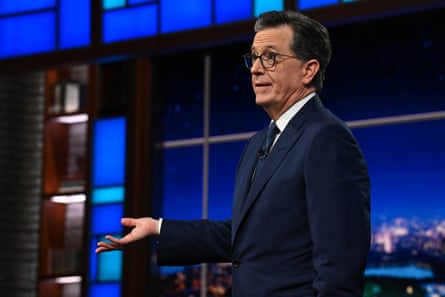
Stephen Colbert's journey to hosting the Late Show represented a significant evolution in his career, building on his earlier success with The Colbert Report. His distinctive comedic style, characterized by sharp wit and intellectual humor, attracted a dedicated audience that appreciated his willingness to tackle controversial topics with both levity and substance. The host's ability to balance entertainment with meaningful commentary on current events distinguished his program from many competitors in the crowded late-night television market.
The final episode served as a culmination of years of creative excellence and memorable moments that resonated with audiences across the political spectrum. Celebrity guests who appeared throughout the show's tenure expressed their appreciation for Colbert's professionalism and his genuine interest in engaging with his interview subjects. Many noted that despite the sometimes contentious political climate of recent years, Colbert maintained a comedic sensibility that allowed him to critique without completely alienating his targets.
New Yorkers particularly felt the impact of the show's conclusion, as the program had been taped at the Ed Sullivan Theater in Manhattan for many years, becoming an integral part of the city's entertainment infrastructure. The venue itself became iconic among fans who managed to secure tickets to tapings, many of whom traveled from across the country for the opportunity to witness the show being filmed live.
President Biden's tribute to Colbert highlighted the host's role in shaping political discourse during his tenure on air. Biden recognized not only Colbert's entertainment value but also his commitment to examining important issues that affected American citizens. The president's acknowledgment underscored how Colbert had transcended the traditional boundaries of late-night television to become a significant cultural commentator and political voice.
Jane Fonda's remarks emphasized Colbert's integrity and his refusal to compromise his values for the sake of ratings or network approval. The acclaimed actress and activist noted that Stephen Colbert never flinched when addressing difficult subjects or challenging powerful figures, even when doing so might have been commercially disadvantageous. This willingness to take principled stances earned him respect from colleagues and viewers alike, establishing him as more than just an entertainer but as a thoughtful observer of the contemporary American scene.
Bruce Springsteen's contribution to the farewell reflected the deep connections Colbert had formed with musicians and artists throughout his career. The Rock and Roll Hall of Famer emphasized how the Late Show provided a platform for musicians to share their work and perspectives with a broad national audience. Springsteen's tribute highlighted the show's importance in bridging the gap between popular entertainment and serious cultural discourse, a space that the Late Show with Stephen Colbert uniquely occupied in the television landscape.
The cancellation decision by CBS reportedly came down to financial considerations as the network evaluated its portfolio of programming and advertising revenue streams. However, speculation persisted among media observers that the network's reported warming relationship with political figures whom Colbert had consistently criticized may have influenced the timing and nature of the decision. Regardless of the underlying motivations, the network's choice to end the program marked a turning point in late-night television programming strategy.
Throughout his tenure as host, Colbert demonstrated an exceptional ability to make audiences laugh while simultaneously engaging them in substantive discussions about politics, culture, and society. His unique comedic approach, which combined elements of satire, political analysis, and traditional talk-show banter, created a format that appealed to viewers seeking intelligent entertainment. The host's commitment to his craft was evident in the meticulous preparation he brought to each episode and his genuine interest in his guests' perspectives and experiences.
The Late Show departure represents a significant loss for audiences who valued its particular brand of commentary and entertainment. As the network landscape continues to shift and evolve, the absence of Colbert's distinctive voice will be felt by millions of viewers who relied on his program to process and contextualize the events shaping American society. The show's conclusion marks the end of a chapter in television history that redefined what late-night programming could accomplish when hosted by someone with both comedic talent and intellectual substance.
Looking back at the show's legacy, critics and fans alike recognized that Colbert's Late Show occupied a unique space in the television ecosystem. It served as both entertainment and commentary, providing viewers with humor and insight in equal measure. The program's influence extended beyond its immediate audience, shaping conversations about media, politics, and culture in the broader public discourse.
As America says goodbye to this chapter of late-night television history, the tributes from figures like Biden, Fonda, and Springsteen underscore the profound impact Colbert's work has had on American culture. His commitment to authenticity and his refusal to shy away from important issues established a standard for what late-night television could be when hosted by someone willing to balance entertainment with meaningful engagement with the issues of our time.
Source: The Guardian


