
LaGuardia Airport Runway Shut Down by Sinkhole

A sinkhole discovered at New York's LaGuardia Airport forces runway closure. Emergency crews work to assess damage and complete repairs.
A significant sinkhole at LaGuardia Airport forced the closure of a critical runway on Wednesday morning, prompting an immediate response from emergency response teams and airport operations personnel. The discovery disrupted normal flight operations at one of the New York area's busiest transportation hubs, which serves millions of domestic travelers annually. Airport officials immediately initiated emergency protocols to assess the structural integrity of the affected runway and determine the safest course of action for repairs.
The sinkhole was discovered at approximately 11am near runway 4/22 during the airport's routine daily morning inspection procedures, according to an official announcement posted on X by LaGuardia Airport authorities. The timing of the discovery during standard operational checks allowed airport personnel to quickly mobilize resources and prevent potential safety hazards to aircraft and ground operations. This proactive detection underscores the importance of regular infrastructure maintenance and inspection protocols at major aviation facilities.
LaGuardia Airport, which primarily handles domestic travel operations for the New York metropolitan area, experienced significant operational adjustments following the sinkhole's discovery. The airport's operator immediately coordinated with maintenance crews, engineering teams, and aviation safety officials to develop a comprehensive repair strategy. Flight operations were carefully managed to accommodate the runway closure while maintaining the airport's overall capacity to serve passengers and maintain its critical role in regional transportation infrastructure.
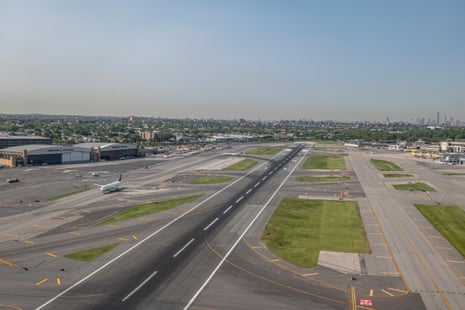
Emergency crews worked diligently to understand the root cause of the runway sinkhole formation, which could have resulted from various geological, meteorological, or structural factors. Preliminary investigations focused on subsurface conditions, water infiltration patterns, and underlying soil stability in the affected area. The comprehensive nature of the assessment reflected the complexity of maintaining large-scale airport infrastructure and the multiple variables that can contribute to sudden ground failures.
The discovery and closure of runway 4/22 highlighted the critical importance of infrastructure maintenance at major commercial aviation facilities serving millions of passengers annually. Airport operational procedures ensured that the sinkhole was properly documented, photographed, and assessed before any repair work commenced. The systematic approach to addressing the issue reflected established protocols designed to maintain both safety and operational efficiency at busy transportation hubs.
LaGuardia Airport's response demonstrated the sophisticated infrastructure management systems required at modern commercial airports handling hundreds of daily flights. The emergency crew mobilization included structural engineers, geotechnical specialists, and safety personnel who worked collaboratively to develop repair solutions. This multidisciplinary approach ensured that all potential complications were identified and addressed before repairs began.
The closure of runway 4/22 had cascading effects on flight scheduling, gate assignments, and ground operations throughout the airport complex. Airport management implemented contingency procedures to redistribute incoming and outgoing flights across remaining operational runways, maintaining service levels despite the significant infrastructure challenge. The coordination required to manage these adjustments underscored the complex logistical operations supporting major urban airports.
The sinkhole incident at LaGuardia raised important questions about infrastructure aging, maintenance funding, and the vulnerability of critical transportation facilities to sudden ground failures. Many major airports across the United States face similar challenges with aging infrastructure built decades ago, requiring substantial investment in inspection and preventive maintenance programs. The LaGuardia discovery contributed to broader discussions about infrastructure investment and the costs of maintaining world-class aviation facilities.
Repair work commenced immediately following the preliminary assessment, with specialized equipment and crews deployed to address the ground failure. The repair timeline and complexity depended on factors including sinkhole depth, surrounding soil conditions, and necessary foundation reinforcement measures. Airport officials committed to completing repairs as quickly as possible while maintaining the highest safety standards for resumed flight operations.
Throughout the incident, LaGuardia Airport maintained transparent communication with airlines, ground service providers, and the traveling public about the situation and expected impacts. Regular updates provided critical information about runway closure duration, alternative routing procedures, and steps being taken to resolve the issue. This proactive communication approach helped minimize passenger disruption and maintained confidence in airport operations.
The runway closure impact extended beyond LaGuardia itself, potentially affecting connecting flights, airline scheduling, and passenger travel plans throughout the northeastern United States. Airlines worked closely with airport officials to adjust flight operations, accommodate displaced passengers, and maintain service to other destinations. The incident demonstrated the interconnected nature of modern air transportation networks and how disruptions at major hubs cascade through the entire aviation system.
As repair efforts progressed, engineers conducted comprehensive analysis of surrounding runway areas to identify any additional structural concerns or potential future sinkhole risks. This preventive approach helped ensure that similar incidents could be prevented through enhanced monitoring and maintenance protocols. The incident reinforced the necessity for continued investment in airport infrastructure assessment and improvement programs.
The successful resolution of the LaGuardia sinkhole incident demonstrated the emergency response capabilities of major metropolitan airports and the coordination between airport authorities, government agencies, and private contractors. The rapid identification, assessment, and remediation of the ground failure prevented more serious complications and maintained the airport's ability to serve the traveling public. This incident served as a reminder of the critical importance of routine inspections and proactive maintenance at essential transportation infrastructure.
Source: The Guardian


