
US Charges Raúl Castro in 1996 Plane Downing Case

The U.S. government has filed charges against Cuba's Raúl Castro and five others in connection with the deadly 1996 downing of civilian aircraft over the Straits of Florida.
In a significant development in Cold War-era diplomatic tensions, the United States has filed criminal charges against Raúl Castro, the former leader of Cuba, along with five additional individuals in connection with the fatal downing of two civilian aircraft in 1996. The charges represent a dramatic escalation in the legal consequences surrounding one of the most contentious incidents in modern U.S.-Cuba relations, bringing renewed attention to an event that claimed the lives of four Americans and intensified hostilities between the two nations.
The indictment encompasses serious accusations, including conspiracy to murder U.S. nationals, actual murder charges, and destruction of aircraft offenses. These charges stem from the February 24, 1996 incident, when Cuban military jets intercepted and shot down two civilian aircraft operated by Brothers to the Rescue, a Miami-based humanitarian organization that conducted search-and-rescue missions for Cuban refugees attempting to flee the island nation.
The incident resulted in the immediate deaths of four U.S. citizens aboard the planes, sparking international outrage and prompting the Clinton administration to impose additional economic sanctions against Cuba. The downing of the aircraft occurred in international airspace over the Florida Straits, making it particularly controversial and damaging to diplomatic relations between Washington and Havana.
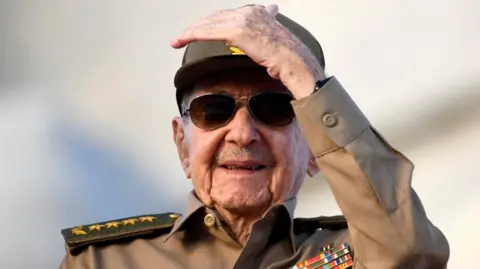
The charges against Castro and his co-defendants appear to represent a formal acknowledgment of responsibility and intent to prosecute those deemed responsible for ordering or executing the military operation. The former Cuban leader, who served as president of Cuba from 2008 until his retirement in 2018 and previously held power as Minister of the Revolutionary Armed Forces, stands accused alongside military and government officials who were involved in the decision-making process surrounding the air defense operation.
Legal experts note that this prosecution effort, though potentially symbolic given Castro's advanced age and Cuba's lack of extradition treaties with the United States, serves as an important statement regarding international law and accountability for war crimes. The charges underscore the U.S. government's position that the incident constituted a violation of international aviation norms and represented an unjustified act of aggression against civilian targets.
The Brothers to the Rescue organization, which operated primarily during the 1990s, became increasingly controversial in Cuba as it expanded its operations beyond traditional rescue missions. Cuban authorities viewed the organization's activities as provocative and argued that the aircraft frequently violated Cuban airspace, though this claim remained disputed by international observers and U.S. officials who maintained that the planes remained in international waters.

The timing of these charges raises important questions about the U.S. government's strategic approach to Cuba relations and Cold War accountability. Nearly three decades after the incident, the decision to formally indict Castro and his associates suggests a shift in how American officials view their options for addressing historical grievances with the Cuban government, particularly given the current geopolitical climate and ongoing tensions between the two nations.
The families of the four deceased Americans—Armando Alejandre Jr., Carlos Costa, Mario de la Peña, and Pablo Morales—have long sought justice and official recognition of the incident. This indictment provides a formal legal framework for addressing their demands, even though the practical enforcement of these charges remains highly uncertain given the diplomatic complexities involved and Castro's status as a former government leader.
International law specialists point out that the prosecution of former government officials for military decisions made in their official capacity raises complex jurisdictional and immunity questions. However, U.S. prosecutors have argued that the targeting of civilian aircraft and non-combatants falls outside the scope of lawful military operations and therefore cannot be protected by sovereign immunity or official acts doctrines.
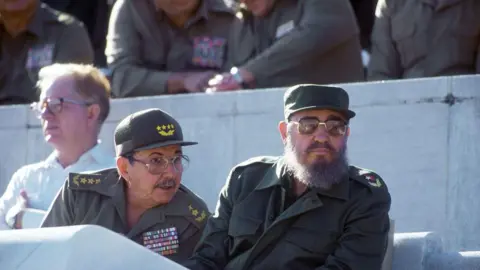
The indictment details the alleged coordination among multiple defendants in planning and executing the military operation. Prosecutors contend that the decision to shoot down the aircraft represented a deliberate choice to eliminate perceived political opponents and humanitarian workers, rather than a justified military response to a genuine threat. This characterization remains fundamentally disputed by Cuban government officials, who have maintained that the downing was a legitimate act of national defense.
The broader implications of these charges extend beyond the immediate case, potentially affecting future U.S. policy toward Cuba and the willingness of other nations' leaders to engage in diplomatic negotiations with the United States. Some analysts suggest that the prosecution effort may harden positions on both sides and complicate any potential efforts to normalize relations or negotiate outstanding disputes between the two countries.
The case also highlights the enduring legacy of U.S.-Cuba tensions in international relations and the difficulties in achieving closure on historical incidents that carry significant emotional weight and political importance for affected populations. The families of the victims, Cuban-American communities in Florida, and human rights advocates have all maintained ongoing interest in ensuring accountability for the incident.
Legal proceedings are expected to continue through federal courts, with prosecutors presenting evidence of the planning, authorization, and execution of the military operation. Defense arguments will likely focus on the sovereign immunity of government actions, the interpretation of international law regarding airspace violations, and questions about the jurisdiction of U.S. courts over foreign military operations conducted outside American territory.
The charges represent a substantial commitment of prosecutorial resources and reflect the determination of U.S. authorities to address what they characterize as unlawful acts of violence against American citizens. Whether the case ultimately results in convictions, settlements, or remains a matter of ongoing legal dispute, it will undoubtedly remain a significant chapter in the complex history of American-Cuban relations and the persistent efforts to achieve accountability for Cold War-era incidents.
Source: BBC News


