
Infectious Diseases Spreading Faster, Causing More Damage

Global health experts warn infectious disease outbreaks are becoming increasingly frequent and destructive. New pandemic report reveals world unprepared for emerging threats.
The world faces an escalating crisis as infectious disease outbreaks continue to accelerate in both frequency and severity, according to alarming new findings from leading health organizations. Health authorities across Africa are currently engaged in urgent containment efforts as an Ebola outbreak spreads across the Democratic Republic of the Congo and Uganda, underscoring the vulnerabilities exposed by recent global health challenges. Experts emphasize that this situation represents not an isolated incident, but rather a symptom of a larger, more troubling trend affecting pandemic preparedness worldwide.
The Global Preparedness Monitoring Board (GPMB), an authoritative international body focused on disease surveillance and public health readiness, has issued a stark warning in its latest comprehensive assessment. Their recently published report highlights a critical gap between the rising frequency of disease outbreaks and the world's collective capacity to respond effectively. The organization emphasized that pandemic risk is expanding at a pace that far outstrips current investments in preparedness infrastructure and response mechanisms, leaving nations vulnerable to both known pathogens and emerging threats.
According to the GPMB's findings, infectious diseases such as hantavirus, Ebola, and other zoonotic pathogens are not only becoming more common occurrences on the global stage but are also producing increasingly severe consequences when they do emerge. The report's stark conclusion states that "as infectious disease outbreaks become more frequent they are also becoming more damaging," a sobering assessment that reflects the interconnected nature of modern disease transmission. This dual threat—increased frequency combined with heightened impact—presents an unprecedented challenge to public health systems already strained by competing priorities and limited resources.

The relationship between environmental degradation, urbanization, and disease emergence has become increasingly evident to researchers studying pandemic origins. As human populations expand into previously untouched ecosystems and agricultural practices intensify across the globe, opportunities for pathogens to jump from animal reservoirs to human populations multiply exponentially. Disease surveillance networks are detecting these spillover events more frequently, but detection alone is insufficient without corresponding improvements in rapid response capabilities and resource allocation.
The current Ebola situation in Central Africa serves as a concrete example of the challenges outlined in the GPMB report. Health teams working in both the Democratic Republic of the Congo and Uganda face significant obstacles in their containment efforts, ranging from limited laboratory capacity to difficulties implementing isolation protocols in areas with insufficient medical infrastructure. The speed at which the virus has spread in some communities demonstrates how quickly disease can propagate when pandemic preparedness measures are inadequate or inconsistently applied across borders.
Investment gaps represent another critical concern identified by health experts monitoring the global response capacity. While billions of dollars are spent annually on healthcare, the proportion dedicated specifically to outbreak prevention and rapid response systems remains disproportionately small relative to the demonstrated threat. Many developing nations, which often face the highest burden of emerging infectious diseases, lack the financial resources to establish robust surveillance networks, train specialized response teams, and maintain stockpiles of medical countermeasures necessary for effective outbreak containment.
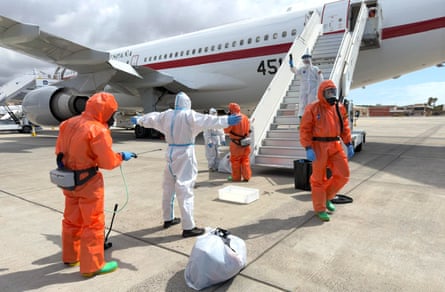
The GPMB report emphasizes that despite years of discussion following previous pandemic events, the world has not achieved meaningful improvements in overall resilience to disease threats. The assessment notes that "the world is not yet meaningfully safer," a damning indictment of global health governance and preparedness structures. This conclusion reflects the reality that many of the recommendations from previous pandemic preparedness reviews have not been fully implemented or adequately funded across different regions and countries.
Experts point to several interconnected factors driving the increased frequency of infectious disease emergence. Climate change is altering the habitats and migration patterns of disease-carrying animals, extending the geographic range of pathogens previously confined to specific regions. Simultaneously, international travel and trade create multiple pathways for rapid disease dissemination once spillover occurs. These epidemiological realities demand a comprehensive rethinking of how nations approach public health security and disease prevention strategies.
The severity of individual outbreaks is also being amplified by social and economic factors. Regions experiencing poverty, malnutrition, and limited access to healthcare services provide ideal conditions for rapid viral transmission and more severe clinical outcomes. Additionally, vaccine hesitancy in some populations and misinformation about disease prevention can undermine containment efforts even when adequate medical resources are theoretically available. These societal dimensions of disease control require not only technical public health responses but also sustained community engagement and health communication efforts.

Looking forward, the GPMB stresses that transformative changes are necessary in how the global community approaches infectious disease management and pandemic prevention. This includes significant increases in funding for surveillance infrastructure, research into emerging pathogens, and development of medical countermeasures. Countries must also prioritize cross-border cooperation and information sharing, recognizing that infectious disease threats respect no political boundaries and require coordinated international responses.
The timing of the latest Ebola outbreak in Uganda and the Democratic Republic of the Congo, coinciding with publication of the GPMB's assessment, illustrates the urgent relevance of these warnings. Health authorities are working intensively to trace contacts, implement isolation protocols, and prevent further community transmission. However, these reactive measures, while necessary, ultimately represent a failure to prevent disease emergence in the first place—a situation that improved preparedness investments could help mitigate in future outbreaks.
The path forward requires sustained political will and financial commitment from developed nations alongside capacity building in regions most vulnerable to disease emergence. International organizations, national governments, and private sector partners must align their efforts toward the shared goal of reducing pandemic risk. Until investment levels match the demonstrated threat level, experts caution, outbreaks will likely continue their troubling trend of increased frequency and severity, perpetually testing the limits of a global health system that remains inadequately prepared for the challenges it faces.


