
Gray Whales in Peril: Uncovering the Causes in San Francisco's Waters

US scientists investigate the alarming rise in gray whale deaths in San Francisco's coastal waters, as climate change and migration patterns pose new research challenges.
San Francisco's coastal waters have become the unexpected stage for a troubling marine mystery. In recent years, gray whales, once a common sight in these waters, have been dying at an alarming rate, leaving scientists scrambling to uncover the underlying causes.
The gray whale, a majestic marine mammal known for its iconic gray-and-white coloration and its impressive migratory journeys, has long been a familiar and cherished presence in the waters off the California coast. However, the tide has turned, and researchers are now grappling with a surge in gray whale deaths within the San Francisco Bay area.
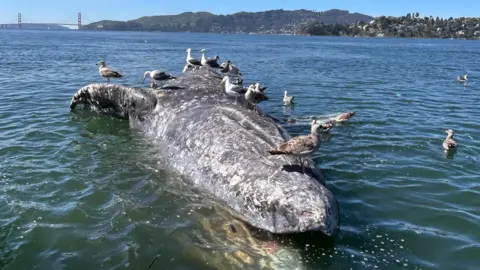
According to the National Oceanic and Atmospheric Administration (NOAA), the number of stranded gray whales along the West Coast has increased dramatically in recent years, with the majority of these incidents occurring in the San Francisco Bay region. This spike in whale mortalities has left scientists puzzled, prompting them to embark on a comprehensive investigation to uncover the underlying causes.
One of the primary suspects in this marine mystery is the changing climate and its impact on the whales' migration patterns. As global temperatures rise and ocean currents shift, the traditional feeding and migratory routes of gray whales are being disrupted, forcing them to venture into unfamiliar territory in search of sustenance.
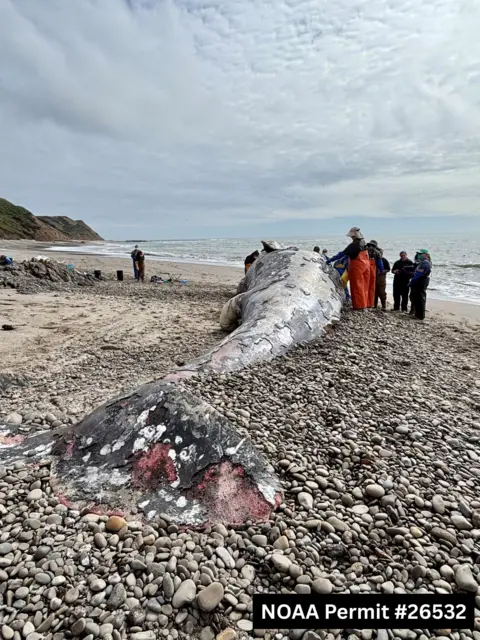
Scientists believe that these altered migration patterns may be contributing to the increase in gray whale deaths, as the whales struggle to adapt to the changing environmental conditions. Additionally, the influx of gray whales into new areas may be leading to increased interactions with human activities, such as vessel traffic and coastal development, further exacerbating the threats they face.
Another potential factor behind the spike in gray whale deaths is the depletion of their primary food source. Gray whales are bottom-feeders, primarily subsisting on small crustaceans and other marine life found in the seafloor sediments. However, climate change-induced shifts in ocean temperatures and currents may be disrupting the delicate balance of these ecosystems, leading to a decline in the availability of the whales' preferred prey.

As scientists continue to investigate the complex web of factors contributing to the gray whale crisis, they are also grappling with the broader implications of these events. The gray whale's plight serves as a poignant reminder of the profound impact that human-induced climate change and environmental disruption can have on the delicate balance of marine ecosystems.
The research opportunities presented by this troubling phenomenon are not without their challenges, as the scientists must navigate the logistical complexities of studying a highly migratory species in a dynamic coastal environment. Nevertheless, the urgency of understanding and addressing the gray whale crisis has galvanized a concerted effort among researchers, conservation organizations, and policymakers to uncover the root causes and develop effective strategies for protecting these majestic creatures.
As the world grapples with the far-reaching consequences of climate change, the plight of the gray whales in San Francisco's waters serves as a powerful reminder of the interconnectedness of our planet and the pressing need to safeguard the delicate balance of our marine ecosystems. The lessons learned from this investigation may hold the key to ensuring the long-term survival of the gray whale and countless other species that face uncertain futures in the face of a rapidly changing climate.
,Source: BBC News


