
Ebola Crisis: WHO Declares Emergency as Cases Surge

WHO declares public health emergency as Ebola outbreak spreads across DRC and Uganda. Cases mount rapidly with first US infection confirmed.
A significant Ebola outbreak initially identified in the Democratic Republic of the Congo on Friday has rapidly transformed into a widespread, difficult-to-contain crisis affecting multiple nations across the African continent. Health officials and international organizations are expressing serious concern about the speed and geographic scope of transmission, which indicates the virus may be spreading faster than initial assessments suggested.
According to the most recent epidemiological data compiled by the US Centers for Disease Control and Prevention as of May 17, the situation presents a troubling picture of escalating infections. The DRC has documented 10 confirmed cases alongside 336 suspected cases and 88 confirmed deaths, while neighboring Uganda has reported two confirmed cases and one fatality. These figures have prompted rapid international attention and coordinated response efforts among global health authorities and infectious disease specialists monitoring the situation closely.
The current outbreak's scale already positions it within the upper tier of recorded Ebola epidemics by case numbers, though medical historians note it remains significantly smaller than the catastrophic 2014–2016 West African pandemic. That devastating outbreak claimed over 28,000 confirmed cases and resulted in approximately 11,000 deaths across Guinea, Liberia, and Sierra Leone, fundamentally changing how the world approaches viral hemorrhagic fever prevention and containment strategies.
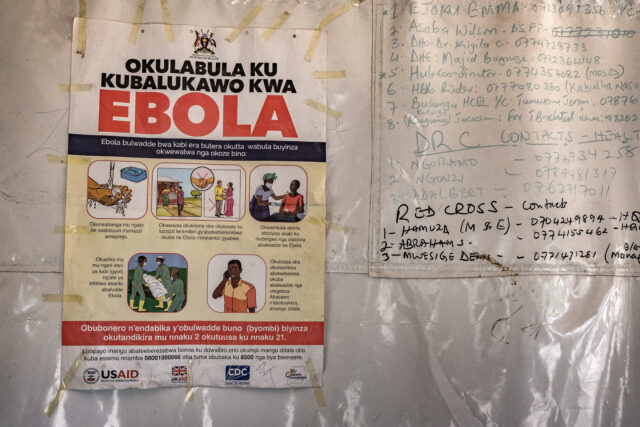
The rapid escalation prompted immediate international action and heightened surveillance protocols. On Sunday, the World Health Organization convened emergency meetings and made a critical determination regarding the outbreak's global significance. The WHO declared the outbreak a public health emergency of international concern (PHEIC), activating elevated alert levels and triggering coordinated international response mechanisms designed to contain highly transmissible infectious diseases with pandemic potential.
In announcing the PHEIC designation, WHO Director-General Tedros Adhanom Ghebreyesus outlined multiple concerning factors that prompted the emergency declaration. Beyond the immediate concerning case numbers, the director-general highlighted the emergence of geographically clustered suspected cases and deaths across multiple distinct health zones within the DRC, indicating widespread community transmission rather than isolated incidents. Particularly alarming was the documentation of four deaths among healthcare workers, suggesting inadequate infection control measures or occupational exposure in clinical settings, a development that historically correlates with more severe outbreaks.
Adding to the complexity and international concern, epidemiological investigations revealed unexpected absence of apparent epidemiological links between geographically distant case clusters and suspected transmission chains. This finding suggests either active, undetected transmission occurring between regions or potential super-spreader events that bypass traditional contact tracing methodologies. These features collectively paint a picture of an outbreak that appears substantially larger than initial case counts might suggest, with significant potential for continued geographic expansion.
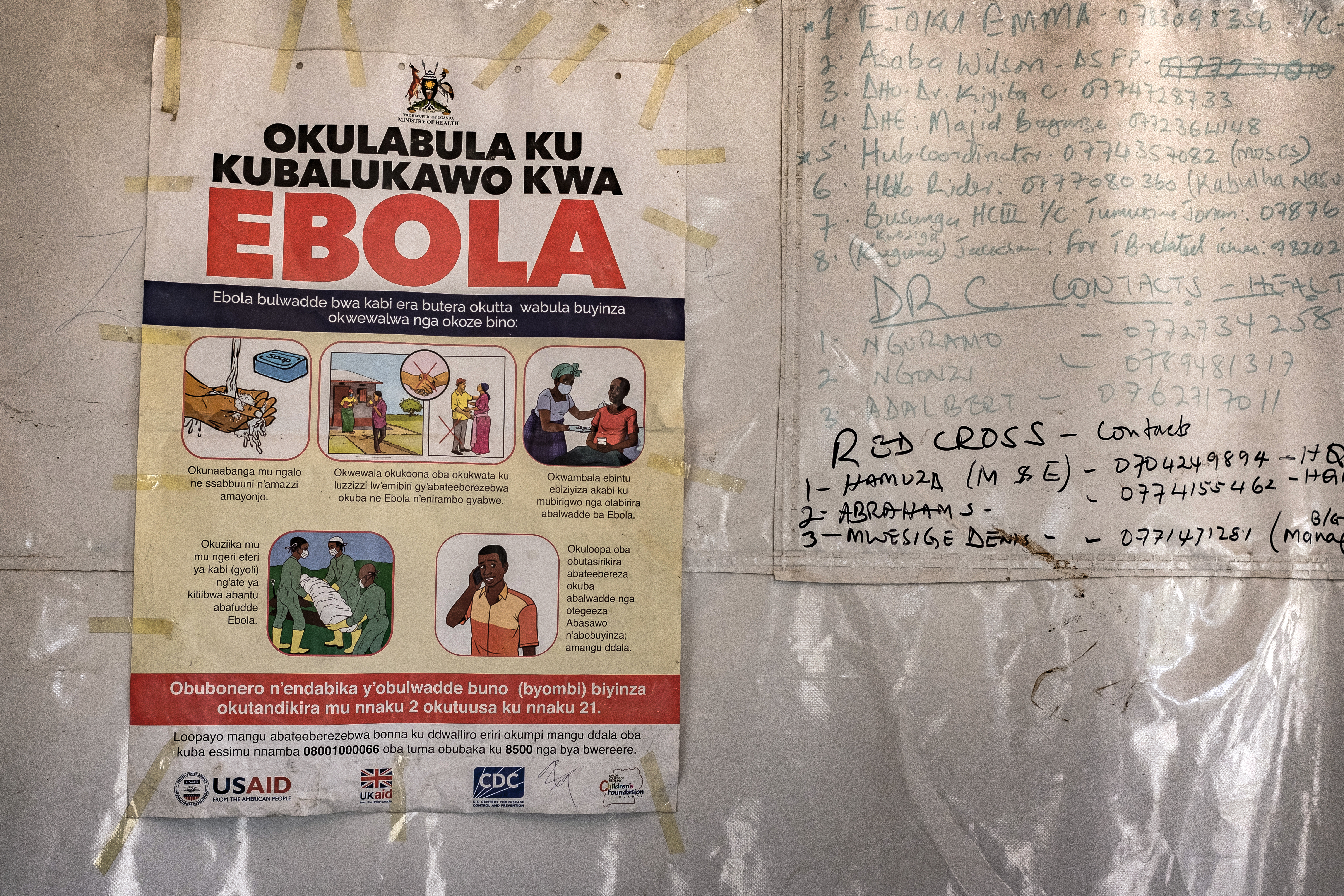
The Ebola virus situation prompted immediate policy responses from governments worldwide, including the United States, which moved quickly to implement travel restrictions and border health screening measures. US health authorities confirmed that an American citizen had contracted the virus, marking the first confirmed case among US residents and elevating domestic concern about potential spread within American healthcare systems. This development triggered rapid activation of emergency preparedness protocols at major medical centers and infectious disease units across the country.
Public health officials emphasized that the virus transmission occurs through direct contact with blood or bodily fluids of infected individuals or deceased persons, or indirectly through contaminated environments. While the risk of international transmission remains present, health authorities stressed that early detection, rapid isolation, and supportive medical care significantly improve patient survival outcomes. Healthcare facilities worldwide were placed on heightened alert to identify potential cases and implement strict infection prevention measures to prevent nosocomial transmission.
The international response mobilization reflected lessons learned from previous outbreaks and represented a coordinated effort involving multiple governmental agencies, non-governmental organizations, and private sector partners. Resources were rapidly deployed to affected regions to support laboratory capacity, case identification, contact tracing operations, and community education initiatives designed to reduce transmission risk. Medical teams from various nations coordinated logistics to ensure adequate supplies of protective equipment and therapeutics reached frontline healthcare workers operating under dangerous conditions.

The CDC presence and continuous monitoring in the region provided critical real-time epidemiological data that informed international response strategies. The agency's on-the-ground teams worked collaboratively with local health ministries to establish case definitions, implement standardized reporting protocols, and coordinate field investigations into suspected transmission chains. This partnership model, developed during previous outbreaks, proved essential for generating the accurate situational awareness required for effective policy decisions and resource allocation.
Understanding the clinical presentation and progression of Ebola disease remained critical for healthcare workers tasked with identifying suspect cases. The virus typically presents with sudden onset of fever, intense weakness, and muscle pain, progressing to rash, impaired kidney and liver function, and in some cases, internal and external bleeding. The incubation period typically ranges from two to twenty-one days, creating a window where infected individuals may unknowingly transmit the virus during their asymptomatic or mildly symptomatic phase.
The declaration of a public health emergency underscored the seriousness of the situation while simultaneously activating international financing mechanisms and diplomatic channels to support affected nations. The PHEIC designation, while not equivalent to a pandemic declaration, signals that the outbreak poses significant risk to multiple countries and requires coordinated international intervention beyond the capacity of individual nations. Previous experiences demonstrated that rapid, well-coordinated international responses substantially reduce outbreak duration and final case fatality rates.
Looking forward, health authorities emphasized that sustained vigilance, continued disease surveillance, and maintenance of public trust through transparent communication would prove essential for controlling the outbreak. The international community's response would likely face significant challenges related to healthcare infrastructure limitations, vaccine availability constraints, and potential vaccine hesitancy in affected communities. However, the rapid recognition of the emergency and immediate mobilization of resources demonstrated the commitment of global institutions to preventing the outbreak from reaching the catastrophic scale of previous epidemics.
Source: Ars Technica


