
DRC Ebola Outbreak: Testing Last Crisis Lessons

New Bundibugyo variant Ebola outbreak in DRC revives old fears of conflict, mistrust, and detection delays as WHO mobilizes response efforts.
The emergence of a fresh Ebola outbreak in the Democratic Republic of Congo has brought back haunting memories of previous epidemics, as health authorities grapple with the challenges posed by the Bundibugyo variant. This new crisis threatens to test the resilience of public health systems that have been strengthened since the devastating 2018-2020 outbreak, yet face mounting pressures from ongoing regional conflicts and deeply rooted community mistrust. The situation underscores how fragile disease containment remains when it must compete with security threats, limited resources, and population skepticism about medical interventions.
Walking through the corridors of facilities responding to Ebola virus cases requires adaptation to an overwhelming sensory experience dominated by the acrid smell of chlorine. Throughout treatment centers, hospitals, and government administrative buildings, surfaces are routinely disinfected with chlorine-based solutions designed to eliminate the pathogen. Healthcare workers and visitors undergo hand sanitization protocols using a carefully calibrated 0.05% chlorine solution, proven capable of neutralizing the virus in just 60 seconds, creating a constant reminder of the invisible threat being combated.
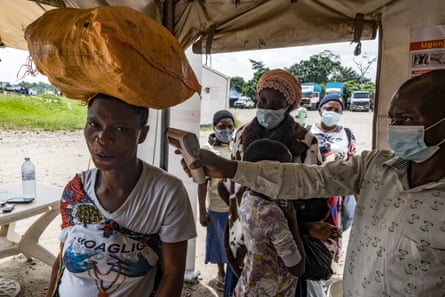
Temperature screening has become a ubiquitous feature at critical border points, airports, and major transportation hubs across affected regions. Infrared handheld thermometers are deployed by trained personnel to detect elevated body temperatures that could indicate infection. Any fever reading automatically triggers quarantine procedures and prevents individuals from crossing borders, effectively creating a barrier against potential virus spread. These checkpoint measures represent a first line of defense, though their effectiveness depends heavily on consistent implementation and proper calibration of equipment.
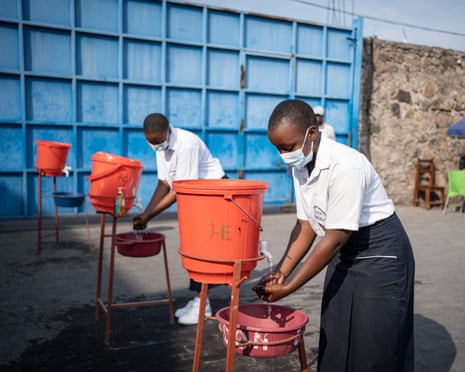
Beyond these visible containment measures, extensive contact-tracing operations have been mobilized across rural and urban areas of the DRC. Dedicated teams of trained epidemiologists and health workers systematically move through communities, identifying individuals who may have come into contact with confirmed cases. This labor-intensive approach requires meticulous documentation, community cooperation, and sustained fieldwork even in regions where insecurity and limited infrastructure complicate logistics. The success of contact tracing directly determines how quickly transmission chains can be interrupted and further spread prevented.
The current outbreak arrives at a moment when institutional memory from the previous Ebola epidemic response remains relatively fresh among public health officials and medical professionals. Between 2018 and 2020, the DRC experienced one of the most severe Ebola outbreaks in history, claiming over 2,200 lives and forcing the deployment of experimental vaccines and extensive international medical assistance. That experience generated crucial insights about disease transmission, treatment protocols, vaccination strategies, and community engagement approaches that are now being applied to the current situation. However, the passage of time has also dulled some of the urgency and sustained funding that characterized that response period.
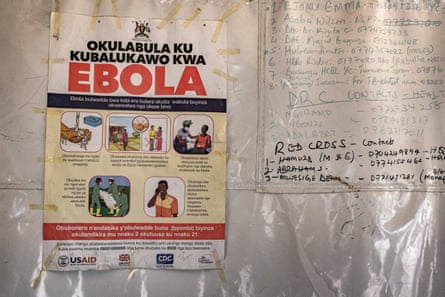
One of the most significant obstacles facing current response efforts stems from the persistent atmosphere of community mistrust that characterizes many affected regions. Previous outbreaks witnessed instances where local populations expressed skepticism about medical treatments, vaccine campaigns, and the veracity of health warnings, partly due to historical experiences of exploitation and partly due to misinformation campaigns. Rebuilding confidence requires sustained dialogue with community leaders, demonstration of transparent practices, and visible evidence that interventions genuinely benefit local populations rather than serving external interests. This trust-building process cannot be rushed and fundamentally undermines rapid response capabilities.
The backdrop of regional conflict adds another layer of complexity to disease containment efforts in the DRC and neighboring countries. Active armed conflicts displace populations, disrupt healthcare infrastructure, and create environments where virus transmission accelerates amid crowded conditions with limited sanitation. Military activity and insecurity prevent health workers from accessing certain areas, disrupting treatment services and disease surveillance systems that depend on comprehensive reporting. Furthermore, displaced persons moving across borders to escape violence can inadvertently carry infections across international boundaries, creating cross-border transmission challenges that require coordinated regional responses.
The World Health Organization has mobilized a relatively swift response to the current outbreak, activating emergency protocols and deploying technical expertise to support the DRC's Ministry of Health. This rapid international engagement reflects lessons learned about the critical importance of early intervention and demonstrates improved preparedness mechanisms developed since 2018. WHO personnel coordinate with national authorities on surveillance enhancement, laboratory confirmation of suspected cases, provision of personal protective equipment, and logistical support for case management. The organization also facilitates knowledge transfer from previous outbreak responses and helps prevent well-intentioned but uncoordinated international interventions that can overwhelm national systems.
Detection delays represent perhaps the most pressing vulnerability in current response efforts, as cases that go unrecognized in early stages of illness continue circulating in communities and potentially infecting additional contacts. The initial Bundibugyo variant cases may have circulated undetected for weeks before confirmation, during which transmission chains expanded beyond what early rapid response could have prevented. Strengthening early detection capabilities requires functional laboratory networks, trained healthcare workers capable of recognizing Ebola symptoms among patients with similar presentations, and reporting systems that quickly escalate suspected cases for confirmation and investigation. Many remote areas lack adequate laboratory capacity, necessitating sample transport to distant facilities that adds days to confirmation timelines.
The Bundibugyo variant itself presents specific characteristics that warrant particular attention from epidemiologists monitoring outbreak dynamics. While generally considered less severe than some other Ebola species, Bundibugyo has demonstrated human-to-human transmission capability and historically lower case fatality rates compared to the Zaire strain responsible for most devastating outbreaks. Understanding variant-specific transmissibility, clinical presentation patterns, and treatment response remains crucial for optimizing therapeutic approaches and tailoring public communication strategies. However, lower perceived severity can paradoxically complicate response efforts by reducing perceived urgency among populations previously traumatized by deadlier strains.
Vaccine availability represents another critical factor influencing outbreak trajectory, as proven Ebola vaccination strategies developed during previous outbreaks can significantly reduce transmission rates when deployed strategically around confirmed cases. Ring vaccination approaches, where contacts and healthcare workers surrounding cases receive immunization, have demonstrated effectiveness in interrupting transmission chains. However, vaccine supply remains limited, requiring careful prioritization decisions about which populations should receive doses first, and ongoing vaccine hesitancy in some communities necessitates continued education and trust-building alongside vaccination campaigns.
The sustainability of response efforts over the coming months will depend on continued international support, sustained domestic funding, and maintained political commitment from DRC authorities. Previous outbreak responses encountered periods where international attention and resources dwindled before the epidemic was fully contained, creating dangerous gaps in response capacity. Current efforts must avoid this pattern by securing multi-year commitments to disease surveillance, laboratory strengthening, healthcare worker training, and community engagement that extend well beyond the acute outbreak phase. These systemic improvements ultimately provide the most enduring protection against future outbreaks regardless of which pathogen emerges.
Source: The Guardian


