
China Denounces US 'Threats' Over Cuba Ex-Leader Charges

China criticizes United States over charges against Cuba's former leader, escalating diplomatic tensions in Western Hemisphere politics.
China has issued a sharp rebuke of the United States, calling on Washington to cease what Beijing characterizes as threats against Cuba following the American indictment of the island nation's former leader. The diplomatic clash represents yet another flashpoint in the increasingly complex relationship between Washington and Havana, with international players weighing in on the contentious legal proceedings unfolding in federal courts.
The US charges against Cuba's ex-leader mark a significant escalation in the long-standing tensions between the two neighboring nations separated by the Florida Strait. The indictment centers on serious allegations of murder, bringing renewed focus to historical grievances and unresolved legal matters between the countries. This legal action represents part of a broader pattern of American pressure on the Cuban regime, according to analysts tracking the geopolitical situation in the Caribbean region.
Chinese officials have characterized American actions toward Cuba as hostile and interventionist, positioning Beijing as a defender of smaller nations against what it views as Western imperialism. This rhetorical stance aligns with China's broader foreign policy approach of building alliances among countries it perceives as targets of American pressure or sanctions. The statement underscores the triangular relationship developing between Washington, Beijing, and Havana in contemporary international affairs.
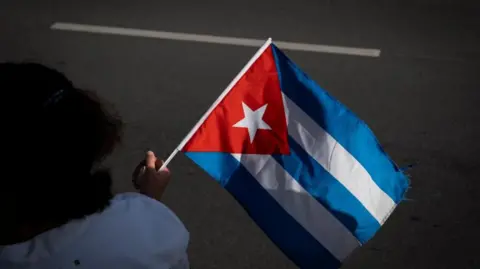
The timing of China's diplomatic intervention reflects the expanding role that Beijing seeks to play in international geopolitical affairs, particularly in regions traditionally considered within America's sphere of influence. By vocally supporting Cuba, China demonstrates its willingness to challenge American foreign policy decisions on a global stage. This assertion of Chinese interests contrasts with the more cautious approach Beijing maintained during earlier decades of its reform and opening period.
Cuba has long maintained complicated relations with the United States, stemming from the 1959 revolution that brought Fidel Castro to power and subsequent decades of economic sanctions, attempted coups, and diplomatic isolation. The charges against the former leader add another layer of complexity to these historical tensions, as American courts attempt to prosecute individuals for alleged crimes committed during the Cold War era and beyond. Legal experts note that such prosecutions raise questions about jurisdiction, international law, and the viability of holding foreign officials accountable for acts committed while in power.
The US criminal charges specifically allege murder in connection with the former leader's rule, with prosecutors building their case on evidence gathered from various sources over many years. The indictment has reignited debates about accountability for past governmental actions and whether posthumous or historical prosecutions serve justice or merely prolong diplomatic tensions. International legal scholars have offered divergent opinions on the precedent such cases might set for future prosecutions of former leaders.
Washington has justified its actions as consistent with principles of justice and the rule of law, maintaining that serious allegations must be investigated and prosecuted regardless of political implications. American officials argue that accountability for alleged crimes serves as a deterrent and upholds international norms prohibiting murder and crimes against humanity. The Biden administration has positioned this legal action as part of its broader approach to pressure on the Cuban regime regarding human rights concerns and democratic governance.
The Cuban government, for its part, has dismissed the charges as politically motivated and part of a decades-long American campaign to destabilize the island nation. Havana has suggested that American legal proceedings against Cuban leaders represent an infringement on Cuban sovereignty and an inappropriate assertion of American jurisdiction over foreign nationals. Cuban officials have characterized the indictment as a continuation of historical American hostility toward the socialist government established during the 1959 revolution.
This diplomatic confrontation occurs amid broader shifts in geopolitical relationships in the Western Hemisphere. Growing Chinese investment and engagement in Latin America and the Caribbean have created new dynamics that complicate traditional American dominance in the region. Countries like Cuba, Venezuela, and Nicaragua have increasingly turned toward Beijing and Moscow for economic and political support as American sanctions and pressure intensify.
The convergence of American legal action and Chinese diplomatic support for Cuba illustrates how Cold War-era conflicts continue to shape contemporary international relations. Rather than fading into historical irrelevance, disputes originating from the twentieth-century ideological struggle between capitalism and communism continue to generate headlines and diplomatic incidents. The involvement of present-day powers like China adds new complexity to these long-standing grievances.
International observers have noted that such charges against former foreign leaders are relatively rare in American legal practice, raising questions about the consistency of American foreign policy and legal standards. Critics argue that similar charges have not been pursued against leaders of allied nations despite documented allegations of serious crimes. Supporters of the prosecution counter that the specific nature of the allegations and available evidence justify legal action in this particular case.
The US-Cuba relations remain among the most fraught in the Western Hemisphere, with limited diplomatic engagement despite several efforts at normalization over the past two decades. The Obama administration achieved a historic rapprochement between the nations in 2015, resulting in the reestablishment of diplomatic relations and the opening of embassies in both capitals. However, the Trump administration reversed course, imposing new sanctions and restrictions, and the Biden administration has maintained much of that hardline approach while signaling potential openness to dialogue.
China's public criticism of American actions toward Cuba serves multiple strategic purposes for Beijing. By positioning itself as a defender of nations resisting American pressure, China cultivates relationships with countries seeking alternatives to Western dominance. Such statements also reinforce Beijing's narrative of a multipolar world where American hegemony faces legitimate challenges from rising powers committed to national sovereignty and non-interference in internal affairs.
The indictment of Cuba's former leader represents one of several recent actions taken by Washington to intensify pressure on the Cuban government regarding governance, human rights, and democracy issues. This legal proceeding sits alongside broader diplomatic initiatives, economic sanctions, and efforts to support opposition movements within Cuba. The multi-pronged American approach reflects deep disagreements over the legitimacy and future direction of the Cuban government.
Looking forward, the convergence of American legal action, Chinese diplomatic support for Cuba, and growing international divisions over geopolitical strategy suggests that this issue will continue generating diplomatic friction. The charges against the former leader may face legal challenges regarding jurisdiction, evidence admissibility, and international law principles. How American courts ultimately resolve these legal questions could have implications for future prosecutions of foreign leaders and the relationship between domestic law and international diplomacy.
Source: BBC News


