
American Contracts Ebola in Congo: CDC Initiates Travel Screening

US health officials confirm first American Ebola case in DRC. CDC announces proactive travel screening measures amid ongoing epidemic in Congo and Uganda.
In a significant development regarding the ongoing Ebola virus outbreak in Central Africa, US health authorities have confirmed that an American citizen has contracted the deadly disease while working in the Democratic Republic of Congo. The confirmation, made public on Monday by officials at the Centers for Disease Control and Prevention (CDC), marks a critical moment in the epidemic response and has prompted immediate action from federal health agencies to prevent further transmission within US borders.
The individual, who developed symptoms over the weekend, tested positive for Ebola infection late Sunday evening, according to Satish K Pillai, an incident manager for the CDC's Ebola response. Officials indicated that the patient was immediately placed under medical care and is being evacuated to Germany for specialized treatment at a high-containment facility equipped to handle such serious infectious disease cases. The rapid identification and evacuation of the patient demonstrates the established protocols that health authorities have developed since previous Ebola outbreaks in the United States.
The exposure occurred during the individual's work activities in the Democratic Republic of Congo, where a persistent Ebola epidemic has been claiming lives and spreading across communities. Health officials emphasized that the patient acquired the virus through occupational exposure while providing humanitarian or medical services in the affected region. This incident underscores the risks faced by healthcare workers and international personnel operating in areas experiencing active viral transmission.
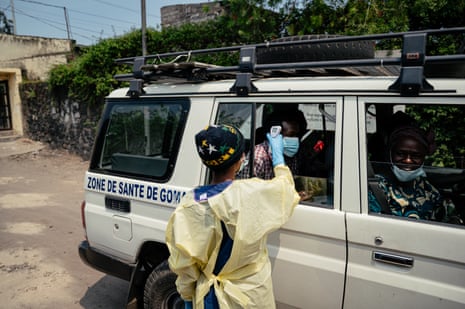
In response to this confirmed case and the broader threat posed by the ongoing epidemic affecting both the DRC and Uganda, the CDC has announced comprehensive "proactive measures" designed to protect American citizens and prevent potential importation of the virus into the United States. These measures represent a strategic escalation in the agency's monitoring and prevention efforts, reflecting heightened concern about the epidemic's trajectory and potential for international spread. Officials stressed that these steps are being taken with the input of other federal agencies and international health organizations.
The CDC travel screening measures announced on Monday are intended to identify any individuals who may have been exposed to the virus and to prevent symptomatic patients from boarding aircraft destined for the United States. These screening protocols will be implemented at major international airports, particularly those serving as transit hubs for travelers from the DRC and surrounding regions. The procedures include temperature checks, symptom assessment, and detailed questioning about potential exposure history in affected areas.
Health officials emphasized that while the risk to the general American population remains low, vigilance and preparedness are essential components of the public health response. The CDC has been coordinating with international partners, including the World Health Organization and health ministries in affected countries, to ensure consistent information sharing and coordinated response efforts. This international cooperation is crucial given the transnational nature of modern disease transmission through air travel.
The situation in the Democratic Republic of Congo has been particularly challenging due to ongoing conflict, limited healthcare infrastructure in affected regions, and community mistrust of health authorities. The DRC Ebola outbreak has claimed hundreds of lives since its inception, with transmission patterns suggesting community spread in addition to healthcare-associated cases. Uganda has also reported confirmed cases, indicating that the virus has crossed borders and established transmission chains in neighboring countries, elevating regional and international concern.
Healthcare workers and humanitarian personnel operating in the affected regions face elevated risk of exposure due to their close contact with infected patients. The CDC has been providing guidance and resources to organizations operating in these areas, including recommendations for personal protective equipment, safe handling procedures, and immediate reporting protocols. The exposure of an American worker highlights the real and present danger faced by those providing essential services in epidemic-affected zones.
The evacuation of the confirmed American patient to Germany reflects the strategic decision to transfer such cases to facilities with the highest level of biosafety capability and experience treating viral hemorrhagic fevers. German medical centers have extensive experience managing infectious disease cases and possess the specialized equipment and trained personnel necessary for optimal patient care while minimizing transmission risk. This arrangement also allows US authorities to maintain close oversight of the case while ensuring the patient receives world-class medical treatment.
The confirmed case has reignited discussions about pandemic preparedness and the importance of maintaining robust infection control protocols both domestically and internationally. Public health experts have emphasized that while Ebola outbreaks can be frightening, the virus is containable through rapid identification, isolation, and standard infection control measures. The CDC's swift response to this case demonstrates the agency's capacity to identify and manage confirmed cases before they result in secondary transmission.
Going forward, the CDC indicated that it will continue to monitor the situation closely and adjust its response measures based on epidemiological developments in the DRC, Uganda, and surrounding regions. Ongoing communication with healthcare facilities across the United States ensures that medical professionals are prepared to identify and report any suspected cases that may present for medical evaluation. This heightened awareness among healthcare providers is a critical component of the overall surveillance and response infrastructure.
The incident also highlights the importance of pre-deployment medical screening and training for individuals planning to work in epidemic-affected regions. Organizations sending personnel to the DRC and Uganda are being advised to ensure staff understand transmission risks, recognize early symptoms, and know proper reporting procedures. Post-deployment monitoring protocols are also essential to identify any exposed individuals who may develop symptoms after returning to the United States.
The global health community continues to support the DRC and Uganda in their efforts to contain the outbreak through vaccination campaigns, community education, and strengthened disease surveillance. International organizations are working to address the underlying factors that have complicated epidemic response, including insecurity in certain regions and limited community acceptance of health interventions. Success in controlling this outbreak will require sustained commitment and resources from both affected countries and the international community.


