
Xreal Project Aura: Maximalist Android XR Glasses

Explore Xreal's Project Aura smartglasses, a cutting-edge Android XR device unveiled at Google I/O 2026. Discover its features and capabilities.
Xreal's Project Aura smartglasses represent an ambitious and feature-rich approach to Android XR technology, showcasing how manufacturers are pushing the boundaries of wearable computing. During Google I/O 2026, attendees had the opportunity to experience firsthand this innovative device, which positions itself at the forefront of the next generation of spatial computing platforms. The glasses demonstrate Xreal's commitment to creating immersive experiences that seamlessly integrate digital content into the user's physical environment.
The Project Aura smartglasses distinguish themselves through their maximalist design philosophy, which contrasts with the minimalist approach some competitors have adopted. Rather than prioritizing sleek aesthetics over functionality, Xreal has engineered a device packed with advanced features and capabilities designed to deliver comprehensive augmented reality experiences. This approach reflects the company's vision that users are willing to sacrifice some form factor considerations in exchange for superior performance and expanded functionality in their spatial computing devices.
Google's Android XR platform serves as the foundation for Project Aura's operating system, providing a robust ecosystem specifically designed for spatial computing applications. The integration with Android XR enables developers to create diverse applications ranging from productivity tools to entertainment experiences that leverage the glasses' capabilities. This partnership demonstrates Google's strategic focus on establishing Android XR as the dominant operating system for the next wave of augmented and mixed reality devices.
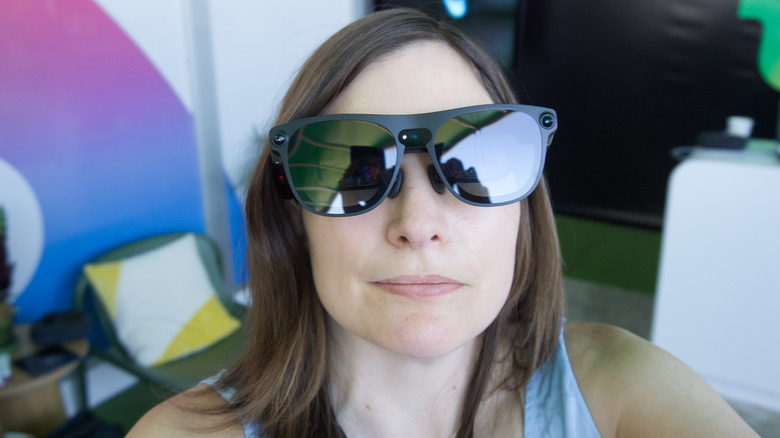
The hardware specifications of the Xreal smartglasses reflect years of research and development in wearable technology. The device incorporates advanced display technology that provides vivid visuals and expansive field-of-view capabilities, allowing users to interact with virtual content in meaningful ways. Additionally, the glasses are equipped with sophisticated sensors and processing power that enable precise tracking and responsive user interactions, creating a fluid experience that feels natural to users.
One of the standout aspects of Project Aura is how it handles the challenge of blending digital and physical worlds in real-time. The glasses utilize advanced computer vision algorithms to understand the user's environment, enabling contextual augmented reality experiences that feel integrated rather than isolated. This environmental awareness allows the device to place virtual objects accurately in physical space, maintain persistence of those objects across sessions, and enable collaborative experiences where multiple users can interact with shared digital content.
The Android XR smartglasses ecosystem is designed to grow substantially as developers embrace the platform and create innovative applications. Early demonstrations at Google I/O 2026 showcased productivity applications, gaming experiences, and communication tools that leverage the unique advantages of spatial computing. As the platform matures, we can expect to see increasingly sophisticated applications that take full advantage of the hardware's capabilities and the Android XR ecosystem's potential.
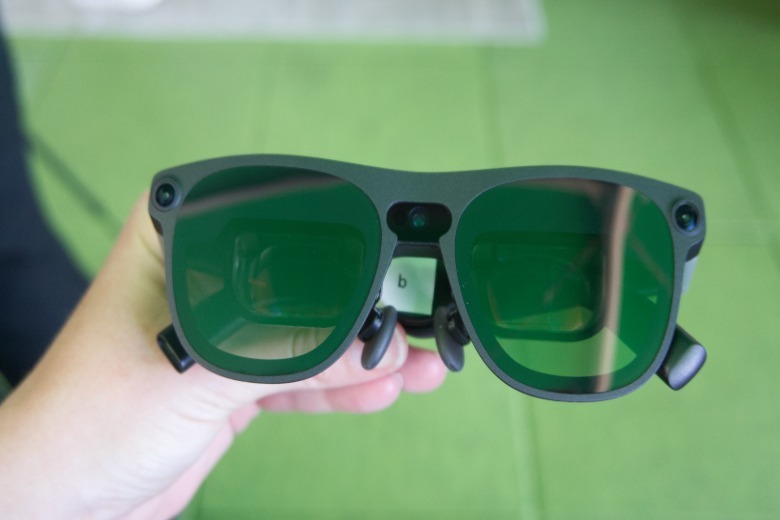
The maximalist approach adopted by Xreal for Project Aura includes extensive input methods and interaction paradigms. Rather than relying solely on gesture recognition or voice commands, the device incorporates multiple ways for users to control and interact with digital content. This multi-modal interaction system ensures that users can choose the input method that works best for their current situation, whether they're in a crowded public space or a quiet office environment.
Battery life and thermal management represent critical engineering considerations for any advanced wearable device, and Project Aura addresses these challenges through thoughtful design and power optimization. The glasses are engineered to provide extended usage periods without requiring constant recharging, a crucial factor for consumer adoption. Additionally, the device manages thermal dissipation effectively, ensuring that users remain comfortable during extended use sessions without experiencing heat-related discomfort.
The competitive landscape for XR smartglasses is intensifying as multiple manufacturers recognize the market's potential. Project Aura positions Xreal as a serious contender in this space, particularly among consumers and enterprises seeking powerful spatial computing capabilities. The device's feature set and performance characteristics compare favorably with other leading contenders in the emerging XR smartglasses market, demonstrating that multiple paths to success exist in this nascent technology segment.
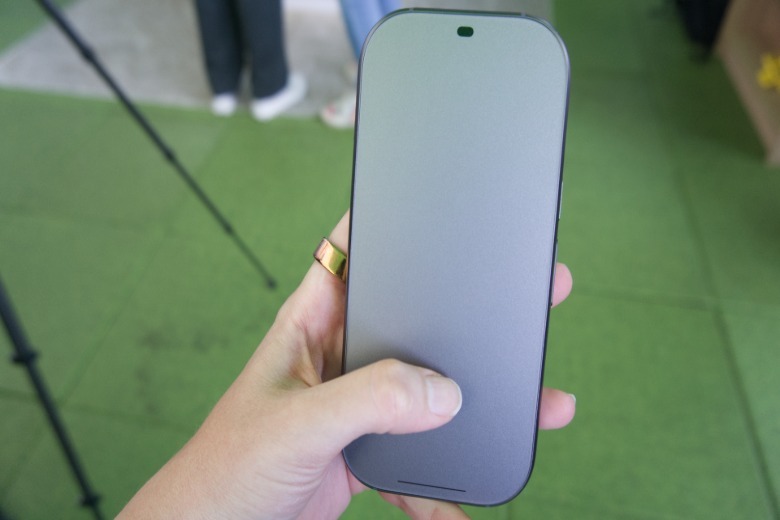
Integration with the broader Google ecosystem provides Project Aura users with seamless connectivity to their other devices and services. Users can leverage their existing Google accounts to maintain continuity across their digital lives, accessing their applications, data, and personalization settings directly on the smartglasses. This ecosystem integration accelerates user onboarding and creates compelling reasons for Google service users to adopt the new device.
The announcement of Project Aura at Google I/O 2026 signals the maturation of spatial computing technology and the increasing readiness of the market for mainstream adoption of advanced wearable devices. Industry analysts view this milestone as a pivotal moment in the evolution of computing interfaces, potentially comparable to the introduction of smartphones as a revolutionary computing platform. The convergence of capable hardware, refined software platforms, and growing developer interest suggests that the market for XR smartglasses could experience significant expansion in the coming years.
Looking forward, Project Aura's success will likely depend on how effectively Xreal and Google can address practical concerns related to privacy, social acceptance, and developer ecosystem growth. The maximalist approach inherently involves tradeoffs between functionality and wearability, and market reception will ultimately determine whether this design philosophy resonates with consumers. Regardless, Project Aura represents a significant engineering achievement and an important proof point that Android XR devices can deliver compelling spatial computing experiences that justify their place in users' daily lives.
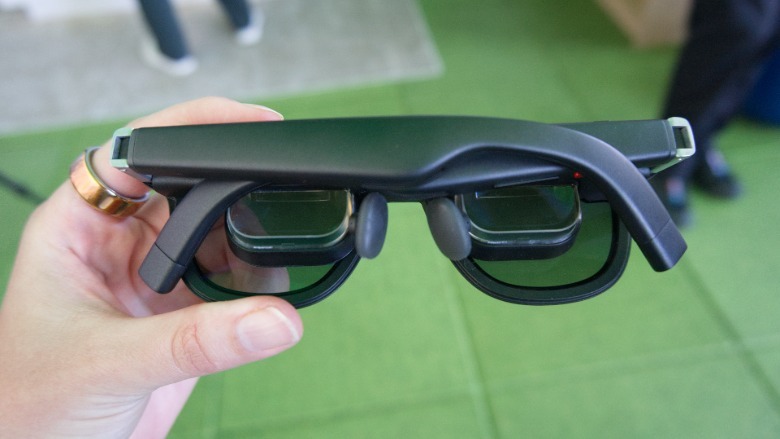
Source: Engadget


