
Xbox Controller Redesign Eliminates Chat Accessory Port

Microsoft's latest Xbox controller refresh removes the accessory port, discontinuing support for Chatpad keyboards and other add-ons. Here's what you need to know.
Microsoft has made a significant decision regarding its latest Xbox controller redesign, announcing the discontinuation of the accessory port that has long been a feature of its gaming peripherals. This move marks a pivotal shift in the company's approach to controller customization and accessory compatibility, affecting millions of Xbox players worldwide who have grown accustomed to expanding their controller functionality through various add-ons.
The removal of this port represents the end of an era for Xbox Chatpad users and fans of other compatible accessories. The Chatpad, a small keyboard attachment that connects to the bottom of Xbox controllers, has provided gamers with a convenient way to type messages, search, and navigate menus without needing to switch to a traditional keyboard. For years, this feature has been particularly valuable for console gamers who appreciate the convenience of quick text input during gameplay or social interactions.
Industry observers note that the decision to eliminate the accessory connector may reflect broader manufacturing trends and cost considerations within the gaming hardware space. The port, while functional, has seen relatively limited adoption compared to other controller features, suggesting that Microsoft's research indicated only a modest percentage of users actually took advantage of compatible accessories. This underutilization likely factored heavily into the company's cost-benefit analysis when designing the refreshed controller.
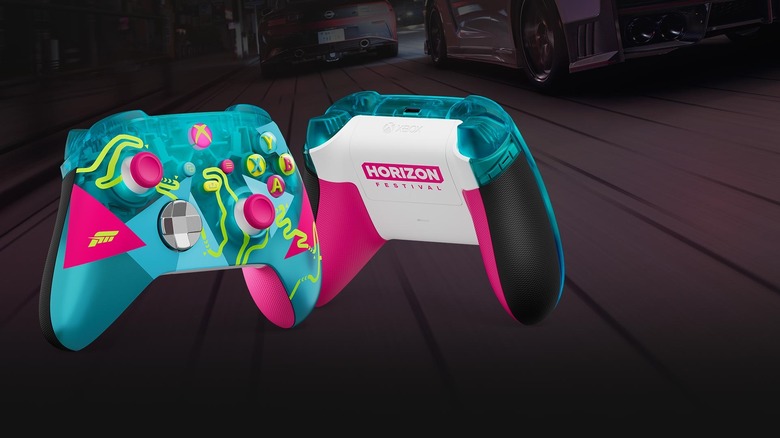
The timing of this announcement has sparked considerable discussion within the gaming community, with users expressing mixed reactions to the news. Some players appreciate the streamlined design and potential cost savings that might accompany the removal of unused components, while others view it as a loss of functionality and backward compatibility. Gaming forums and social media platforms have filled with debates about whether the port elimination represents progress or a step backward for Xbox accessories.
For current Chatpad owners, Microsoft has not provided official guidance on future support or replacement options, though the company's silence suggests that users should maintain their current devices carefully. The Chatpad has been discontinued periodically in the past, making replacement units increasingly rare and valuable to those who depend on the feature. Gaming retailers report increased interest in existing Chatpad inventory as users scramble to secure backup units before supplies dwindle completely.
This development underscores a broader industry trend where manufacturers prioritize streamlined design and production efficiency over niche functionality. The removal of the accessory port aligns with similar decisions made by other gaming companies, which have gradually eliminated lesser-used connection points in favor of wireless alternatives or completely integrated features. Microsoft's choice reflects the company's belief that most users prefer simpler, more focused hardware designs without extensive accessory ecosystems.
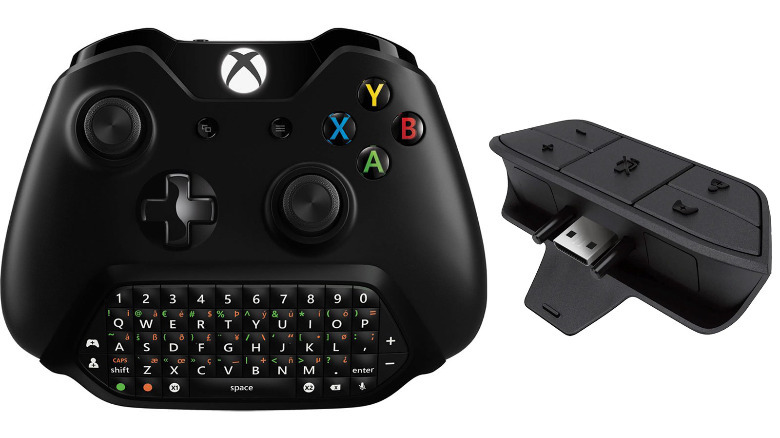
The Xbox controller refresh introduces several other improvements and modifications alongside the port removal, focusing on enhanced ergonomics, improved wireless connectivity, and refined button responsiveness. These upgrades aim to address feedback from the gaming community regarding overall controller performance and durability. The new design maintains backward compatibility with existing Xbox consoles while introducing optimizations specifically engineered for the latest generation hardware.
Tech analysts suggest that the decision likely involved extensive testing and consumer research indicating that the accessory port was rarely used by the average player. Modern input solutions like wireless keyboards, smartphone integration, and voice commands have provided alternative methods for text input, potentially rendering the dedicated hardware port obsolete from a practical standpoint. Microsoft may have determined that dedicating resources to maintaining port compatibility was inefficient when users had viable alternatives available.
The removal raises important questions about the future of Xbox accessories and third-party hardware support. Manufacturers of gaming peripherals must now decide whether to develop new solutions that don't rely on the legacy accessory connection or to continue supporting the older controller variants. This fragmentation could create challenges for accessory developers seeking to maintain a unified product line across multiple Xbox controller generations.
For hardcore Xbox enthusiasts who relied on the Chatpad as an essential tool, this announcement necessitates reconsidering their hardware setup and input methods. Some users may transition to wireless keyboard and mouse combinations, while others might explore voice control features built into modern Xbox systems. The shift reflects Microsoft's broader push toward integrated gaming experiences that leverage software solutions rather than dedicated hardware peripherals.
Looking ahead, the absence of an accessory port in future Xbox controllers likely signals a definitive move away from physical attachment-based expansion. This decision aligns with industry movement toward wireless technology and cloud-based services, where accessories connect via Bluetooth rather than physical connections. Microsoft's vision appears centered on simplicity, reliability, and reducing the number of potential failure points in controller design and manufacturing.
Gaming enthusiasts should consider the long-term implications of this change as they evaluate their controller needs and preferences. Whether viewed as a necessary modernization or an unfortunate loss of functionality, the port discontinuation represents a clear turning point in Xbox controller evolution. As the gaming landscape continues to evolve, players must adapt to new input paradigms while saying goodbye to familiar accessories that have served them well for many console generations.
The removal of the accessory port from Microsoft's redesigned Xbox controller stands as a testament to how manufacturing decisions can significantly impact user experience and hardware ecosystems. While some users will undoubtedly miss the convenience of attachable accessories like the Chatpad, the company's focus on creating a more refined and cost-effective controller design appears to be driving this strategic shift. As Microsoft continues refining its gaming hardware lineup, players and accessory manufacturers alike must adapt to this new era of Xbox controller design without the versatility of dedicated accessory connectivity.
Source: Engadget


