
Whale Removal After Dramatic Failed Rescue

Danish authorities plan post-mortem examination on stranded whale following unsuccessful German rescue attempt. Details on marine conservation response.
A stranded whale that captured international attention will soon be removed from a Danish island, marking the end of a challenging rescue operation that spanned multiple countries and weeks of intensive effort. Danish officials have announced plans to conduct a comprehensive post mortem examination on the marine mammal, which was initially released into the sea from a specialized barge more than two weeks ago in what many hoped would be a successful return to its natural habitat.
The whale rescue operation began when the animal became stranded on the Danish island, prompting immediate response from marine conservation experts and wildlife authorities. The situation quickly escalated into an international effort, with German rescue teams mobilizing resources and expertise to assist in the animal rescue mission. What initially seemed like a straightforward operation to return the whale to open waters evolved into a complex and emotionally charged situation that drew widespread public attention and concern.
According to reports, the whale was carefully transported via barge in an ambitious attempt to move it away from shallow waters and release it into deeper ocean areas where it could potentially thrive. The marine wildlife rescue team worked meticulously to ensure the animal's safety during transport, utilizing specialized equipment and veterinary oversight throughout the process. Despite these comprehensive precautions and the expertise involved, the rescue efforts ultimately proved unsuccessful in achieving the desired outcome of rehabilitating the whale to the wild.
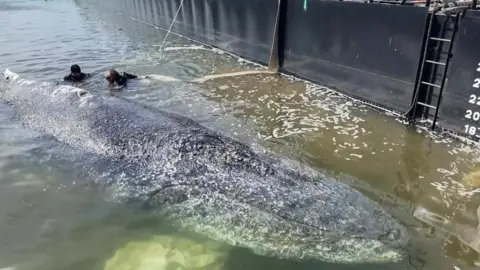
The failed German rescue attempt represents a significant setback for the multinational team that had invested considerable resources and time into the operation. Wildlife officials have stated that the post mortem examination will be crucial in understanding what went wrong and providing valuable insights into the whale's condition at the time of its final days. Such examinations are standard procedure in marine conservation and help scientists gather data that can inform future rescue and rehabilitation protocols.
This incident highlights the complex challenges inherent in large marine animal rescue operations, particularly when dealing with species that require specialized care and environmental conditions. The whale's predicament underscored the difficulties faced by conservation teams when attempting to intervene in situations involving stranded cetaceans. The international cooperation demonstrated in this case, while ultimately unsuccessful, showcased the commitment of multiple nations to marine life preservation and animal welfare.
The Danish island community that hosted the stranded whale during this ordeal has now prepared for its removal, allowing authorities to conduct the necessary examination and determine the exact circumstances that contributed to the rescue's failure. Environmental scientists and marine biologists across Europe have been monitoring this situation closely, as each whale stranding incident provides valuable data about marine ecosystem health, ocean conditions, and potential threats to cetacean populations.
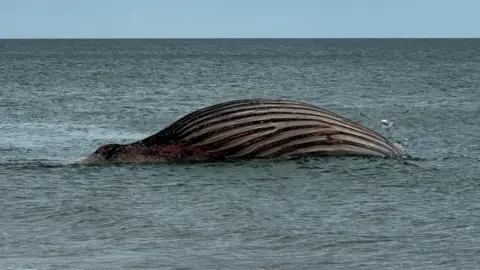
The post mortem findings could reveal whether the whale suffered from disease, malnutrition, injury, or other health complications that may have made rescue impossible or contributed to its inability to survive once released. Such examinations often uncover patterns about the broader health of marine populations and can help researchers develop more effective intervention strategies for future stranding situations. The data collected from this case will likely be shared among international marine research institutions and conservation organizations.
Whale strandings remain a significant concern for marine conservation worldwide, with hundreds of incidents reported annually across various coastlines. These events often puzzle scientists, as the causes range from disorientation and navigation errors to disease, injury, and responses to environmental changes in ocean ecosystems. The cetacean rescue efforts like this one demonstrate both the compassion of human communities and the sobering realities of intervening in complex biological situations beyond our current understanding.
Danish authorities have committed to releasing detailed findings from the examination to the scientific community and the public once the analysis is complete. This transparency reflects a broader commitment among Northern European nations to advancing marine conservation knowledge and sharing findings that could benefit whale populations globally. The removal and examination process, while marking an unfortunate end to the rescue operation, represents an opportunity to extract meaningful scientific value from this difficult situation.
The international dimension of this rescue effort underscored how marine conservation challenges transcend national borders, particularly in regions like the North Sea and surrounding waters where whale populations migrate seasonally. German and Danish cooperation in this endeavor represents the kind of cross-border collaboration increasingly necessary to address marine environmental challenges. The lessons learned from this unsuccessful rescue will likely influence how future stranding situations are approached in Northern Europe and beyond.
Source: BBC News


