
West Bengal Erupts: BJP Aide Killed, Hundreds Arrested

Post-election violence grips West Bengal as BJP claims victory over TMC. Political tensions escalate with shooting death and mass arrests reported.
The Indian state of West Bengal is grappling with a severe political and social crisis following the conclusion of legislative elections this week, marked by the Bharatiya Janata Party's unexpected victory and subsequent outbreak of widespread violence. The situation has deteriorated significantly with reports of a high-ranking political operative from Prime Minister Narendra Modi's party being fatally shot in broad daylight, while law enforcement agencies have detained hundreds of individuals in connection with the post-election unrest that has gripped the state.
The West Bengal election results announced on Monday delivered a stunning blow to the Trinamool Congress (TMC), which had maintained an iron grip on the state legislature for the past 15 years. The BJP's commanding performance in the electoral contest represents a dramatic political shift in one of India's most significant states, challenging the regional dominance that the TMC and Chief Minister Mamata Banerjee had enjoyed for nearly a decade and a half. This electoral outcome has sent shockwaves through the political establishment and triggered an immediate and violent backlash from various quarters.
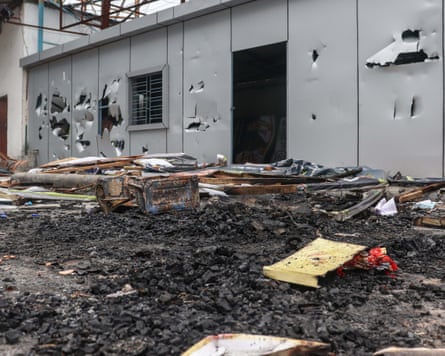
The immediate aftermath of the election results has been characterized by escalating political violence and civil unrest across multiple districts. Clashes between supporters of rival political parties have erupted in several towns and rural areas, with reports indicating that armed groups associated with different political factions have engaged in confrontations. The breakdown in public order has raised serious concerns among residents and international observers about the democratic process and the safety of ordinary citizens caught in the crossfire.
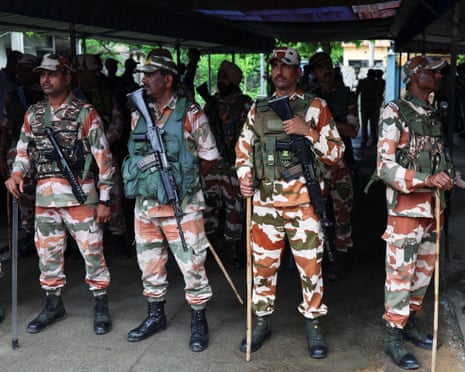
The assassination of the BJP political aide represents perhaps the most alarming development in the escalating crisis. The individual, identified as a prominent figure within the party's organizational structure in the state, was reportedly targeted in a brazen daytime attack that has sent shockwaves through the political community. The circumstances surrounding the shooting have not been fully clarified, and investigations are ongoing to determine the identity of the perpetrators and the motivations behind the killing. This tragic incident has intensified fears about political extremism and the potential for further violence.
In response to the deteriorating law and order situation, authorities have initiated mass arrest operations across the state. According to reports, several hundred individuals have been taken into custody on suspicion of involvement in election-related violence, rioting, or other criminal activities connected to the post-election unrest. The mass arrests represent a broad-based crackdown aimed at suppressing organized violence and restoring public order, though human rights advocates have raised concerns about the scale and indiscriminate nature of some detention operations.
The scale and intensity of the violence have raised fundamental questions about the conduct of the election process itself and the broader health of democratic institutions in India. Electoral violence, while not uncommon in Indian politics, has reached concerning levels in West Bengal, prompting calls from various stakeholders for urgent intervention and the implementation of measures to ensure public safety and the protection of fundamental rights.
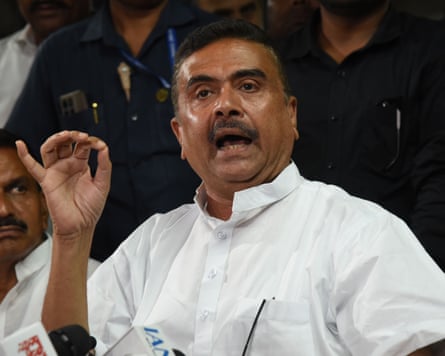
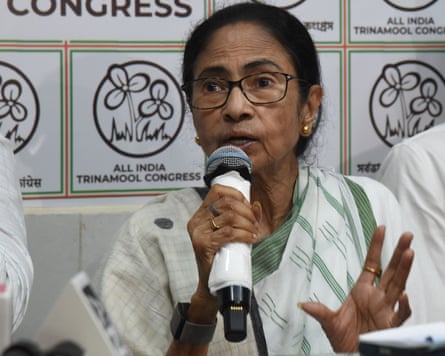
Chief Minister Mamata Banerjee and the Trinamool Congress leadership have faced mounting pressure in the wake of their electoral defeat after governing the state since 2011. The TMC's loss of power represents a significant political development in the Indian subcontinent, as the party had built a formidable political machine based on regional identity politics and populist policies. The transition of power from one ruling party to another has created uncertainty about the future direction of governance and policy in the state.
The BJP's performance in West Bengal reflects the broader political ambitions of Prime Minister Modi's administration to expand its footprint across India and consolidate power at the national level. The party's victory in this crucial state election, one of India's most populous and politically significant regions, strengthens its position and represents a major achievement in its long-term political strategy. The implications of this electoral outcome extend far beyond West Bengal and could influence the political dynamics across the entire country.
The situation in West Bengal underscores the persistent challenges facing India's democratic system, particularly regarding the management of post-election transitions and the prevention of election violence. Violence following electoral contests has become an increasingly common phenomenon in Indian politics, raising concerns about the safety of voters, candidates, and public officials during periods of political transition. The international community has been closely monitoring the situation, and several observer missions have called for calm and adherence to democratic norms.
The arrest of hundreds of individuals raises important questions about due process, the rights of the accused, and the capacity of the criminal justice system to handle such large-scale detention operations. Legal experts and civil rights organizations have expressed concerns about ensuring that investigations are conducted transparently and that the rights of those detained are protected throughout the legal process. The need for balance between maintaining public order and protecting fundamental freedoms remains a critical challenge for authorities.
Security forces have been mobilized extensively across the state to prevent further violence and to restore normalcy. The deployment of police personnel and, in some cases, paramilitary forces reflects the severity of the security situation and the determination of authorities to bring the situation under control. However, such heavy-handed security responses must be carefully calibrated to avoid further inflaming tensions or causing additional harm to civilians.
Looking forward, the political transition in West Bengal will require careful management to ensure stability and prevent continued violence. The incoming BJP administration will face the challenge of governing a state with deep political divisions and emerging from a period of significant civil unrest. Building consensus, addressing legitimate grievances, and implementing policies that benefit all sections of society will be critical for establishing legitimate governance and moving beyond the current crisis.
The events unfolding in West Bengal serve as a sobering reminder of the fragility of democratic institutions and the potential for political competition to descend into violence when tensions run high. The international community, including democratic institutions and human rights organizations, will continue to monitor the situation closely to ensure that democratic norms are upheld and that the rights of all citizens are protected. The path forward requires dialogue, restraint, and a commitment to resolving differences through democratic and peaceful means rather than through violence and intimidation.
Source: The Guardian


