
Victoria Starmer's Cream Blazer Power Move

PM's wife wears strategic cream blazer to polling station, joining tradition of powerful women using fashion at crucial moments.
Victoria Starmer made a calculated fashion statement on Thursday morning as she accompanied her husband, Prime Minister Sir Keir Starmer, to cast his vote in what many observers deemed a pivotal political moment. Rather than opting for a neutral appearance, the Prime Minister's wife selected a distinctive cream-colored blazer that immediately sparked conversation among fashion commentators and political analysts alike. This sartorial choice was far from accidental; instead, it represented a deliberate decision to engage in what fashion experts call the "power blazer" phenomenon—a well-documented strategy employed by prominent women throughout history during high-stakes moments.
The cream blazer Victoria Starmer wore bears striking similarities to a £1,690 ivory Alexander McQueen crepe design, a luxury piece that exemplifies the power blazer tradition in contemporary fashion. The garment's tailored silhouette, refined lapels, and sophisticated color palette all contribute to its ability to project authority and confidence at critical junctures. Fashion historians and political observers have long noted how such strategic wardrobe choices communicate non-verbal messages about composure, professionalism, and readiness for important decisions. The cream tone, in particular, occupies an interesting space between pure white and warmer beige, suggesting both neutrality and approachability while maintaining an air of elegance and command.
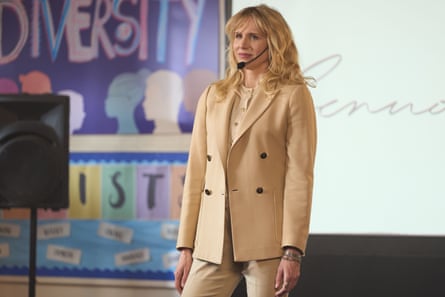
This moment arrives as Victoria Starmer joins an impressive lineage of influential women who have weaponized the blazer during consequential occasions. The timing of her choice proves particularly noteworthy given recent high-profile examples of similar fashion deployments. In the latest season of the comedy series Amandaland, the protagonist Amanda sports a beige double-breasted blazer in a comedic yet pointed scene where she delivers an awkward presentation about her lifestyle brand during a school careers week event. The fictional scenario, while humorous, underscores just how universally recognized the power blazer concept has become in popular culture and genuine political contexts alike.

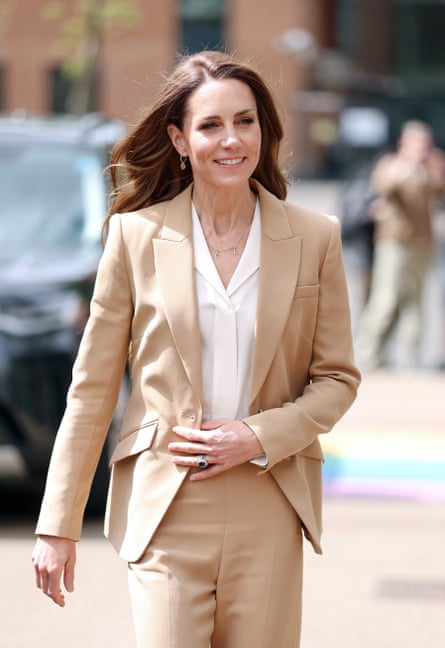
Earlier in the same week, Catherine, Princess of Wales, had unveiled the Foundations for Life report while dressed in an elegant creamy beige high-waisted suit designed by renowned fashion designer Roland Mouret. This suit, characterized by its refined tailoring and luxurious fabric composition, demonstrated how members of the royal family also strategically employ fashion choices to underscore the importance of significant announcements and public moments. The Princess's selection of a similar cream tone to Victoria Starmer's blazer suggests a broader cultural moment where this particular shade has become associated with competence, grace, and authority in professional and political settings.
The power blazer phenomenon extends far beyond mere aesthetics or personal style preferences. Fashion scholars and political communication experts have documented how garment selection functions as a sophisticated form of nonverbal communication, particularly for women in positions of prominence or visibility. When a woman chooses to wear a structured, tailored blazer—especially in neutral, sophisticated tones—she is engaging in what researchers call "power dressing," a practice that originated in the 1980s but continues to resonate with contemporary audiences. The blazer's structured shoulders, defined waistline, and authoritative silhouette all contribute to the wearer's perceived competence and leadership qualities.
The color palette selected by Victoria Starmer deserves particular attention in this context. Cream and ivory tones occupy a unique position in the fashion hierarchy, representing neither the starkness of pure white nor the warmth of traditional beige. These neutral, sophisticated hues communicate professionalism while avoiding the potential coldness associated with stark white or the casualness sometimes attributed to warmer earth tones. For someone accompanying the Prime Minister to such a politically significant moment, the choice of cream over other neutral options suggests careful deliberation about messaging and public perception. Fashion consultants often advise prominent figures to select colors that photograph well, maintain elegance throughout extended public appearances, and convey the appropriate level of seriousness for the occasion at hand.
The Alexander McQueen reference point further elevates the significance of Victoria Starmer's choice, as the British luxury fashion house carries substantial cultural weight and prestige. Alexander McQueen designs, particularly in crepe fabrics, are known for their impeccable construction, sophisticated simplicity, and timeless appeal. By selecting a designer piece of this caliber, Victoria Starmer aligned herself with a tradition of refined taste and attention to quality that political spouses often employ to project stability and discernment. The £1,690 price point, while substantial, falls within an expected range for the wives of national leaders attending high-profile public events, striking a balance between luxury and restraint.
The broader context of political fashion choices reveals how Victoria Starmer's decision operates within established patterns and expectations. Throughout political history, the spouses of prime ministers and presidents have understood that their wardrobe selections communicate messages to voters, media outlets, and the international community. A cream blazer on an important polling day subtly reinforces narratives of stability, confidence, and readiness for the responsibilities that accompany winning an election. The garment functions as a visual anchor, helping to construct a particular image of the Prime Minister's household as composed, sophisticated, and prepared for whatever challenges lie ahead.
The recent prominence of cream-toned power blazers across multiple high-profile contexts—from Victoria Starmer's political moment to Catherine's public appearances to the fictional Amanda's comedic mishap—suggests these pieces have achieved a particular cultural moment. Fashion trends, even at the highest levels of society, tend to cluster and reinforce one another through visibility and media amplification. When multiple prominent women select similar pieces during significant occasions, it creates a feedback loop that elevates certain styles to the status of cultural markers. In this case, the cream blazer has become emblematic of how successful women project authority while maintaining an accessible, approachable demeanor.
Understanding the deeper implications of Victoria Starmer's fashion choice requires recognizing how women in politics continue to navigate a complex landscape where personal appearance holds disproportionate significance compared to their male counterparts. While male politicians rarely face extended scrutiny regarding their wardrobe selections, female politicians and political figures remain subject to constant analysis and commentary about their clothing, hairstyles, and overall appearance. In this context, Victoria Starmer's calculated choice of a cream blazer represents not merely a fashion decision but a strategic political communication act. By dressing thoughtfully and deliberately for an important moment, she demonstrates awareness of these dynamics while projecting confidence and poise.
The styling legacy of power blazers deserves recognition as a form of feminist fashion reclamation. What began as women adopting traditionally masculine tailoring to gain credibility in male-dominated professional environments has evolved into a distinctive aesthetic that combines structure with sophistication. Today's power blazer, particularly when rendered in luxurious materials and refined designs like McQueen's crepe, represents a sophisticated integration of traditionally feminine and masculine elements. Victoria Starmer's choice to wear such a piece to accompany her husband to vote demonstrates how far this conversation has evolved, moving beyond simple imitation of masculine dress codes toward the creation of a distinct visual language of female authority.
As polling day concluded and results began to emerge, Victoria Starmer's cream blazer remained part of the visual narrative surrounding the Prime Minister's electoral journey. Fashion observers and political commentators alike noted how her sartorial choices contributed to the overall aesthetic presentation of the moment. The dress code decisions made by political figures and their families, while sometimes dismissed as superficial, actually constitute important elements of political communication and public perception management. Victoria Starmer's cream blazer, whether consciously chosen for these reasons or selected through more intuitive style sensibilities, ultimately achieved the effect of projecting calm confidence during a moment of significant national political consequence.
Source: The Guardian


