
US Military Propaganda Leaflets: Do They Actually Work?

Explore the century-long history of US psychological warfare leaflets dropped in Iraq, Afghanistan, and Libya. Examine their effectiveness in modern conflict.
For more than a century, the United States military has deployed an unusual but persistent tactical weapon in its arsenal: propaganda leaflets. These paper missives, distributed across battlefields from the trenches of World War I to the deserts of Iraq and Afghanistan, represent a fascinating and often overlooked dimension of psychological warfare. Yet despite their widespread deployment throughout the twentieth and twenty-first centuries, a fundamental question persists: do these propaganda leaflets actually achieve their intended objectives, or are they merely an expensive exercise in futility?
The practice of dropping psychological operations, or psyops, leaflets has deep historical roots in American military strategy. Military leaders have long believed that winning wars is not solely about superior firepower and tactical superiority, but also about breaking the will of opposing forces through carefully crafted messaging. This belief has guided military doctrine for generations, informing decisions about resource allocation and operational planning across multiple theaters of conflict. The fundamental premise underlying these operations is that carefully chosen words and images can demoralize enemy troops, encourage defection, and undermine support for military leadership among civilian populations.
The historical narrative surrounding early leaflet campaigns presents a compelling success story. During the First World War, American forces released more than three million leaflets behind German lines, employing both aircraft and hydrogen balloons as delivery mechanisms. According to official military accounts and historical records, these leaflets reportedly succeeded in eroding morale and damaging unit cohesion among German forces, contributing to the psychological deterioration that preceded the armistice. However, this account deserves closer scrutiny and examination, as separating documented fact from military mythology proves challenging when examining propaganda operations designed to shape perception.

The technology and tactics of leaflet distribution have evolved substantially over the decades, reflecting broader changes in military capabilities and strategic thinking. In modern operations spanning Iraq, Afghanistan, and Libya, the military has refined its approach by incorporating design principles from advertising and psychology, tailoring messages to specific cultural contexts and target audiences. These contemporary operations represent the culmination of decades of experimentation with messaging, design, and delivery mechanisms. The psychological sophistication involved in crafting these messages has increased dramatically, with military psychological operations specialists now working closely with cultural advisors to ensure maximum impact.
One critical challenge in assessing leaflet effectiveness stems from the inherent difficulty in measuring psychological impact. Unlike conventional military operations, where success can be quantified through captured territory or enemy casualties, measuring changes in morale or likelihood of defection presents significant methodological obstacles. Military researchers and independent scholars have struggled to develop rigorous assessment frameworks that can isolate the specific effects of leaflet campaigns from the numerous other factors influencing military outcomes and soldier behavior. This measurement problem has allowed both proponents and skeptics of the tactic to maintain their positions despite limited conclusive evidence.
Recent exhibitions documenting US military psyops leaflets distributed across multiple theaters have provided American citizens with unprecedented access to the messages created in their name. These collections showcase the diverse messaging strategies employed by military psychological operations teams, ranging from humanitarian appeals to threats of military action and destruction. The exhibit materials reveal the extent to which American military strategists have invested in developing sophisticated psychological warfare campaigns, allocating significant resources to understanding target audiences and crafting persuasive messages. For many Americans, viewing these artifacts provides a first opportunity to directly confront the nature and content of psychological warfare conducted by their military.
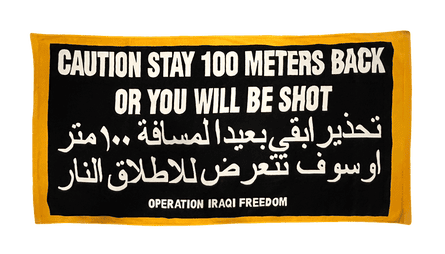
The messaging contained within war propaganda leaflets often presents starkly different appeals depending on the intended audience and strategic objectives. Some leaflets emphasize humanitarian concerns, promising safety to combatants who surrender or civilians who cooperate with military forces. Others employ fear-based messaging, threatening devastating military consequences and destruction to those who resist or continue supporting opposing forces. Still others attempt to exploit divisions within opposing forces, highlighting grievances and encouraging defection by suggesting that combatants are fighting for an unworthy cause or corrupt leadership. This variety in messaging reflects the underlying assumption that different target audiences respond to different psychological appeals and persuasive techniques.
Critics of psychological warfare programs question both the practical effectiveness and the ethical implications of these campaigns. They argue that in an age of mass media, internet connectivity, and information saturation, paper leaflets distributed from aircraft represent an anachronistic and inefficient use of military resources. Furthermore, they contend that the threatening language and explicit violence depicted in some leaflets may generate backlash, strengthening enemy resolve and providing recruitment material for opposing forces. The presentation of American military threats in leaflet form may actually prove counterproductive by reinforcing narratives about American aggression and disrespect for local populations in contested regions.
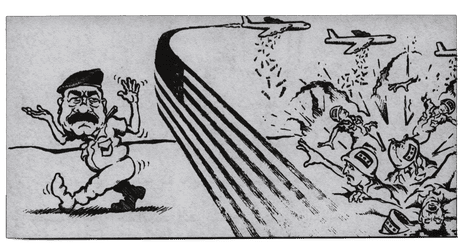
Supporters of leaflet operations maintain that these campaigns serve important strategic functions beyond direct persuasion. They argue that leaflets function as a demonstration of military capability and presence, signaling to civilian populations that American forces control the information environment and can deliver messages directly to individuals. Additionally, advocates suggest that leaflets provide an alternative to kinetic military action, offering target populations an opportunity to alter their behavior or allegiance without requiring military engagement. From this perspective, even unsuccessful persuasion represents a relative success compared to military operations involving conventional weapons and the resulting casualties and destruction.
The question of leaflet effectiveness remains contested among military analysts, historians, and policymakers. While anecdotal evidence and military claims suggest that leaflet operations have occasionally influenced behavior, rigorous scientific evidence demonstrating significant impact remains elusive. This gap between military conviction in the value of psychological operations and actual measurable results reflects a broader pattern in military history, where beliefs about warfare tactics sometimes persist despite limited empirical support. The institutional investment in psychological operations, including dedicated military units and substantial budgets, may itself encourage continued deployment regardless of documented effectiveness.
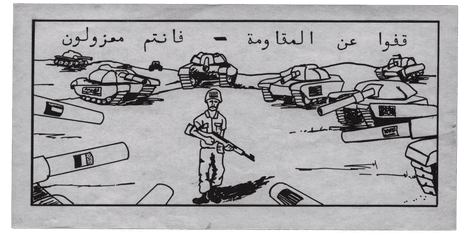
As America's role in direct military engagement in Iraq, Afghanistan, and Libya has diminished or concluded, the legacy of these psychological operations campaigns remains visible through the artifacts now on public display. These exhibitions serve an important function in making visible the invisible dimensions of modern warfare, demonstrating the ways in which military strategy extends beyond conventional combat into the realm of psychological influence and perception management. For citizens and policymakers examining these materials, the fundamental question of whether military propaganda actually achieves its objectives may ultimately matter less than the broader question of whether such operations represent an appropriate use of military resources and authority. The debate over leaflet operations ultimately reflects deeper questions about the nature of modern warfare, the limits of persuasion as a military tool, and the appropriate boundaries of psychological operations in contemporary conflicts.
Source: The Guardian


