
US-Indonesia Finalize Historic 19% Tariff Deal

Washington and Jakarta reach groundbreaking trade agreement setting 19% tariff rate on Indonesian imports while reducing barriers for US exports.
The United States and Indonesia have successfully concluded negotiations on a landmark trade agreement that will establish a standardized 19% tariff rate on the majority of Indonesian goods entering American markets. This comprehensive deal represents a significant shift in bilateral trade relations between the world's largest economy and Southeast Asia's most populous nation, marking a new chapter in economic cooperation between the two strategic partners.
Under the terms of this bilateral trade deal, Washington will implement the unified 19% tariff structure across most Indonesian product categories, replacing the previous complex system of varying duty rates that had created uncertainty for importers and exporters alike. This standardization is expected to streamline customs procedures and provide greater predictability for businesses operating in both markets, facilitating increased trade volumes between the nations.
In exchange for this tariff arrangement, Indonesia has committed to substantially reducing trade barriers that have historically limited American companies' access to the Indonesian market. These reciprocal concessions include lowering import duties on various US manufactured goods, simplifying regulatory approval processes, and enhancing market access for American service providers across multiple sectors including finance, telecommunications, and professional services.
The agreement comes at a crucial time as both nations seek to diversify their trade relationships and reduce dependence on traditional trading partners. For Indonesia, this deal provides enhanced access to the massive American consumer market, potentially boosting exports of key Indonesian products including textiles, palm oil derivatives, processed foods, and manufactured goods that have been central to the country's economic growth strategy.
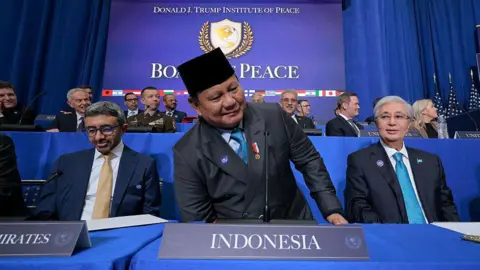
American businesses are expected to benefit significantly from the reduced Indonesian trade barriers, particularly in sectors where US companies have maintained competitive advantages. The deal is anticipated to boost exports of American agricultural products, technology equipment, machinery, and professional services to Indonesia's rapidly expanding economy, which represents the world's fourth-largest population and a growing middle class with increasing purchasing power.
Trade experts emphasize that this US-Indonesia tariff agreement reflects broader geopolitical and economic considerations in the Asia-Pacific region. Both countries are seeking to strengthen their economic ties as part of wider strategic partnerships aimed at promoting stability and prosperity in Southeast Asia, while also creating alternatives to over-reliance on other major trading partners in the region.
The 19% tariff rate represents a carefully negotiated compromise that balances the need to protect certain American industries from import competition while maintaining competitive pricing for Indonesian goods in US markets. This rate structure has been designed to avoid the trade disruptions that can result from excessively high tariffs while still providing meaningful protection for domestic producers who compete with Indonesian imports.
Indonesian government officials have expressed optimism that the deal will stimulate economic growth and create new employment opportunities across various sectors of their economy. The country's export-oriented industries are particularly well-positioned to capitalize on the improved market access to the United States, potentially generating billions of dollars in additional export revenue over the coming years.
The implementation timeline for the agreement includes a phased approach that will allow businesses in both countries to adapt to the new trading environment gradually. Initial changes are expected to take effect within six months of the deal's ratification, with full implementation of all provisions scheduled to occur over an 18-month period to ensure smooth transitions for affected industries and supply chains.
American importers of Indonesian goods have welcomed the tariff standardization as a positive development that will eliminate much of the complexity and uncertainty that has characterized trade relationships in recent years. The predictable 19% rate will enable better cost planning and inventory management, potentially leading to more stable pricing for consumers and improved profit margins for retailers and distributors.
This trade agreement also includes provisions for regular review and adjustment mechanisms, allowing both countries to assess the deal's effectiveness and make necessary modifications based on changing economic conditions and trade patterns. These built-in flexibility measures are designed to ensure the agreement remains mutually beneficial and responsive to evolving market dynamics over time.
The broader implications of this trade liberalization extend beyond immediate commercial benefits, as the deal is expected to strengthen diplomatic and strategic relationships between Washington and Jakarta. Enhanced economic cooperation often serves as a foundation for deeper collaboration on regional security issues, climate change initiatives, and other shared challenges facing both nations in the coming decades.
Source: BBC News


