
US House Narrowly Rejects Bill to Limit Military Action Against Iran

The House of Representatives voted down a resolution that would have prevented further US military intervention in the Iran conflict amid ongoing peace talks.
In a narrow vote, the US House of Representatives has rejected a war powers resolution that would have limited further military action against Iran. The resolution, introduced by Greg Meeks, the top Democrat on the House Foreign Affairs Committee, failed by a vote of 213-214, with one Republican member voting present.
The failed resolution needed just two more votes to pass, as tied votes fail in the House. This outcome suggests that Democrats have now solidified their opposition to continued US involvement in the conflict with Iran, even as peace talks aimed at resolving the tensions have yet to make significant progress.
Ongoing Peace Talks
The vote came as diplomatic efforts to find a peaceful resolution to the conflict between the US and Iran continue, though they have yet to yield a breakthrough. Both sides have engaged in indirect talks, with the European Union playing a mediating role, but a final agreement has remained elusive.
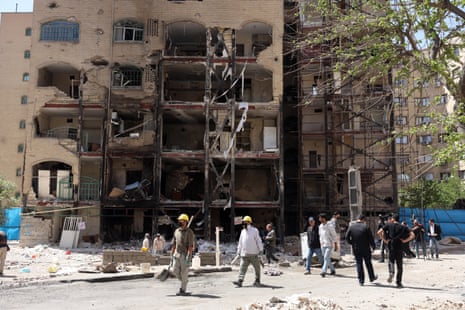
Supporters of the war powers resolution argued that it was necessary to prevent the US from being drawn into further military confrontation with Iran, which could have serious consequences for the region and global stability. However, opponents argued that it would undermine the president's authority to respond to potential threats.
Democratic Opposition Hardens
The narrow defeat of the resolution marks a shift in the Democratic party's stance on the issue of military action against Iran. While some Democrats had previously supported limited strikes or other interventions, the party now appears united in its opposition to further US involvement in the conflict.
This hardening of the Democratic position could complicate the Biden administration's efforts to maintain pressure on Iran or respond to any future escalations. It also raises questions about the extent to which Congress will be willing to authorize or support military action in the region going forward.
Continued Tensions and Uncertainty
Despite the failed resolution, the underlying tensions between the US and Iran remain. Both sides continue to engage in a delicate diplomatic dance, with neither willing to make significant concessions that could lead to a lasting peace agreement.
As the talks continue, the risk of miscalculation or unintended escalation remains high. The defeat of the war powers resolution suggests that the US Congress may be increasingly reluctant to support military action, even as the Biden administration seeks to maintain its leverage over Iran.
Source: The Guardian


