
UK Urges Global Action to Resolve Fertiliser Crisis

Foreign Secretary Yvette Cooper warns that fertiliser supplies must be restored within weeks to prevent global food crisis and rising prices.
The United Kingdom's Foreign Secretary, Yvette Cooper, has issued an urgent call for immediate international action to resolve the escalating global fertiliser crisis that threatens food security worldwide. Cooper has emphasized that fertiliser supplies must be restored and unfrozen within a matter of weeks to prevent catastrophic consequences for agricultural production and food prices across the planet. The crisis stems from ongoing geopolitical tensions in the Middle East, which have severely disrupted critical supply chains and trading routes essential for global agricultural commerce.
The primary bottleneck in the fertiliser supply chain is the Strait of Hormuz, one of the world's most vital maritime passages for international trade. The ongoing war in Iran has effectively frozen shipments of essential fertiliser products through this strategic waterway, creating an unprecedented supply crunch that is reverberating through agricultural sectors globally. This blockade has prevented the smooth flow of critical nutrients necessary for crop cultivation, forcing farmers across multiple continents to face severe shortages at a time when planting seasons are critical.
The consequences of this fertiliser shortage are already being felt acutely across developed nations including the United Kingdom, Europe, and the United States. Agricultural producers in these regions are struggling to access the fertiliser stocks they need for upcoming growing seasons, resulting in reduced crop yields and increased production costs. However, the impacts extend far beyond wealthy nations, with the crisis disproportionately affecting developing countries where farmers lack the financial resources to absorb the dramatically elevated prices now being demanded for limited fertiliser supplies.
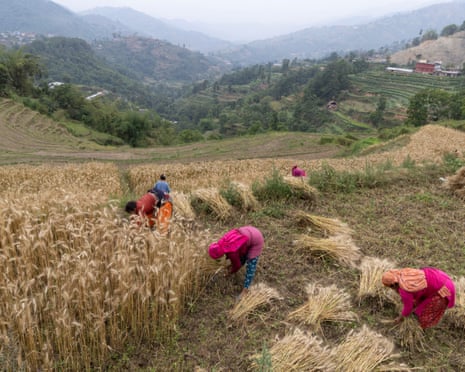
According to Cooper's statements, the situation represents a serious threat to global food security and economic stability. The disruption to fertiliser movements is already driving up food prices in markets worldwide, creating inflationary pressure that impacts consumers at every economic level. Developing nations, which are heavily dependent on imported fertilisers to maintain agricultural productivity, face potentially devastating consequences as they struggle to afford adequate supplies for their farming communities. The Foreign Secretary has stressed that without rapid intervention and resolution, the world could face a severe food crisis with far-reaching humanitarian implications.
The global food crisis that looms if fertiliser supplies are not restored would have cascading effects on international markets, food security, and social stability. Developing economies, already vulnerable to price fluctuations and supply disruptions, would be hit particularly hard as rising food prices consume larger portions of household budgets and limit nutritional intake for vulnerable populations. The agricultural sectors in these regions, which often employ significant portions of the workforce, would face reduced productivity and potential economic collapse if fertiliser remains unavailable.
Cooper has called for urgent and coordinated diplomatic pressure to reopen the Strait of Hormuz and restore the flow of both fertiliser and fuel through this critical passage. The Foreign Secretary's remarks underscore the interconnected nature of global supply chains and the vulnerability of international systems to regional conflicts. She has emphasized that resolving the Middle East situation is not merely a regional concern but a matter of urgent global importance that affects food production, economic stability, and human welfare across all continents.
The restoration of fertiliser shipments requires not only military and political de-escalation in the region but also coordinated international diplomatic efforts to establish safe passage for commercial vessels. International organizations and world leaders must work together to create conditions where maritime trade can resume without disruption or fear of attack. The timeframe is critical, as planting seasons in the Northern Hemisphere are approaching rapidly, and farmers need access to fertiliser supplies to prepare their fields and plan their agricultural operations for the year ahead.
Beyond the immediate crisis, this situation highlights the need for greater resilience and diversification in global agricultural supply chains. Nations and international bodies must work toward reducing dependence on single routes for critical agricultural inputs and developing alternative sources and distribution channels for fertiliser. Strategic reserves and international agreements regarding fertiliser supplies during times of conflict could help prevent future crises of this magnitude from devastating global food production.
The fertiliser crisis also underscores broader vulnerabilities in the global trading system that have been exposed by recent geopolitical tensions and supply chain disruptions. Industries dependent on stable access to critical raw materials and inputs face significant risks when regional conflicts disrupt key maritime routes and trading hubs. Policymakers worldwide are being forced to confront uncomfortable truths about just-in-time supply chains and the fragility of global commerce in an increasingly unstable geopolitical environment.
Cooper's intervention signals that the United Kingdom is taking a leadership role in highlighting the humanitarian and economic stakes involved in resolving the Middle East conflict. The UK's position as a major trading nation and participant in global agricultural markets gives it leverage and responsibility to advocate for solutions that prioritize food security and global stability. British officials are engaging with international partners to find pathways toward de-escalation and the restoration of normal shipping through the Strait of Hormuz.
The coming weeks will be critical in determining whether international efforts can succeed in reopening supply routes and preventing the worst-case scenario of a global food crisis. Agricultural communities worldwide are watching developments closely and preparing contingency plans in case supplies remain constrained. Farmers, food producers, and governments are all taking steps to preserve what fertiliser stocks they have while advocating for rapid resolution of the geopolitical situation that created this crisis in the first place.
Source: The Guardian


