
UK Travelers Cut Back Amid Cost of Living Fears and Iran War Impact

Consumer spending on travel down for the first time in 5 years as Brits worry about rising costs and the impact of the Iran war on the economy.
Brits have pulled back on travel spending for the first time in five years, as concerns over the rising cost of living and the impact of the Iran war on the economy take a toll. According to data from Barclays, overall consumer card spending increased just 0.9% year-on-year in March, down from 1% in February.
The pullback in travel spending represents a significant shift, as British consumers had been steadily increasing their vacation and getaway budgets in recent years. However, the current economic climate, marked by high inflation, rising interest rates, and geopolitical tensions stemming from the ongoing conflict in Iran, has led many households to tighten their belts.
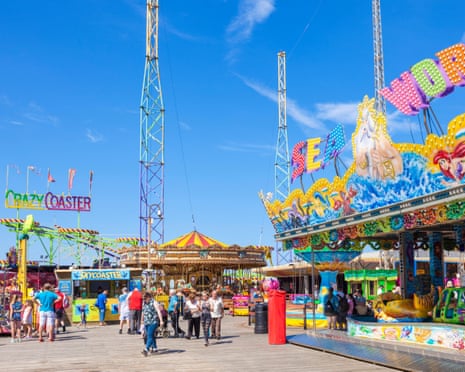
The decline in travel spending is particularly notable given that the sector had been one of the bright spots in the UK economy as it emerged from the COVID-19 pandemic. Pent-up demand for vacations and a desire to make up for lost time had fueled a rebound in the travel industry.
However, the cost of living crisis, driven by factors such as soaring energy bills, rising food prices, and higher taxes, has now taken a toll on consumer confidence and discretionary spending. Britons are grappling with the difficult decision of whether to forgo or scale back their holiday plans in order to prioritize essential expenses.
The impact of the Iran war on the UK economy has also been a significant factor, as the conflict has contributed to global supply chain disruptions and volatile energy prices. These economic ripples have further weighed on consumer sentiment and spending patterns.
As the cost of living squeeze continues to put pressure on household budgets, it remains to be seen how long the pullback in travel spending will last. Industry experts will be closely watching for signs of a potential rebound, as consumers seek to balance their desire for leisure and relaxation with the need to manage their financial obligations.
Source: The Guardian


