
UK's Winter Vegetables: Two Senegal Farms Supply Britain

Discover how two agricultural operations in Senegal have become Britain's primary source of fresh winter vegetables, shipping produce weekly across continents.
When British supermarket shelves remain stocked with fresh vegetables throughout the harsh winter months, few consumers realize the remarkable journey their produce has taken. Two farms in Senegal have quietly become the backbone of Britain's winter fresh produce supply, operating a sophisticated agricultural network that spans continents. These West African operations have revolutionized how the UK maintains its year-round access to essential fruits and vegetables.
The transformation of Senegal into a major agricultural supplier for European markets represents one of the most significant developments in global food distribution over the past two decades. While Britain's domestic farming sector struggles with shorter daylight hours and freezing temperatures, Senegalese farms capitalize on their tropical climate and extended growing seasons. This symbiotic relationship has created a reliable supply chain that keeps British tables supplied with fresh produce when local harvests are impossible.
Every week during Britain's winter season, massive cargo ships depart from Senegal's ports loaded with tons of fresh vegetables destined for UK markets. The logistics operation behind this weekly shipment involves precise coordination between farmers, exporters, shipping companies, and British importers. Advanced cold storage facilities ensure that vegetables maintain their freshness during the multi-day journey across the Atlantic Ocean and through European waters.
The scale of this operation is truly impressive, with these two primary farms covering thousands of hectares of fertile West African soil. Modern irrigation systems, sustainable farming practices, and strategic crop rotation ensure consistent yields throughout the European winter months. Agricultural technology plays a crucial role, with GPS-guided tractors, soil monitoring systems, and climate-controlled greenhouses maximizing both productivity and quality.
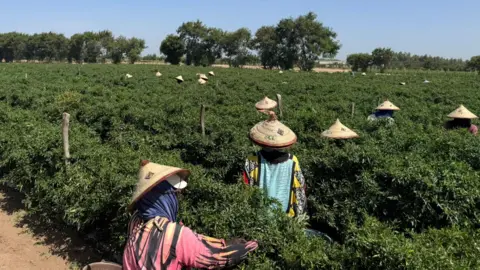
The economic impact of this arrangement extends far beyond simple trade statistics. These farming operations have created thousands of jobs in rural Senegal, providing stable employment for local communities while generating significant foreign exchange for the national economy. British importers benefit from reliable supply chains that help stabilize vegetable prices during peak winter demand periods. The partnership demonstrates how international agricultural cooperation can create mutual benefits for both developing and developed nations.
Environmental considerations have become increasingly important in this West African produce trade. Both farms have implemented sustainable farming practices designed to minimize water usage, reduce chemical inputs, and protect local ecosystems. Solar-powered irrigation systems harness Senegal's abundant sunshine, while organic farming sections cater to growing European demand for environmentally friendly produce.
The variety of vegetables shipped weekly from these Senegalese operations is extensive, including tomatoes, peppers, green beans, cucumbers, and leafy greens that would be impossible to grow outdoors in Britain during winter months. Specialized packaging techniques and controlled atmosphere storage ensure that vegetables arrive in British ports with maximum freshness and shelf life. Quality control measures at both the Senegalese farms and British receiving facilities maintain strict standards that meet European food safety regulations.
Transportation logistics for this weekly cargo ship operation require military-precision planning and execution. Weather patterns, port schedules, and seasonal demand fluctuations all factor into shipping decisions. Backup vessels and alternative routing options ensure that supply chain disruptions are minimized, even when Atlantic storms or port strikes threaten regular schedules.
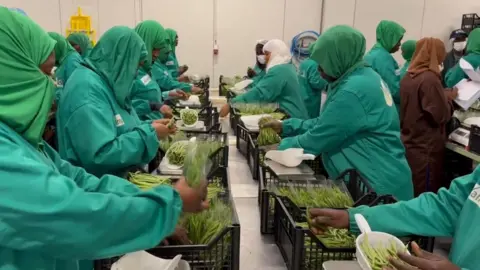
The relationship between these Senegalese farms and British markets has evolved considerably since its inception. Initially focused on basic vegetables, the operations have expanded to include exotic fruits, herbs, and specialty crops that cater to Britain's increasingly diverse culinary preferences. Investment in processing facilities allows for value-added products like pre-washed salads and pre-cut vegetables that command premium prices in British supermarkets.
Training and technology transfer have become integral components of this agricultural partnership. British agricultural experts regularly visit Senegalese operations to share advanced farming techniques, while Senegalese agriculturalists travel to the UK to understand market requirements and consumer preferences. This knowledge exchange has improved crop quality, increased yields, and enhanced the overall efficiency of the supply chain.
Market dynamics continue to drive expansion of these Senegalese agricultural operations. Rising British demand for fresh produce year-round, combined with climate change challenges facing European agriculture, has created opportunities for further growth. Investment in additional farmland, expanded cold storage facilities, and improved port infrastructure positions these operations for continued success in serving British markets.
The success of this West African agricultural model has attracted attention from other developing nations seeking to establish similar relationships with European markets. Government officials from across sub-Saharan Africa have visited these Senegalese operations to study best practices and explore opportunities for replicating this success in their own countries.
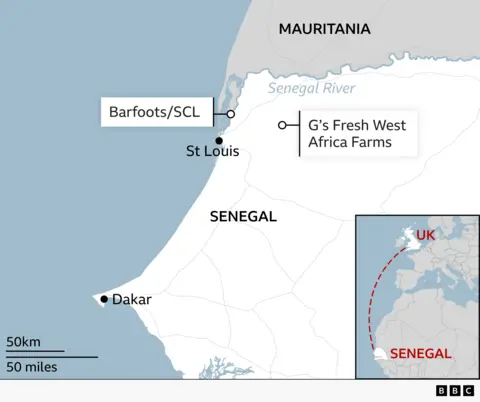
Consumer awareness of this international supply chain remains limited, despite its crucial role in maintaining Britain's food security during winter months. Educational initiatives and marketing campaigns have begun highlighting the journey of vegetables from West African farms to British tables, creating appreciation for the complex logistics involved in year-round fresh produce availability.
Future expansion plans for these Senegalese operations include diversification into organic certification, development of proprietary vegetable varieties optimized for long-distance shipping, and exploration of air freight options for premium products. Climate-controlled shipping containers and advanced preservation technologies promise to further improve product quality and extend the range of vegetables that can be successfully transported from Senegal to Britain.
The economic partnership between these two Senegalese farms and British markets represents a compelling example of how international agricultural cooperation can address food security challenges while creating mutual economic benefits. As global climate patterns continue to evolve and traditional farming regions face new challenges, such innovative supply chain relationships may become increasingly important for ensuring stable food supplies in developed nations.
Source: BBC News


