
UK Home Office Bans Controversial Rapper Ye from Entering Country

The UK Home Office has revoked rapper Ye's visa, effectively banning him from entering the country amid his recent antisemitic remarks and admiration for Hitler.
Kanye West, who now goes by the name Ye, has been barred from entering the United Kingdom by the Home Office. The decision comes after the rapper's recent string of controversial and antisemitic statements, including expressing admiration for Adolf Hitler.
The Home Office confirmed that Ye's visa to perform and travel to the UK has been withdrawn, effectively banning the musician from entering the country. This decision is likely to have significant implications for Ye's planned appearance at the Wireless Festival in the UK later this year.
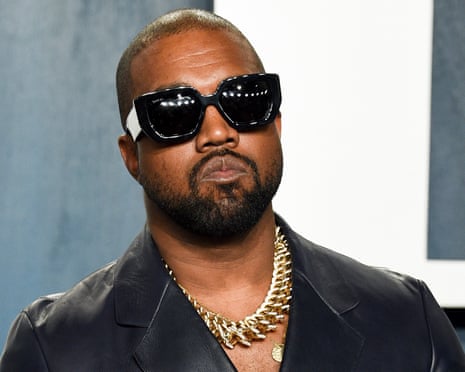
The move by the Home Office underscores the growing backlash against Ye's incendiary rhetoric and behavior. The rapper has faced widespread criticism and condemnation for his repeated antisemitic remarks, which have included praising Hitler and promoting various conspiracy theories targeting the Jewish community.
Many public figures and organizations have distanced themselves from Ye in recent months, with major brands like Adidas and Gap terminating their lucrative partnerships with the musician. The Wireless Festival in the UK had also faced calls to cancel Ye's scheduled appearance prior to the Home Office's decision to revoke his visa.
The Home Office's ban on Ye entering the UK is a significant escalation in the ongoing backlash against the rapper's behavior. It sends a clear message that the British government will not tolerate the promotion of hate and antisemitism within the country's borders.
The decision is likely to have far-reaching implications for Ye's musical career and public profile, as the UK is a major market for his performances and appearances. The revocation of his visa could also set a precedent for other countries to take similar action against the controversial musician.
As the fallout from Ye's antisemitic remarks continues, the Home Office's decision underscores the growing intolerance for hate speech and extremism in the public sphere. This move highlights the responsibility of governments and institutions to address and condemn the spreading of harmful ideologies, particularly when they target vulnerable communities.
Source: The Guardian


