
UK, EU Assess US Supreme Court Tariff Ruling Impact

Britain and EU evaluate implications of Supreme Court decision against Trump's global tariffs while business groups express cautious optimism.
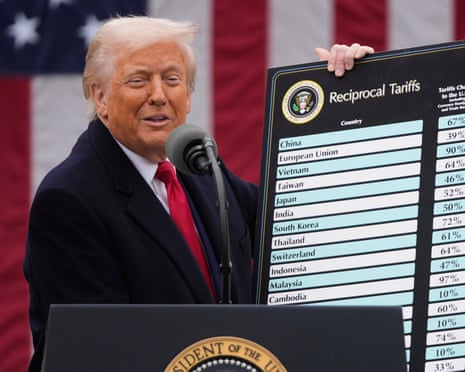
The United Kingdom and European Union have initiated comprehensive assessments following the US Supreme Court ruling that struck down former President Donald Trump's sweeping global tariff regime. The landmark judicial decision has prompted immediate diplomatic consultations between London, Brussels, and Washington as governments scramble to understand the far-reaching implications for international trade relationships.
A senior spokesperson from Downing Street confirmed that British officials are actively engaging with their American counterparts to analyze the court's decision. "The UK government is working with the US to understand how the overturning of Donald Trump's tariffs by the supreme court will affect the UK but expects our privileged trading position with the US to continue," the spokesperson stated during Thursday's briefing.
The Supreme Court's decision represents a significant shift in American trade policy, potentially unwinding years of protectionist measures that had strained relationships with key allies. Legal experts suggest the ruling could restore previous trade arrangements and eliminate barriers that had complicated transatlantic commerce since the tariffs were first implemented.
Business organizations across both sides of the Atlantic have responded with measured optimism, though many are taking a wait-and-see approach before making substantial strategic adjustments. Industry leaders are particularly focused on understanding the timeline for tariff removal and any potential transitional arrangements that might affect ongoing commercial operations.
European Union officials in Brussels have similarly launched their own analysis of the court's ruling, with trade commissioners seeking clarity on how the decision will impact existing trade negotiations and future economic partnerships. The European Commission has established a dedicated task force to monitor developments and coordinate responses across member states.
Trade experts anticipate that the ruling could significantly boost bilateral commerce between the United States and its traditional allies, potentially restoring trade volumes to pre-tariff levels. The decision may also influence ongoing discussions about digital trade regulations, agricultural exports, and manufacturing partnerships that had been complicated by the previous tariff structure.
The Trump administration's tariff policies had created substantial uncertainty in international markets, with many companies delaying investment decisions or restructuring supply chains to avoid punitive duties. The Supreme Court's intervention now provides an opportunity for businesses to reassess their strategic approaches and potentially reverse costly operational changes.
Financial markets have shown positive initial reactions to the news, with currency traders noting strengthening trends in both the British pound and euro against the dollar. Commodity prices have also experienced volatility as investors recalibrate expectations for global trade flows and supply chain configurations.
Manufacturing sectors in both the UK and EU are particularly interested in understanding how the ruling will affect steel, aluminum, and automotive trade, which had been heavily impacted by the previous tariff regime. Industry associations are calling for rapid implementation of any tariff removals to restore competitive market conditions.
The British government's confidence in maintaining its "privileged trading position" reflects ongoing diplomatic efforts to strengthen the special relationship between London and Washington. Officials suggest that bilateral trade discussions have continued despite broader global trade tensions, positioning the UK favorably as tariff barriers are removed.
Legal analysts emphasize that the Supreme Court's decision could establish important precedents for future trade policy, potentially limiting executive authority over tariff implementation and requiring greater legislative oversight. This constitutional dimension adds complexity to the immediate economic implications of the ruling.
Export-oriented businesses in key sectors including technology, pharmaceuticals, and financial services are already beginning preliminary discussions about expanding their American market presence. The removal of tariff barriers could create new opportunities for growth and investment that had been previously constrained by trade restrictions.
Agricultural producers across Europe are expressing particular interest in the ruling's implications for food exports to American markets. The previous tariff regime had significantly impacted agricultural trade, forcing many producers to seek alternative markets or accept reduced profit margins.
The timing of the Supreme Court decision coincides with broader discussions about reforming global trade architecture and strengthening multilateral institutions. Trade policy experts suggest this ruling could provide momentum for broader reforms to international commerce regulations and dispute resolution mechanisms.
Congressional leaders in Washington are already signaling intentions to review existing trade legislation in light of the court's decision. This legislative response could further shape how quickly and completely the previous tariff structure is dismantled, affecting the timeline for economic benefits to materialize.
As governments and businesses continue their assessments, the focus remains on practical implementation details and ensuring that the transition away from the tariff regime proceeds smoothly. The coming weeks are expected to bring greater clarity on specific timelines and procedures for returning to pre-tariff trade relationships.
Source: The Guardian


