
UAE Accuses Iran of Drone Strike Near Nuclear Plant

UAE denounces Iran or its proxies for drone attack near Barakah nuclear facility amid fragile ceasefire and stalled peace negotiations.
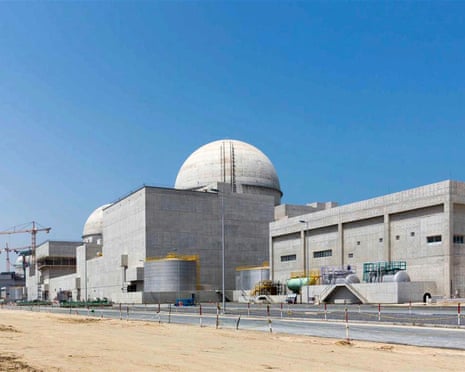
The United Arab Emirates has formally accused Iran or its affiliated proxy forces of launching a drone strike that ignited a fire in close proximity to its Barakah nuclear power plant, marking what officials characterized as a "dangerous escalation" in regional tensions. The incident, occurring during an extremely delicate phase of international negotiations, has intensified concerns about the stability of the existing ceasefire and raised questions about the future of ongoing diplomatic efforts.
According to UAE authorities, the fire near the nuclear plant broke out following what they identified as a drone attack, though the blaze remained relatively contained and posed no immediate threat to the facility's operations. Officials confirmed that no injuries resulted from the incident and that no radiation alerts were triggered, providing some reassurance to regional stakeholders and international observers monitoring the situation closely. However, the symbolic significance of an attack targeting infrastructure near a nuclear facility during a ceasefire period has amplified alarm among diplomatic circles.
The timing of this incident proves particularly consequential, arriving during the sixth week of what has been described as a fragile ceasefire in the broader Iran conflict. Peace negotiations have stalled considerably, with little progress reported on key outstanding issues that continue to divide the parties involved. The ceasefire negotiations have become increasingly contentious, with various stakeholders expressing frustration over the lack of forward momentum in discussions aimed at achieving a lasting resolution.
Compounding the diplomatic challenges, former President Donald Trump has publicly voiced his impatience with the stalled negotiations, suggesting that the extended deadlock undermines confidence in the peace process. Trump's statements have added pressure to negotiators and raised concerns about potential shifts in international policy that could affect the fragile balance currently in place. His criticism of the negotiation pace reflects broader frustration within certain political circles about the inability to reach substantive agreements.
Regional analysts have interpreted the alleged drone strike as a potential message from Iranian forces regarding their dissatisfaction with current negotiation terms or their unwillingness to accept proposed settlement frameworks. The Iran proxy attack comes amid reports of escalating tensions between various regional players, each pursuing competing strategic objectives in the Middle East. Such incidents typically serve as tests of resolve and demonstrations of military capability, sending signals to negotiating partners about the consequences of unfavorable agreements.
The UAE's response has been notably firm, with government officials describing the attack as unacceptable and calling for immediate investigation into the incident's origins. Abu Dhabi has stated its commitment to regional stability while simultaneously warning against further provocations that could undermine the ceasefire arrangement. The nation's formal denunciation of the attack represents an escalation in rhetoric that threatens to worsen already strained relations.
International observers have expressed concern that incidents like this drone strike could trigger a cascade of retaliatory actions that would rapidly unravel the existing ceasefire framework. The Middle East conflict escalation risks would increase significantly if additional attacks occur or if regional powers decide to respond militarily to what they perceive as provocations. The delicate equilibrium that has managed to hold through six weeks of relative calm now appears increasingly vulnerable to disruption.
Diplomatic channels remain active, with various international actors attempting to mediate disputes and encourage all parties to recommit to the ceasefire terms. However, these efforts have encountered substantial headwinds as trust between the involved parties continues to erode due to repeated incidents and perceived violations of agreement terms. The effectiveness of these diplomatic interventions increasingly depends on whether all stakeholders view continued negotiation as more advantageous than military escalation.
The nuclear plant security implications of this incident have also raised broader questions about the vulnerability of critical infrastructure in conflict zones. Experts have emphasized the extraordinary risks posed by military operations near nuclear facilities, particularly given the potential for catastrophic consequences should such facilities sustain significant damage. The incident has prompted renewed discussions about establishing enhanced protection zones around nuclear installations in disputed regions.
Regional powers have begun reassessing their security postures in light of the attack, with several nations reviewing their defense capabilities and strategic positioning. Some analysts suggest that the incident reflects broader uncertainty about the sustainability of current peace arrangements and the commitment of various parties to maintaining ceasefire conditions. This reassessment could lead to military buildups that further destabilize the region.
As investigations into the drone strike continue, questions persist about the attack's origins and the specific group responsible for its execution. Whether the attack originated from Iranian military forces directly or from proxy organizations operating under Iranian influence remains a subject of intense scrutiny. These details carry significant implications for diplomatic responses and the potential trajectory of future negotiations.
The broader context of Iran-UAE tensions has historically involved disputes over maritime boundaries, regional influence, and strategic alliances. This latest incident must be understood within this complex historical framework, as it reflects ongoing competitions for dominance and control within the Middle Eastern geopolitical landscape. The attack demonstrates how deeply entrenched these conflicts remain despite current ceasefire arrangements.
Looking forward, the sustainability of the ceasefire depends heavily on whether leadership on all sides can resist pressure to respond escalatively to incidents such as this drone strike. The challenge facing diplomatic negotiators involves finding mechanisms to address grievances and rebuild trust while preventing isolated incidents from derailing the broader peace process. Success requires careful coordination among international mediators and genuine commitment from conflicting parties to prioritize negotiation over military confrontation.
The UAE's formal accusation and condemnation of the attack signal its determination to maintain the ceasefire despite the provocation, though this restraint may face pressure if additional incidents occur. How regional and international actors respond to this crisis point will significantly influence whether the current peace framework survives or collapses under mounting tension and mutual recriminations. The coming weeks will prove critical in determining whether the fragile ceasefire can withstand such challenges and move toward genuine long-term resolution.
Source: The Guardian


