
Trump Weighs Military Strike on Iran Amid Nuclear Talks

President Trump considers limited military action against Iran as 10-day nuclear deal deadline approaches. Escalating tensions raise global concerns.
President Donald Trump has revealed he is actively considering a limited military strike on Iran as diplomatic tensions continue to escalate over the nation's nuclear program. This latest development marks a significant shift in rhetoric from the White House, coming just one day after Trump issued an ultimatum giving Iran approximately ten days to reach a comprehensive nuclear agreement.
The president's statement on Thursday created immediate ripples across international markets and diplomatic circles, with Trump declaring that the world would discover "over the next, probably, 10 days" whether a peaceful resolution could be achieved or if the United States would pursue military action against Iran. This timeline has placed enormous pressure on both American allies and Iranian leadership to find common ground before the deadline expires.
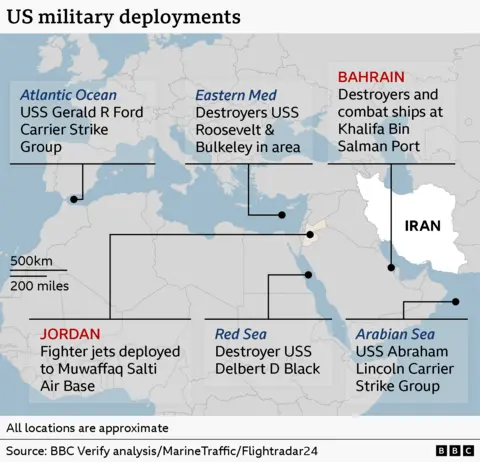
Intelligence sources indicate that the US military presence in the Persian Gulf region has been steadily increasing over recent weeks, with additional naval assets and strategic bombers being positioned within striking distance of Iranian territory. Pentagon officials have confirmed the deployment of the USS Abraham Lincoln carrier strike group and B-52 bombers to the region, sending a clear message about America's military readiness.
The escalating situation has prompted urgent diplomatic consultations among NATO allies, with European leaders expressing deep concern about the potential for Iran nuclear crisis to spiral into broader regional conflict. French President Emmanuel Macron and German Chancellor Angela Merkel have both reached out to their Iranian counterparts, attempting to facilitate last-minute negotiations that could prevent military confrontation.
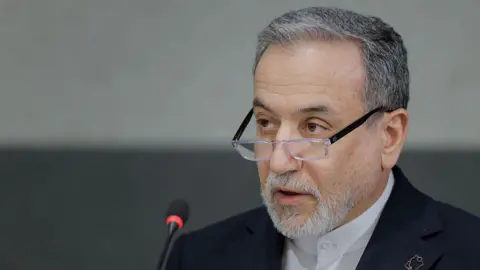
Iran's response to Trump's ultimatum has been characteristically defiant, with Supreme Leader Ayatollah Ali Khamenei stating that the Islamic Republic would not bow to American pressure tactics. Iranian Foreign Minister Mohammad Javad Zarif dismissed the threats as "psychological warfare," while simultaneously indicating that Tehran remains open to diplomatic solutions that respect Iran's sovereignty and regional interests.
The current crisis stems from Iran's gradual withdrawal from key provisions of the 2015 Joint Comprehensive Plan of Action (JCPOA), commonly known as the Iran nuclear deal. Since Trump withdrew the United States from the agreement in 2018 and reimposed crippling economic sanctions, Iran has systematically exceeded uranium enrichment limits and reduced international inspections of its nuclear facilities.
International Atomic Energy Agency (IAEA) reports confirm that Iran's uranium stockpile now significantly exceeds the limits established under the original nuclear agreement. Current enrichment levels, while still below weapons-grade purity, represent a substantial step toward potential nuclear weapons capability, raising alarm bells throughout the international community.
Economic analysts warn that any military strike on Iran could have devastating consequences for global oil markets, given Iran's strategic position along the Strait of Hormuz, through which approximately 20% of the world's oil supply passes daily. Crude oil prices have already surged in response to Trump's latest statements, with Brent crude climbing above $70 per barrel amid supply disruption fears.
Congressional leaders from both parties have called for immediate briefings from the Trump administration regarding any potential military plans. House Speaker Nancy Pelosi emphasized that any significant military action would require congressional approval, while Senate Foreign Relations Committee members have demanded transparency about the administration's strategic objectives and exit strategy.
Regional allies, particularly Saudi Arabia and Israel, have expressed cautious support for increased pressure on Iran, though both nations have privately urged Washington to exhaust all diplomatic options before resorting to military force. Israeli Prime Minister Benjamin Netanyahu has long advocated for a tougher stance against Iran's nuclear ambitions, while Saudi Crown Prince Mohammed bin Salman has emphasized the need for regional stability.
The Iran military tensions have also complicated America's relationships with traditional allies, particularly those still committed to preserving the JCPOA framework. Britain, France, and Germany continue to support the nuclear deal despite American withdrawal, creating a diplomatic rift that could have lasting consequences for transatlantic cooperation on Middle Eastern policy.
Defense experts suggest that any limited military strike would likely target Iran's nuclear facilities, including the Natanz enrichment plant and the Arak heavy-water reactor. However, such operations would carry significant risks of Iranian retaliation against American assets throughout the region, potentially through proxy forces in Iraq, Syria, and Lebanon.
The timing of Trump's ultimatum coincides with increasing domestic pressure regarding his foreign policy legacy, as the president faces reelection challenges and criticism over previous military decisions. Political analysts suggest that the Trump Iran policy reflects both genuine security concerns and electoral considerations, as the president seeks to demonstrate decisive leadership on national security issues.
Intelligence communities across multiple nations are closely monitoring Iranian military movements and communications for any signs of preparation for potential conflict. Satellite imagery has revealed increased activity at Iranian military bases, while cybersecurity experts report heightened digital surveillance and potential cyber warfare preparations from both sides.
As the ten-day deadline approaches, international diplomatic efforts are intensifying, with Russia and China both calling for restraint and renewed negotiations. The United Nations Security Council has scheduled emergency sessions to address the escalating crisis, though any meaningful resolution remains unlikely given the deep divisions among permanent members regarding Iran policy.
The potential for miscalculation remains high, with military commanders on both sides operating under heightened alert status. Historical precedents suggest that such tense standoffs can quickly escalate beyond initial intentions, particularly in the volatile Middle Eastern political environment where multiple proxy conflicts and regional rivalries intersect with great power competition.
Source: BBC News


