
Trump Slams US-Born Pope Leo as 'Weak' and 'Terrible'

Former president Donald Trump unleashes scathing attack on Pope Leo XIV, accusing him of being 'not doing a very good job' and 'a very liberal person'.
President Donald Trump delivered an extraordinary broadside against Pope Leo XIV on Sunday night, saying he didn't think the US-born leader of the Catholic church is "not doing a very good job" and that "he's a very liberal person," while also suggesting the pontiff should "stop catering to the Radical Left."
Flying back to Washington from Florida, Trump used a lengthy social media post to sharply criticize Leo, then kept it up in comments on the tarmac to reporters.
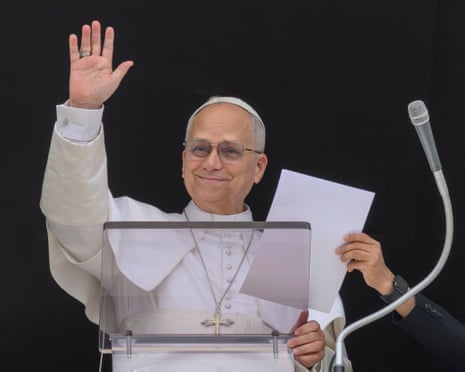
The unprecedented attack on the leader of the Catholic church came as a surprise to many, with Trump's comments representing a stark departure from the traditional relationship between the US presidency and the papacy.
During his time in office, Trump had maintained a somewhat cordial relationship with the pontiff, even hosting him at the White House in 2017. However, the former president's harsh rhetoric towards Leo appears to signal a growing rift between the two leaders over issues such as immigration, climate change, and social justice.
In his scathing social media tirade, Trump accused Leo of "catering to the Radical Left" and suggested the pope was not doing enough to support conservative causes. The former president's inflammatory remarks drew swift condemnation from Catholic leaders and political commentators across the political spectrum.
Despite the backlash, Trump doubled down on his criticism of Leo in his comments to reporters, calling the pontiff "weak" and "terrible" and accusing him of being "out of touch" with the concerns of ordinary Americans.
The escalating feud between Trump and Leo highlights the growing polarization within the US political landscape, as well as the increasing tensions between conservative and progressive factions within the Catholic church. As the 2024 presidential election looms, the fallout from this contentious exchange could have significant implications for both the political and religious landscape of the country.
,Source: The Guardian


