
Trump's Chaos: Media Ignores Alarming Behavior

Trump's erratic behavior, self-dealing, and constant lies are treated as normal by mainstream media outlets covering his presidency.
The Trump presidency continues to generate headlines marked by increasingly erratic and concerning behavior, yet much of the mainstream media appears to have normalized these troubling patterns. What should constitute genuine alarm bells in political coverage instead gets filed away as simply another day in the news cycle, treated with a shrug and the dismissive phrase "that's just Trump being Trump."
The evidence of problematic conduct is mounting at an accelerating pace. His social media posts frequently veer into incoherent territory, seemingly unfiltered and occasionally disturbing in their content and tone. In high-level diplomatic meetings, the president has reportedly appeared to be dozing off, raising serious questions about his engagement with critical matters of national security and international relations. Perhaps most disturbingly, Trump has openly admitted to disregarding the economic concerns of ordinary Americans when negotiating with Iran, stating plainly that he's not thinking "even a little bit" about American finances in these crucial talks.
The pattern of deception underlying the administration's messaging cannot be overlooked. Trump's lies about the supposed accomplishments and justifications for the military conflict with Iran persist despite being repeatedly fact-checked and contradicted by available evidence. The war itself was initiated without clear justification or international consensus, yet the administration continues to misrepresent both its origins and outcomes to the American public.
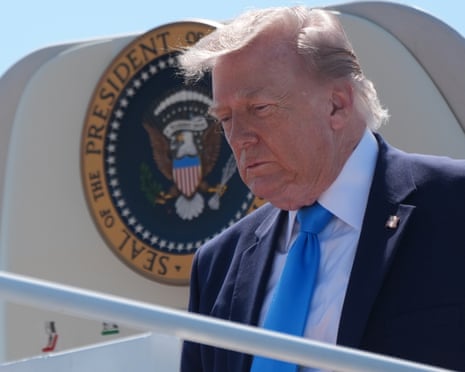
Beyond the immediate personal conduct concerns, the broader agenda of this administration reveals systemic threats to American institutions and democratic principles. The Trump administration has overseen what can only be described as the ruination of the Kennedy Center, one of America's most important cultural institutions. Plans have been unveiled for the construction of a ballroom, or possibly a bunker, to replace the historic White House East Wing, a project that raises eyebrows regarding both security concerns and the administration's priorities.
Perhaps most troubling from a democratic standpoint is the damage being inflicted upon voting rights protections. The Trump-aligned Supreme Court has been wielding what amounts to a metaphorical wrecking ball against the voting rights of Black Americans, systematically dismantling decades of civil rights protections and legal frameworks designed to ensure equal access to the ballot. These decisions represent a fundamental assault on democratic representation and equal protection under the law.
The administration's approach to self-dealing remains staggering in its brazenness. Rather than implementing the kind of ethical guardrails and separation of personal and governmental interests that typically characterize presidential conduct, this administration has made little effort to conceal the intertwining of Trump's personal business interests with his governmental authority and decision-making processes.

Equally alarming is the systematic abuse of the Department of Justice, an institution that should operate independently to serve the rule of law and protect constitutional rights. Instead, the DOJ has been repurposed as a tool for advancing the personal political agenda of the sitting president, representing a profound corruption of its intended function and a threat to the impartial administration of justice.
What is perhaps most striking about this entire situation is how the mainstream media has responded to this cascade of concerning developments. Rather than treating these incidents with the gravity and scrutiny they deserve, much of the political press corps has adopted a tone of weary familiarity, as if the alarming has simply become routine. Each new outrageousness is quickly absorbed into the background noise of the news cycle, reported without sufficient context or editorial reflection about what these patterns mean for the future of American governance.
The phrase "priced in" has become a common refrain in media coverage, suggesting that markets and observers have already incorporated these risks into their calculations and therefore there's no need for heightened alarm. This framing is fundamentally flawed when applied to threats to democratic institutions and constitutional governance. The stakes of a presidency that engages in constant deception, appears unfit for the demands of the office, and systematically abuses power cannot simply be "priced in" as an acceptable cost of doing business.
The normalization of abnormal conduct represents a dangerous failure of institutional checks and media accountability. When unprecedented actions become merely "what Trump does," we have crossed a troubling threshold in how we evaluate presidential fitness and conduct. The press has a responsibility to maintain standards of critical inquiry and to alert the public when those standards are being egregiously violated.
The compounding nature of these concerns makes them even more serious. It's not merely one incident or one policy disagreement; it's a pattern of behavior that suggests either a fundamental lack of seriousness about the presidential office or an active contempt for the constraints that should bind executive power. The apparent drowsiness during meetings combined with negligent disregard for economic consequences, coupled with systematic dishonesty and institutional corruption, paints a picture of governance that is fundamentally broken.
As these developments unfold, the question for the American public and for democratic institutions becomes whether we will allow the bar for presidential conduct to be permanently lowered, whether we will accept that chaos and self-dealing are simply the new normal, or whether we will demand that our elected leaders meet basic standards of honesty, competence, and respect for constitutional limits on power. The media's role in shaping this narrative cannot be understated.
Source: The Guardian


