
Trump Memecoin Investors Lost Billions

Trump's memecoin caused billions in losses for investors. Democrats may ban presidential crypto profits if they retake Congress this fall.
The trajectory of Donald Trump's memecoin venture has become a cautionary tale in the cryptocurrency world, with another planned promotional event potentially marking the final chapter of this controversial digital asset experiment. The next scheduled gala and publicity campaign surrounding the memecoin appears unlikely to reverse the significant financial damage already inflicted on retail investors who poured money into the project with hopes of substantial returns.
As political winds shift heading into the fall congressional elections, Democratic lawmakers are preparing legislative measures that could fundamentally alter the landscape of presidential cryptocurrency involvement. If Democrats successfully reclaim control of Congress, they are positioned to rapidly advance new legislation specifically designed to prevent the sitting president and members of his immediate family from profiting directly from digital tokens and cryptocurrency ventures. This proposed ban represents an unprecedented attempt to close what government ethicists have identified as a significant and troubling loophole in conflict-of-interest regulations.
The ethical concerns surrounding this memecoin scandal have reverberated through government agencies and oversight bodies. Career government ethicists have expressed deep disturbance about the implications of allowing a sitting president to directly benefit from a cryptocurrency project launched while holding the nation's highest office. The situation has raised fundamental questions about the separation between personal financial interests and the duties of the presidency.
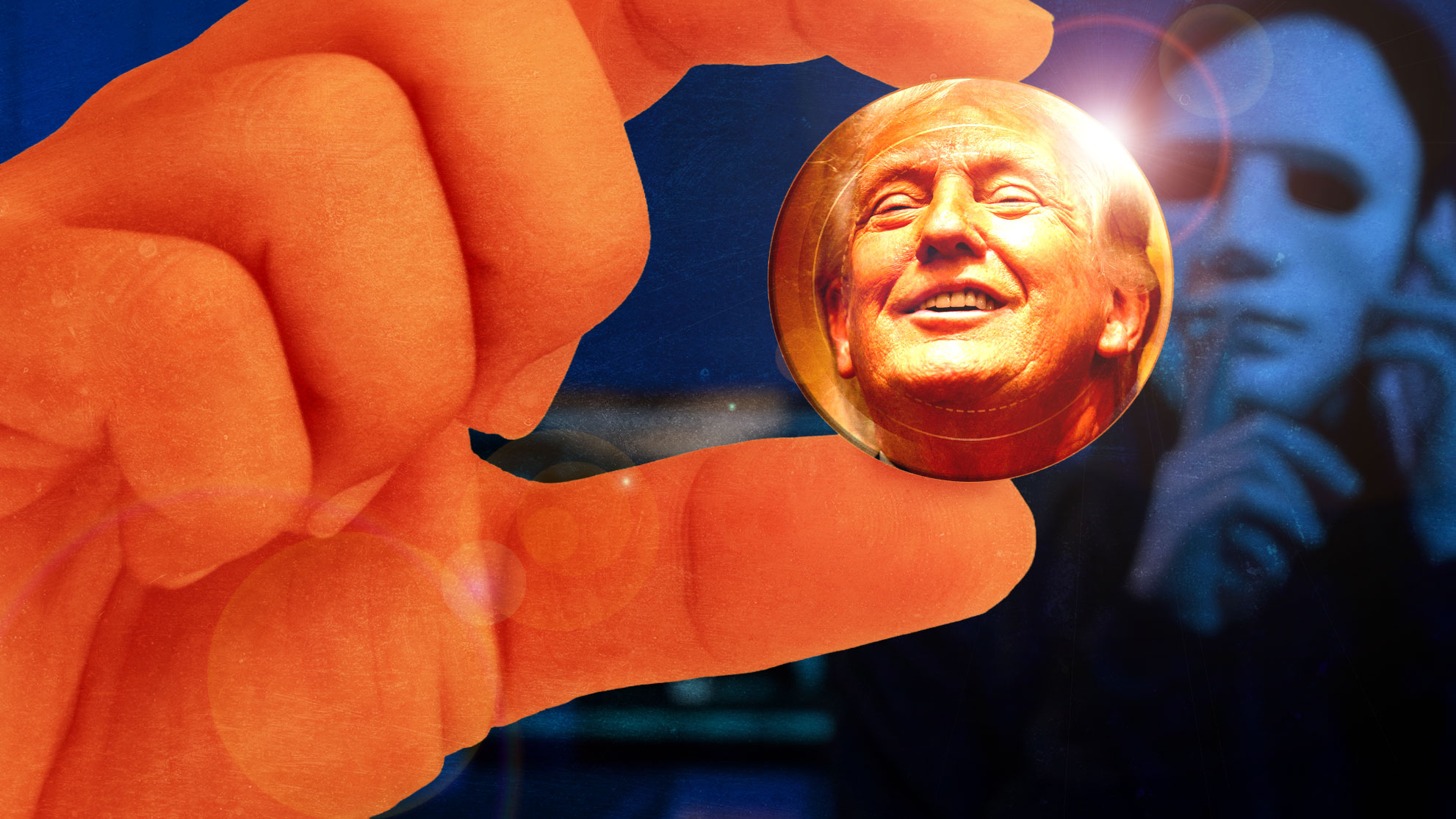
Trump made history—albeit not in a positive way—by launching his official memecoin just before his January 2025 inauguration, becoming the first sitting president in American history to release his own cryptocurrency token. This unprecedented move immediately caught the attention of financial regulators, ethics officers, and cryptocurrency watchdogs who questioned the propriety and legality of such an action. The timing of the launch, coordinated just as he assumed the presidency, compounded concerns about potential conflicts of interest and the blending of personal financial gain with presidential duties.
The financial performance of Trump's memecoin tells a stark story of investor losses and market volatility. Since the token's launch, Trump and his family members have reportedly accumulated over $280 million in profits from the memecoin venture, while the overall value of the cryptocurrency has experienced a dramatic collapse. This stark disparity between family wealth accumulation and token depreciation has fueled accusations that the memecoin was primarily designed as a wealth extraction scheme rather than a legitimate cryptocurrency project with intrinsic value.
Retail investors who purchased the memecoin during its initial phases have suffered substantial financial losses as the token's value has declined precipitously from its peak. Estimates suggest that billions of dollars in investor capital has evaporated, with many individuals losing their entire investments in what they believed was a potentially profitable cryptocurrency opportunity. The losses extend across demographic groups, affecting both novice cryptocurrency enthusiasts and more experienced traders who were drawn in by the presidential endorsement and high-profile promotion.

The response from the Democratic party has been swift and focused on legislative solutions to prevent similar scenarios in the future. Party leadership has identified the memecoin controversy as a critical example of why new safeguards and regulatory frameworks are necessary to protect citizens from presidential involvement in speculative financial instruments. Democratic legislators are working on comprehensive bills that would create explicit prohibitions against sitting presidents, vice presidents, and their immediate family members from launching, promoting, or profiting from cryptocurrency tokens or similar digital assets.
The proposed legislation would represent a significant expansion of existing ethics and conflict-of-interest rules that govern presidential conduct. Currently, the legal framework governing presidential financial activities contains substantial gaps, particularly regarding emerging technologies like cryptocurrency and digital tokens. The new legislative push aims to close these gaps definitively and establish clear, enforceable boundaries that prevent future administrations from exploiting similar loopholes.
Government ethics officials have outlined multiple ways in which the Trump memecoin violated the spirit, if not always the letter, of existing regulations. The fundamental issue centers on whether a sitting president can ethically profit from a token that benefits from his official position, access to media platforms, and the credibility conferred by holding the nation's highest office. Ethics experts argue that investors were essentially buying access to the president's personal brand and influence, rather than investing in a token with underlying value or utility.
The planned gala and subsequent promotional events are viewed by critics as attempting to prop up investor confidence in a fundamentally compromised asset. Marketing specialists note that no amount of high-profile events or celebrity appearances can reverse the underlying damage to the memecoin's credibility and market position. The token's poor performance reflects not merely market conditions or technical factors, but rather a loss of investor trust stemming from the perception that the project was designed primarily to benefit the Trump family rather than token holders.
Political analysts predict that the memocoin scandal will become a central issue in the fall elections, with Democratic candidates highlighting the situation as evidence of Republican corruption and financial malfeasance. The narrative of a sitting president enriching himself through a speculative cryptocurrency scheme resonates powerfully with voters concerned about political ethics and accountability. This political dimension adds urgency to Democratic efforts to pass restrictive legislation before Republicans potentially retain control of Congress.
The international implications of Trump's memecoin venture are also noteworthy, as other countries monitor how the United States addresses presidential cryptocurrency involvement. Some nations have already implemented stricter regulations governing political figure involvement in digital assets, positioning themselves as more ethically stringent than the United States. The Trump memocoin situation may ultimately accelerate global regulatory efforts to prevent similar scenarios from occurring in other democracies.
Looking forward, legal experts believe that even if Republicans maintain congressional control, the memocoin scandal will likely prompt some form of regulatory response at the federal or state level. The sheer magnitude of investor losses and the unprecedented nature of presidential involvement in cryptocurrency make it politically difficult for any administration to ignore the issue entirely. However, the scope and strength of any regulatory action will depend heavily on electoral outcomes and the political composition of Congress.
The Trump memecoin episode serves as a pivotal moment in cryptocurrency history, demonstrating both the volatility and the potential for manipulation within digital asset markets. It has exposed vulnerabilities in the current regulatory framework and highlighted the need for clearer boundaries between personal financial interests and public office. Whether the planned gala and promotional efforts can reverse investor losses remains highly doubtful, as the fundamental issues of trust, ethics, and regulatory oversight continue to undermine confidence in the token's future prospects.
Source: Ars Technica


