
Trump Considers Venezuela Visit Amid Oil Industry Hurdles

US President Trump explores Venezuela trip to boost American energy extraction, but oil companies remain hesitant due to ongoing political and economic challenges.
President Donald Trump is reportedly contemplating a diplomatic visit to Venezuela as part of his broader strategy to expand American energy dominance in the region. The potential trip signals a significant shift in US-Venezuela relations, which have been strained for years due to political instability and economic sanctions. Sources close to the administration suggest that Trump views Venezuela's vast oil reserves as a crucial opportunity for American energy companies to establish a stronger foothold in South American crude extraction.
The initiative comes at a time when the United States is seeking to diversify its energy partnerships and reduce dependence on traditional Middle Eastern suppliers. Venezuela possesses some of the world's largest proven oil reserves, estimated at over 300 billion barrels, making it an attractive prospect for international energy investment. Trump's interest in the region aligns with his administration's "America First" energy policy, which prioritizes domestic energy security and economic benefits for American corporations.
However, the path forward for American energy firms in Venezuela remains fraught with challenges. The country's political landscape continues to be volatile, with ongoing disputes over governmental legitimacy and widespread economic instability affecting business operations. Many US oil companies have expressed reservations about entering the Venezuelan market, citing concerns about regulatory uncertainty, infrastructure deterioration, and potential risks to their investments and personnel.
Industry executives have privately voiced skepticism about the feasibility of large-scale operations in Venezuela under current conditions. The country's oil infrastructure has suffered significant degradation over the past decade, requiring substantial capital investment to restore production capabilities to internationally competitive levels. Additionally, the complex web of international sanctions and legal frameworks surrounding Venezuelan oil extraction presents ongoing compliance challenges for multinational corporations.
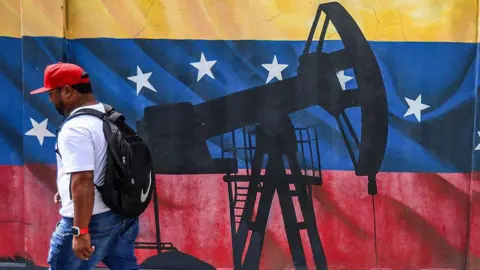
Energy sector analysts point to several specific obstacles that American firms would need to navigate. The Venezuelan government's history of nationalizing foreign assets has created a climate of uncertainty among potential investors. Previous experiences of international oil companies in the region have demonstrated the risks associated with sudden policy changes and governmental interference in business operations. These historical precedents continue to influence corporate decision-making processes regarding Venezuelan investments.
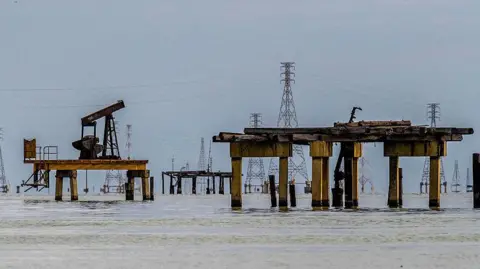
The technical challenges facing potential American operations in Venezuela are equally significant. Years of underinvestment and maintenance deferrals have left much of the country's oil extraction and refining infrastructure in poor condition. Bringing facilities up to modern operational standards would require billions of dollars in capital expenditure, with uncertain timelines for return on investment. The skilled workforce necessary for complex oil operations has also been depleted due to economic migration and political instability.
Despite these challenges, some industry observers believe that American involvement in Venezuelan oil production could provide mutual benefits. US technological expertise and capital investment could help revitalize Venezuela's energy sector while providing American companies with access to substantial crude reserves. The potential for job creation in both countries and increased energy security for the United States adds political appeal to such arrangements.
Trump's consideration of a Venezuela visit would mark a notable diplomatic development in regional relations. Previous US administrations have maintained varying degrees of engagement with Venezuelan leadership, but direct presidential visits have been rare due to political sensitivities. The timing of such a visit would be crucial, requiring careful coordination with regional allies and consideration of ongoing domestic political dynamics in both countries.
The geopolitical implications of increased American energy involvement in Venezuela extend beyond bilateral relations. Regional powers including Brazil, Colombia, and other South American nations are closely monitoring developments that could affect energy markets and political stability in the region. International organizations and traditional US allies have expressed varying perspectives on engagement strategies with Venezuela, creating additional diplomatic considerations for the Trump administration.
Financial markets have responded cautiously to reports of potential American energy expansion in Venezuela. Oil futures and energy sector stocks have shown modest movements based on speculation about new supply sources and investment opportunities. However, traders and analysts emphasize that significant market impacts would depend on the scale and timeline of any actual operations, which remain highly uncertain given current political and economic conditions.
Environmental considerations also factor into discussions about Venezuelan oil development. American energy companies operating internationally face increasing scrutiny regarding environmental standards and sustainability practices. Any operations in Venezuela would need to address concerns about environmental protection, local community impacts, and compliance with international environmental agreements that govern offshore and onshore drilling activities.
The role of Congress in approving or restricting Venezuelan energy initiatives adds another layer of complexity to Trump's plans. Legislative oversight of international energy investments, particularly in politically sensitive regions, could influence the scope and structure of any American corporate involvement. Bipartisan concerns about human rights, democratic governance, and regional stability may affect congressional support for expanded Venezuelan engagement.

Labor organizations in both countries are watching developments with interest, as expanded oil extraction operations could create employment opportunities while also raising questions about worker safety and labor standards. American energy unions have historically supported domestic energy development but maintain concerns about international operations that might affect domestic job markets. Venezuelan labor groups face their own challenges related to economic instability and political pressures affecting worker rights and representation.
Technology transfer and knowledge sharing represent potential benefits of increased American involvement in Venezuelan energy production. US companies possess advanced extraction technologies and operational expertise that could improve efficiency and environmental performance in Venezuelan oil fields. Such technological collaboration could serve broader diplomatic and economic objectives while advancing industry standards in the region.
The timeline for any potential Trump visit to Venezuela remains unclear, with administration officials emphasizing that multiple factors must be considered before finalizing travel plans. Security assessments, diplomatic preparations, and coordination with American business interests would all require careful planning and execution. The success of such a visit would likely be measured by concrete agreements and commitments rather than symbolic gestures alone.
As discussions continue, the fundamental tension between Trump's ambitious energy objectives and the practical reluctance of American oil companies to engage in Venezuelan operations remains unresolved. Bridging this gap will require addressing the legitimate concerns of private sector stakeholders while pursuing broader strategic objectives. The outcome of these deliberations could significantly influence US energy policy and regional relationships for years to come.
Source: BBC News


