
Trump Considers Limited Military Strike Against Iran

President Trump escalates tensions with Iran, threatening military action while giving Tehran 10 days to negotiate nuclear deal curbs.
President Donald Trump has escalated tensions with Iran by announcing he is actively considering a limited military strike against the Islamic Republic, marking a significant departure from diplomatic negotiations. This latest development represents one of the most direct military threats issued by the Trump administration against Iran since taking office.
The president's hawkish stance comes just 24 hours after he presented Iran with what amounts to an ultimatum - approximately 10 days to agree to a comprehensive deal that would significantly curb the nation's nuclear program. This dual approach of diplomatic pressure combined with military threats reflects the administration's strategy of maximum pressure on the Iranian regime.
The timing of Trump's military strike consideration appears designed to add urgency to ongoing negotiations while demonstrating American resolve. Foreign policy experts suggest this represents a calculated escalation intended to bring Iran back to the negotiating table on terms more favorable to the United States and its regional allies.
Iran's nuclear program has been a central point of contention since Trump withdrew the United States from the Joint Comprehensive Plan of Action (JCPOA) in 2018. The original agreement, negotiated during the Obama administration, provided sanctions relief in exchange for limitations on Iran's nuclear activities. Since the U.S. withdrawal, Iran has gradually reduced its compliance with the deal's restrictions.
The president's latest Iran military threat comes amid rising tensions in the Middle East, where Iranian proxies have increased activities across the region. Intelligence reports suggest Iran has been advancing its uranium enrichment capabilities, moving closer to weapons-grade material production, which has alarmed both Washington and its allies, particularly Israel and Saudi Arabia.
Military analysts believe any potential limited strike on Iran would likely target nuclear facilities or military installations rather than civilian infrastructure. Such an operation would aim to degrade Iran's nuclear capabilities without triggering a full-scale regional conflict. However, experts warn that even limited military action could have unpredictable consequences given Iran's network of proxy forces throughout the Middle East.
The 10-day timeframe mentioned by Trump creates an unprecedented deadline for Iranian nuclear negotiations. This compressed timeline suggests the administration may be preparing for military action if diplomatic efforts fail to produce immediate results. The deadline coincides with increasing pressure from Congress and allies for a definitive resolution to the Iranian nuclear crisis.
Iranian officials have yet to formally respond to Trump's ultimatum, though Supreme Leader Ali Khamenei has previously stated that Iran will not negotiate under pressure or threats. The Iranian government has consistently maintained that its nuclear program is for peaceful purposes, despite international skepticism about its ultimate intentions.
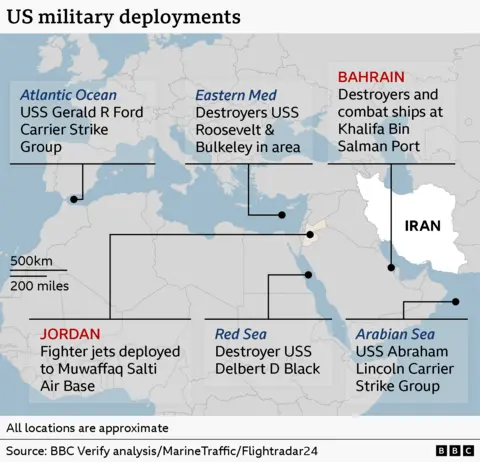
Regional allies have expressed mixed reactions to the possibility of U.S. military action against Iran. While Israel and Saudi Arabia have long advocated for a tougher stance against Iran, some European allies prefer continued diplomatic engagement. The potential for military action has created divisions within the international community about the best approach to addressing Iran's nuclear ambitions.
Defense Secretary and other Pentagon officials are reportedly developing contingency plans for various military scenarios, ranging from targeted airstrikes to more comprehensive operations. These preparations include coordination with regional allies and assessment of potential Iranian retaliation capabilities, particularly through proxy forces in Iraq, Syria, Lebanon, and Yemen.
The economic implications of potential military action are also significant. Oil markets have already shown volatility in response to escalating tensions, and any military confrontation could disrupt global energy supplies given Iran's strategic position in the Persian Gulf. The Strait of Hormuz, through which approximately 20% of global oil passes, remains a particular concern for international markets.
Congressional leaders from both parties have called for briefings on the administration's Iran strategy, with some Democrats expressing concern about the rush toward military action without adequate legislative consultation. The War Powers Act and other constitutional considerations may complicate any extended military engagement without formal congressional approval.
Intelligence assessments suggest Iran has been preparing for potential military confrontation by dispersing key assets and hardening critical infrastructure. The Revolutionary Guard Corps has also increased readiness levels and positioned forces throughout the region, indicating Tehran is taking the military threats seriously while maintaining public defiance.
The international nuclear watchdog, the International Atomic Energy Agency (IAEA), continues to monitor Iran's nuclear activities, though access has been increasingly restricted. Recent reports indicate Iran has accumulated significant quantities of enriched uranium beyond the limits established in the original nuclear agreement, adding urgency to the current crisis.
As the 10-day deadline approaches, diplomatic channels remain active despite the military posturing. European allies continue to seek a diplomatic resolution while American negotiators work to establish terms that would satisfy both Washington's security concerns and Iran's economic needs. However, the wide gap between positions makes a breakthrough increasingly unlikely within the compressed timeframe.
The potential consequences of military action extend beyond immediate regional impacts, with implications for global nuclear non-proliferation efforts and America's relationships with allies. The outcome of this critical period may determine the trajectory of Middle Eastern geopolitics for years to come, making the next ten days crucial for international stability.
Source: BBC News


