
Trump Confirms US-Iran Ceasefire Amid Hormuz Strait Tensions

US-Iran ceasefire remains intact after military exchange in Strait of Hormuz. Iran disputes claims, accusing US of targeting oil tankers and coastal attacks.
The US-Iran ceasefire remains officially in place despite a significant military exchange in one of the world's most critical waterways, according to statements from the Trump administration. The incident, which occurred in the Strait of Hormuz, has reignited tensions between the two nations and prompted accusations from Tehran regarding alleged violations of the fragile peace agreement that has been brokered between the longtime adversaries.
Iranian officials have lodged formal complaints against the United States, asserting that American forces violated the terms of the truce by targeting a commercial oil tanker in the contested waterway and conducting military operations against coastal installations. These allegations represent the most serious challenge to the ceasefire since its implementation, highlighting the precarious nature of the agreement and the readiness of both sides to employ military force when provoked.
In response to the Iranian accusations, President Trump has doubled down on the administration's position that the ceasefire remains intact while simultaneously issuing a stern warning to Tehran. The president's statement, which combined reassurance about the peace deal with a clear threat of escalated military action, underscores the delicate balance the administration is attempting to maintain in its approach to Iran policy.
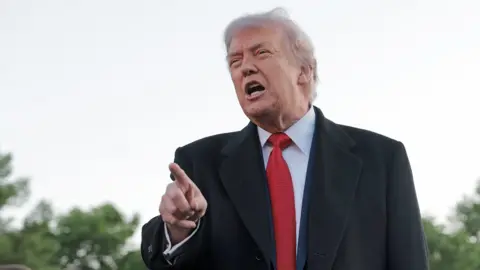
Trump's rhetoric has taken a particularly aggressive tone in recent statements, emphasizing American military superiority and capability. The president declared that just as the US military had demonstrated its prowess in the recent exchange of fire, the nation would be prepared to respond with even greater force and intensity should Iran continue to test the boundaries of the ceasefire agreement or engage in further provocative actions.
The Strait of Hormuz serves as one of the world's most strategically important maritime passages, with approximately one-third of all seaborne traded oil passing through its waters daily. Any disruption to shipping in this region has the potential to affect global energy markets and international commerce, making the maintenance of peace in the area a matter of considerable concern for nations worldwide. The recent military confrontation therefore carries implications far beyond the immediate bilateral US-Iran relationship.
The escalation in the Strait of Hormuz comes at a time of already heightened tensions in the Middle East, where multiple regional conflicts continue to simmer beneath the surface. The US military presence in the Persian Gulf has been significantly expanded in recent years, with the deployment of additional naval vessels, military personnel, and advanced defensive systems designed to protect American interests and those of regional allies.
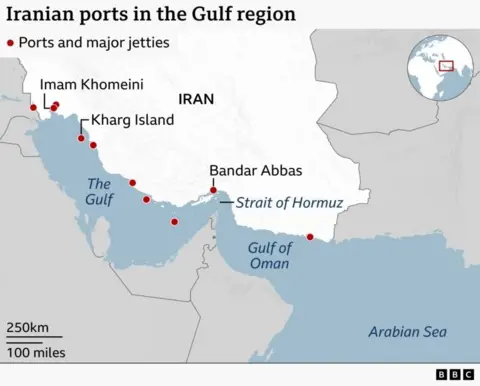
Iran's response to the alleged American violations reflects a pattern of escalating rhetoric and counter-accusations that has characterized the relationship between Washington and Tehran. The Islamic Republic has consistently maintained that it reserves the right to defend its sovereignty and territorial waters against what it characterizes as unjustified American military incursions and provocations.
The ceasefire agreement, which represents a significant diplomatic achievement after years of escalating hostilities, was designed to create space for renewed negotiations and de-escalation between the two powers. However, both nations have demonstrated a willingness to employ military force when they perceive threats to their respective interests, raising questions about the durability and long-term viability of the peace arrangement.
Military analysts have noted that the recent exchange represents a critical test of the ceasefire's strength and the commitment of both parties to maintaining the peace. The ability of both the United States and Iran to step back from further escalation will likely determine whether the ceasefire can evolve into a more permanent and stable diplomatic arrangement, or whether it will eventually collapse under the weight of accumulated grievances and military tensions.
The Trump administration's approach to managing the crisis has emphasized both the strength of American military capabilities and the willingness to negotiate, though critics have questioned whether the simultaneous pursuit of these objectives can be effectively balanced. The administration's strategy appears designed to demonstrate resolve while leaving room for dialogue and potential de-escalation through diplomatic channels.
Looking forward, observers of Middle Eastern affairs and international relations experts are closely monitoring the situation to assess whether this latest incident signals the beginning of a renewed conflict spiral or merely a temporary flare-up in what remains an fundamentally fragile peace arrangement. The stakes for regional stability and global energy security are substantial, making the trajectory of US-Iran relations a matter of intense international concern and scrutiny.
The ceasefire agreement between the United States and Iran represents an important step toward reducing tensions in one of the world's most volatile regions. However, the recent military exchange in the Strait of Hormuz has demonstrated that maintaining this peace requires sustained commitment from both nations and continued diplomatic engagement at the highest levels of government. The coming weeks and months will be critical in determining whether this fragile arrangement can withstand the pressures and provocations that continue to threaten its stability.
Source: BBC News


