
Trump Assassination Suspect Enters Not Guilty Plea

Cole Tomas Allen, 31, pleads not guilty to charges of attempting to assassinate President Donald Trump at a Washington dinner event.
In a significant development in a high-profile federal case, Cole Tomas Allen, a 31-year-old man, has entered a not guilty plea to serious federal charges stemming from an alleged assassination attempt targeting US President Donald Trump. The plea was entered during a court appearance in Washington, marking the first formal legal response from the accused since his arrest in connection with the incident.
The charges against Allen represent some of the most severe federal offenses available under United States law. Attempted assassination of a sitting president is treated as a crime of national significance, with substantial prison sentences and extensive federal resources devoted to investigation and prosecution. Legal experts note that such cases are prosecuted with the full weight of federal law enforcement agencies working in coordination.
Allen's alleged involvement in the incident at a Washington-area dinner event has drawn significant attention from both law enforcement and the public. Details surrounding the circumstances of the alleged threat and how authorities responded remain subjects of ongoing investigation. The case highlights the ongoing security challenges faced by senior government officials and the extensive protective measures in place to safeguard national leadership.
Federal prosecutors have presented evidence and testimony regarding the alleged threat, which law enforcement officials claim originated at the dinner venue. The investigation into the incident has involved multiple federal agencies, including the Secret Service, FBI, and other relevant authorities responsible for protecting the President and investigating federal crimes.

The legal proceedings against Allen are expected to continue through the federal court system, with various pretrial motions and hearings scheduled in the coming weeks and months. His not guilty plea suggests that the defense intends to challenge the prosecution's case or contest the specific allegations presented by federal prosecutors. The outcome of this case could have significant implications for how similar cases are prosecuted in the future.
Security around high-profile government officials has intensified in recent years in response to various threats and incidents. The Secret Service maintains a sophisticated apparatus designed to identify, investigate, and neutralize potential threats to protected individuals. This particular incident underscores the reality that threats against national leadership persist and require vigilant monitoring and swift law enforcement response.
Allen's background and motivations for the alleged threat are subjects of ongoing investigation. Federal authorities have been examining his personal history, communications, and any connections to organizations or ideologies that may have motivated his alleged actions. Such investigations typically involve extensive analysis of digital communications, financial records, and testimony from associates and witnesses.
The case has drawn attention from legal analysts and national security experts who are monitoring how federal prosecutors approach the matter. Federal charges of this magnitude typically result in significant penalties if the defendant is convicted. The prosecution will need to present compelling evidence linking Allen directly to the alleged assassination attempt and demonstrating his intent to carry out harm against the president.
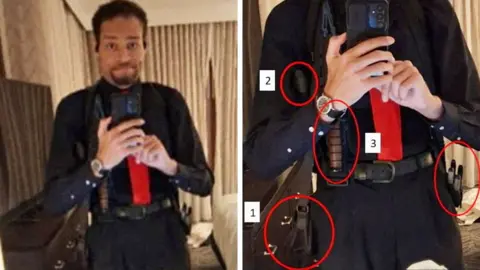
From a procedural standpoint, the not guilty plea sets the stage for either a trial or potential plea negotiations between defense counsel and federal prosecutors. Many serious federal cases are resolved through plea agreements, though the specific circumstances of this case and the seriousness of the charges suggest that negotiations may prove complex. The defense team will likely pursue all available legal strategies to protect their client's interests.
The protection of sitting presidents involves coordination among multiple federal agencies and private security contractors. The security protocols employed at official events have been refined over decades based on lessons learned from past incidents and emerging threat assessments. The alleged incident at the Washington dinner illustrates how quickly security personnel must respond when threats are identified.
Media coverage of the case has been extensive, reflecting the public's significant interest in matters involving threats to national leadership. Law enforcement officials have been cautious in their public statements, adhering to established protocols regarding ongoing investigations and criminal prosecutions. The case is likely to remain in the public eye throughout the duration of legal proceedings.
Allen's arraignment and subsequent court appearances will provide opportunities for both the prosecution and defense to present their positions before the court. Judge assignments and procedural rulings will shape how the case progresses through the federal system. The timeline for the case remains subject to various factors including court schedules and the complexity of the evidence involved.
Legal observers anticipate that this case may establish or clarify important precedents regarding presidential assassination threats and federal prosecutions in the modern era. The defense strategy employed by Allen's legal team may rely on constitutional arguments, questions regarding probable cause, or other established legal defenses. The prosecution, conversely, will focus on presenting a coherent narrative supported by evidence.
The incident and subsequent charges have prompted discussions among security professionals about vulnerability assessment and threat prevention strategies. Event security for high-ranking government officials has become increasingly sophisticated, utilizing advanced technology and coordinated response protocols. The case serves as a reminder that despite extensive security measures, threats can still emerge requiring immediate law enforcement intervention.
Source: BBC News


