
Trump and Xi Hold Historic Beijing Summit on Trade, Iran, and AI

US President Trump meets Chinese leader Xi Jinping in Beijing for crucial discussions on trade negotiations, Iran tensions, and artificial intelligence developments.
In a significant diplomatic milestone, US President Donald Trump has convened with Chinese leader Xi Jinping for a landmark summit in Beijing that encompasses some of the most pressing geopolitical issues facing both nations. The meeting, which spans just over 24 hours, represents a critical opportunity for direct dialogue on multiple fronts including international trade relations, ongoing regional conflicts, and the rapidly evolving landscape of artificial intelligence technology.
Trump arrived at the prestigious Great Hall of the People, a monumental structure dating back to the Maoist era that stands majestically along the western perimeter of Tiananmen Square, on Thursday morning. The venue itself carries considerable symbolic weight, having hosted numerous historic diplomatic meetings between major world powers. The formal opening ceremony was followed by an intensive one-hour private session between the two leaders, allowing them to engage in candid discussions on their respective nations' priorities and concerns.
During preliminary remarks, the US president emphasized the long-standing personal relationship between himself and his Chinese counterpart, describing Xi as a "great leader" and noting that the two have "known each other for a long time." This rhetorical positioning sets a collaborative tone for the negotiations ahead, suggesting that personal rapport may facilitate more productive discussions on contentious issues. Trump's diplomatic language underscores the importance both nations are placing on maintaining constructive dialogue despite existing tensions.

The agenda for this pivotal meeting is extraordinarily dense and multifaceted, reflecting the complexity of contemporary US-China relations. Trade negotiations represent a central component of the summit, with both nations seeking to address longstanding concerns about tariffs, supply chain vulnerabilities, and market access. The trade deficit and intellectual property issues have historically been flashpoints in bilateral relations, and this summit provides an opportunity to potentially chart a new course or at minimum clarify each nation's positions and red lines.
Beyond economic matters, discussions regarding Iran and regional instability in the Middle East are expected to feature prominently in the talks. The situation in Iran carries implications for both American and Chinese interests in the region, including energy security, military positioning, and influence over key geopolitical actors. Xi and Trump will likely explore areas of potential cooperation while also delineating their respective strategic interests and how they might coexist without escalating tensions further.
Perhaps most notably, the future trajectory of artificial intelligence development and deployment has emerged as a critical focal point for this summit. Both the United States and China recognize AI's transformative potential across military, economic, and civilian sectors, making it imperative that discussions occur about responsible development, security concerns, and competitive dynamics. The question of AI governance standards and whether international frameworks can be established represents one of the most forward-looking aspects of these negotiations.
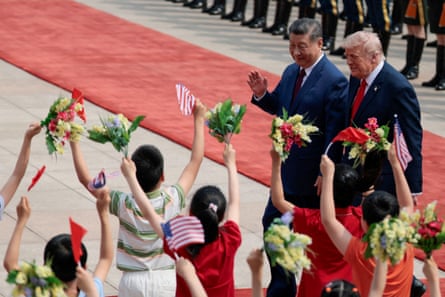
The timing of this summit is particularly significant given the current state of global affairs. With various regional conflicts simmering and economic uncertainty affecting both nations, the opportunity for high-level dialogue cannot be overstated. Trump's willingness to travel to Beijing, rather than insisting on a meeting elsewhere, signals diplomatic flexibility and a genuine commitment to engaging with China on its home turf, a gesture that carries cultural and diplomatic significance in the context of Chinese protocol and face-saving concerns.
Observers and analysts worldwide are closely monitoring the outcomes of these talks, recognizing that US-China relations have profound implications for global stability and economic prosperity. The decisions made during this summit could influence everything from supply chain configurations and technology standards to military posturing and alliance structures throughout the Indo-Pacific region. The international community awaits concrete results and clarity on whether this meeting will produce substantive agreements or merely serve as a diplomatic reset.
Xi Jinping's response to Trump's overtures has been measured but welcoming, acknowledging the importance of the bilateral relationship and expressing interest in productive discussions. The Chinese leader has positioned himself as reasonable and open to dialogue while maintaining firm stances on issues deemed critical to Chinese sovereignty and national interests. This careful diplomatic balancing act reflects the delicate nature of US-China negotiations, where both sides must satisfy domestic constituencies while maintaining international credibility.
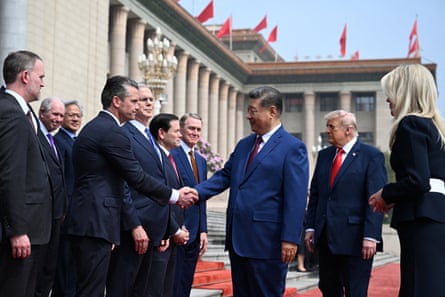
The summit's success will likely be measured not just by formal agreements or joint statements, but by the extent to which both leaders establish or reinforce mechanisms for ongoing dialogue and de-escalation. In an era of intensifying great power competition, the capacity for direct communication at the highest levels remains one of the most valuable assets for managing bilateral relations and preventing miscalculation. The meetings scheduled during Trump's Beijing visit will set the tone for US-China relations in the months and years ahead.
As these diplomatic negotiations unfold, both nations are acutely aware of their competing interests and the challenges inherent in their relationship. However, the fact that both leaders are willing to engage in sustained dialogue offers hope that pragmatic solutions might be found to at least some of the issues dividing them. The coming hours will reveal whether this summit can produce meaningful progress on the economic, security, and technological fronts that dominate contemporary US-China relations.
Source: The Guardian


