
Trump Admin Deletes Critical Data: 5 Ways Americans Suffer

Government data deletion impacts infant mortality, hunger statistics, and public health. Experts warn of generational consequences from erased information.
The Trump administration's recent initiative to remove substantial amounts of government data from public access has sparked significant concern among researchers, public health officials, and policy experts across the nation. This comprehensive data deletion effort targets critical information that has long been instrumental in understanding the health, welfare, and socioeconomic challenges facing millions of Americans. The erasure of these datasets represents an unprecedented action that could fundamentally alter how policymakers, scientists, and the public comprehend the nation's most pressing issues.
Officials have acknowledged that various datasets are being removed from federal databases and online repositories, though the complete scope of the deletion remains unclear. The administration has cited efficiency and budget concerns as justification for this sweeping action, but critics argue the removal of this information undermines transparency and evidence-based decision making. Data preservation experts and institutional researchers have expressed alarm about the irreversibility of some deletions and the potential loss of decades-worth of collected statistics.
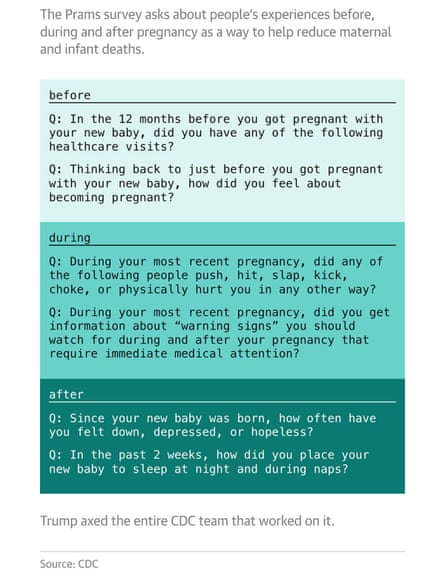
Among the most concerning casualties of this data removal initiative are vital statistics related to maternal and infant health outcomes. The deletion of historical infant mortality data represents a particularly troubling development, as these statistics have been fundamental to public health surveillance for generations. Researchers who study child health disparities warn that losing access to granular mortality data could severely hamper efforts to identify and address inequities in healthcare access and outcomes across different demographic groups and geographic regions.
The infant mortality data erasure is particularly significant because it has enabled health officials to track progress in reducing preventable deaths among newborns and young children. This information has been critical for identifying populations at highest risk, developing targeted interventions, and evaluating the effectiveness of public health programs. Without access to historical trends and comparative data across states and regions, experts fear that policymakers will lack the evidence needed to prioritize resources and implement evidence-based prevention strategies.
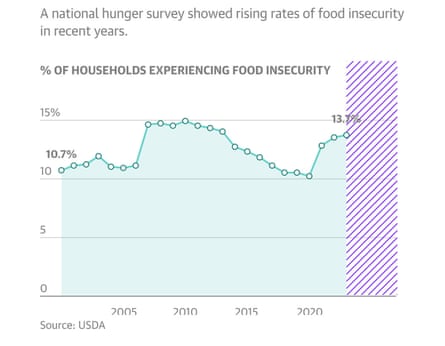
Beyond infant health metrics, the administration's data deletion efforts have also targeted comprehensive information on food insecurity and hunger across the United States. Hunger and food security statistics compiled by federal agencies have long served as crucial indicators of economic hardship and nutritional vulnerability. Nonprofits, academic researchers, and nutrition advocates rely heavily on this data to understand the scope of food insecurity, identify at-risk populations, and advocate for expanded assistance programs like SNAP and school meal initiatives.
The removal of hunger and nutrition data threatens to disrupt ongoing research into the relationship between food insecurity and poor health outcomes. Studies have consistently shown that inadequate nutrition during critical developmental periods can have lasting effects on physical growth, cognitive development, and long-term health status. By eliminating access to comprehensive hunger statistics, the government has effectively blinded researchers and policymakers to a major social indicator that reflects the economic well-being of vulnerable populations.
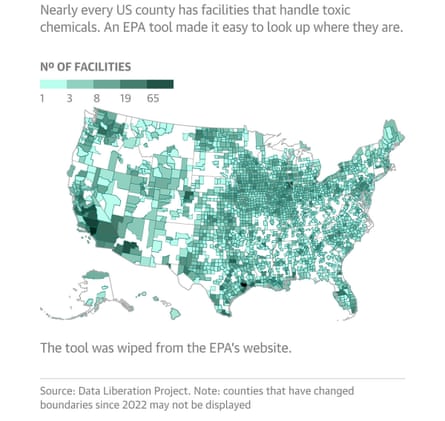
Environmental and climate-related data has also suffered significant deletions under the new administration's directives. Researchers who track air quality, water contamination, and environmental health impacts have reported missing datasets that document pollutant levels and their correlation with disease prevalence. This deletion of environmental health data coincides with reports of reduced oversight of industrial emissions and concerns about gaps in pollution monitoring that could compromise public health surveillance.
The erasure of occupational health and safety statistics represents another consequential data loss affecting American workers. Statistics related to workplace injuries, illnesses, and fatalities provide essential information for regulatory agencies and occupational safety researchers. These datasets have historically enabled identification of dangerous workplace practices and supported the development of safety standards and enforcement priorities. Without access to comprehensive injury and illness data, workplace safety advocates worry that emerging hazards may go undetected and unaddressed.
Public health experts emphasize that the deletion of disease surveillance and epidemiological data poses serious risks to the nation's ability to respond to health threats. Historical data on disease prevalence, geographic distribution, and demographic patterns has been essential for understanding public health trends and preparing for potential outbreaks. The loss of this public health surveillance data undermines the evidence base that epidemiologists and public health officials depend upon for risk assessment and emergency preparedness.
Researchers across multiple disciplines have warned that the consequences of this comprehensive data deletion will extend far into the future. Graduate students and early-career researchers who might have built their careers studying trends in American health, nutrition, and welfare now face unprecedented obstacles in accessing historical information. The loss of longitudinal datasets means that researchers can no longer track how various conditions and challenges have evolved over decades, severely limiting the ability to understand causation and identify effective interventions.
The deletion effort has also raised concerns about the government's institutional memory and the ability of future administrations to reverse course. Unlike data that is simply restricted or embargoed, permanently deleted information cannot be recovered. This irreversibility has prompted calls from the scientific community for emergency data preservation efforts and alternative repositories, though the scope and effectiveness of such efforts remain uncertain. Archive organizations and universities have initiated projects to recover and preserve what data remains accessible through public records before it becomes unavailable.
Legal scholars and government transparency advocates have questioned whether these deletions comply with the Presidential Records Act and other federal laws governing the preservation of government documents. The administration has asserted authority to manage federal datasets according to its policy priorities, but critics argue that scientific data and public health statistics represent a form of government record that should be subject to preservation requirements and proper archival procedures. The legal and administrative questions surrounding the legitimacy of these deletions remain unresolved.
Public health organizations, academic institutions, and research centers are mobilizing to mitigate the damage from these data deletions through various preservation and recovery initiatives. Universities are working to compile datasets from published reports and peer-reviewed literature, though this approach cannot fully recover information that was never formally published. International health organizations and research collaboratives are also exploring whether they can access archived versions of deleted U.S. datasets through their own institutional records and international databases.
The broader implications of this data erasure extend to democratic governance and the public's right to understand how government agencies have been performing. Transparency advocates argue that comprehensive government statistics and data are essential to informed citizenship and democratic accountability. When citizens and elected officials lack access to reliable information about conditions affecting American families, the quality of public debate and policy deliberation inevitably suffers, creating space for misinformation and policy decisions based on ideology rather than evidence.
As the full scope of the data deletion becomes clearer in coming months, additional consequences will likely emerge. Researchers studying long-term health trends, economists analyzing poverty dynamics, and social scientists examining inequality all depend on the comprehensive datasets now being erased. The cumulative effect of these deletions represents an assault on evidence-based policymaking that could harm American families for generations, as future policymakers and researchers lack the historical information needed to understand the roots of contemporary problems and design effective solutions.
Source: The Guardian


